MP High Court orders carpooling, video conferencing to cut fuel use
Synopsis
The Madhya Pradesh High Court has moved beyond symbolic gestures — weeks after a judge cycled to court — and issued a formal, state-wide fuel conservation framework covering every court in MP. Daily fuel monitoring, route-wise transport plans, and video-conferencing mandates signal that this is more than an advisory; it is an institutional policy shift.
Key Takeaways
The Madhya Pradesh High Court issued fuel conservation guidelines on 24 June covering all courts in the state.
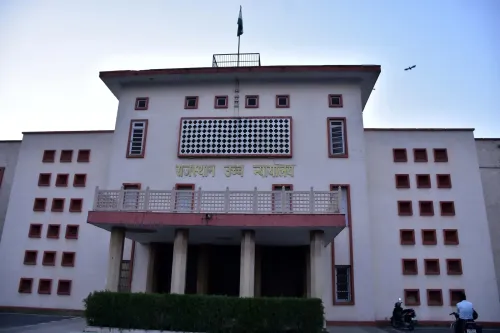
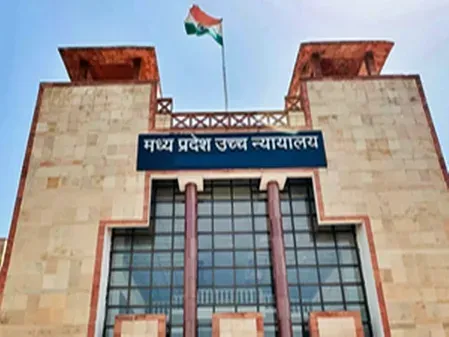
Directives apply to the Principal Seat in Jabalpur and benches at Indore and Gwalior , plus all district and subordinate courts.
Government vehicles will be used only for judicial and administrative purposes; separate vehicles permitted only for emergencies or medical needs.
Lawyers are advised to argue cases via video conferencing ; administrative meetings to shift to virtual platforms.
The Registry has ordered daily monitoring of fuel consumption, with periodic compliance reviews.
The move follows Justice Dwarka Dhish Bansal cycling to court in Jabalpur to promote fuel conservation weeks earlier.
The Madhya Pradesh High Court has issued a comprehensive set of fuel conservation guidelines for the state's entire judicial system, directing judicial officers, court staff, and advocates to adopt vehicle pooling, public transport, and video conferencing without disrupting court proceedings. The directions were issued by the Registrar General on Wednesday, 24 June, under orders of the Acting Chief Justice, and apply across all courts in the state.
Scope of the Guidelines
The directives cover the High Court's Principal Seat in Jabalpur, its benches at Indore and Gwalior, and all district and subordinate courts across Madhya Pradesh. Government vehicles attached to courts will henceforth be used strictly for judicial and administrative purposes, with separate vehicle facilities reserved only for emergencies, security requirements, protocol duties, or medical needs.
Authorities have been asked to prepare route-wise and locality-wise transport plans for officers and staff to optimise vehicle utilisation and reduce unnecessary fuel consumption. Shared transport options — including mini-buses and Traveller vans — have been recommended on high-footfall routes.
Technology as a Travel Substitute
The High Court has placed particular emphasis on leveraging technology to minimise travel. Lawyers have been advised to appear and argue cases through video conferencing wherever feasible. Administrative meetings and official discussions are similarly encouraged to shift to virtual platforms, reducing the need for physical commutes entirely.
To ensure accountability, the Registry has ordered daily monitoring of fuel consumption by official vehicles. Vehicle deployment will be governed by work requirements and priority, with periodic reviews scheduled to assess compliance.
The Initiative Behind the Push
The advisory follows a widely noted gesture by Justice Dwarka Dhish Bansal of the Madhya Pradesh High Court, who travelled to court on a bicycle from his official residence in Jabalpur weeks earlier to promote fuel conservation and environmental awareness. The act drew considerable attention within legal circles and underscored the urgency of reducing fuel dependency in everyday institutional life.
This is the first formal, system-wide fuel conservation framework issued by the Madhya Pradesh High Court, and it signals an institutional shift from individual gestures to structured policy.
Temporary Measure, Long-Term Signal
The High Court has clarified that the arrangement is temporary, introduced as part of efforts to contribute to national fuel conservation. However, the emphasis on daily monitoring, periodic compliance reviews, and route planning suggests the framework could outlast its provisional framing. The court has stated that the measures are designed so that judicial proceedings and administrative functions continue without disruption while promoting efficient use of public resources.
Point of View
Which makes the Madhya Pradesh High Court's move structurally significant. The framework goes beyond an advisory — daily fuel monitoring and route-wise transport planning introduce accountability mechanisms that most government departments lack. The timing, following Justice Bansal's bicycle ride, suggests deliberate institutional signalling: that conservation is not just a personal virtue but an administrative obligation. Whether subordinate courts across a geographically vast state can implement route plans without dedicated support staff remains the practical test this order has not yet answered.
NationPress
24 Jun 2026
Frequently Asked Questions
What fuel conservation measures has the Madhya Pradesh High Court ordered?
The MP High Court has directed judicial officers, court staff, and advocates to adopt vehicle pooling, public transport, two-wheeler pooling, and video conferencing to reduce fuel consumption. The guidelines cover the High Court's Jabalpur seat, its Indore and Gwalior benches, and all district and subordinate courts in the state.
Who does the MP High Court fuel conservation directive apply to?
The directive applies to judicial officers, court staff, and advocates across all courts in Madhya Pradesh, including the Principal Seat at Jabalpur and benches at Indore and Gwalior. Government vehicle use has been restricted to judicial and administrative purposes only.
Why did the Madhya Pradesh High Court issue these guidelines?
The guidelines are part of efforts to contribute to national fuel conservation, according to the court. The initiative follows Justice Dwarka Dhish Bansal cycling to court in Jabalpur weeks earlier to highlight the need for reducing fuel consumption in daily institutional life.
Are the fuel conservation measures permanent?
The High Court has clarified the arrangement is temporary, introduced as a contribution to national fuel conservation goals. However, the inclusion of daily fuel monitoring and periodic compliance reviews suggests the framework may have longer-term implications.
How will compliance with the fuel conservation guidelines be monitored?
The Registry has ordered daily monitoring of fuel consumption by official vehicles. Vehicle deployment will be decided based on work requirements and priority, and periodic reviews will be conducted to assess compliance with the guidelines.