MP Marks 4 Years of Project Cheetah With Giant Human Rangoli
Synopsis
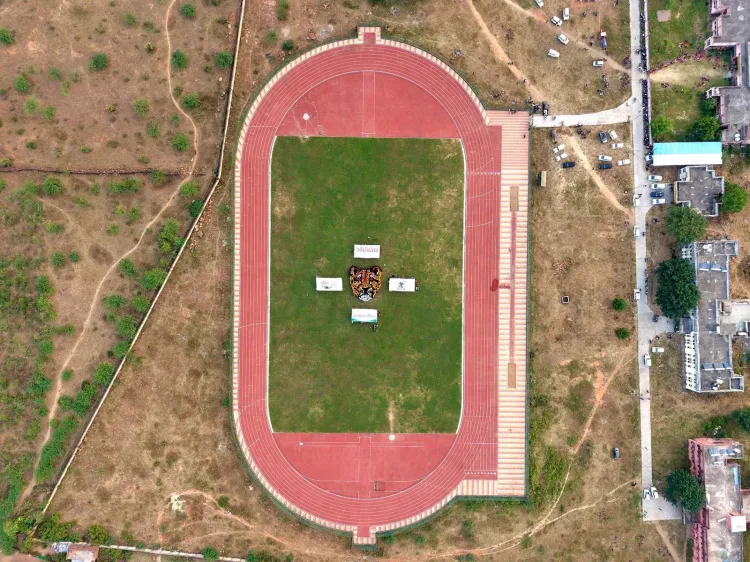
To mark four years of Project Cheetah, over 1,000 women and students in Sheopur, Madhya Pradesh formed a human rangoli of cheetah 'Mukhi', with CM Dr. Mohan Yadav calling it a symbol of nari shakti and community-led wildlife conservation.
Key Takeaways
More than 1,000 women and students in Sheopur created a human rangoli portrait of female cheetah 'Mukhi' on 16 October 2026 .
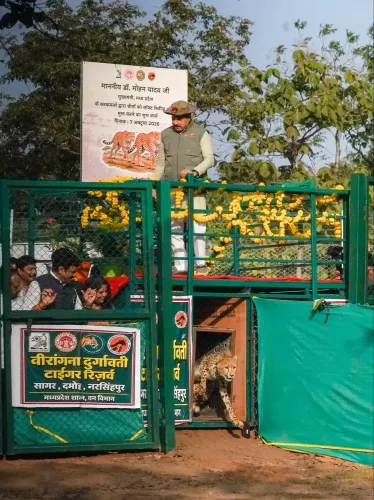
The event marks four years of Project Cheetah, which began with the translocation of African cheetahs from Namibia to Kuno National Park in September 2022 .
The activity was organised under Seva Sankalp Abhiyan , Madhya Pradesh's public-participation service campaign.
Mohan Yadav described the initiative as a symbol of women's power ( nari shakti ) and community commitment to wildlife conservation.
Madhya Pradesh continues to brand itself the 'Cheetah State', pairing species-recovery milestones with grassroots community engagement.
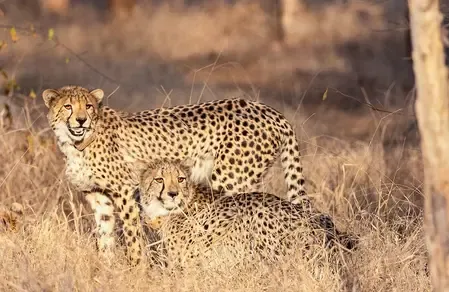
More than 1,000 women and students gathered in Sheopur, Madhya Pradesh, on 16 October 2026 to form a massive human rangoli — a living portrait of Indian female cheetah 'Mukhi' — marking exactly four years since Project Cheetah brought the spotted predator back to Indian soil. The Chief Minister's Office of Madhya Pradesh shared the moment, calling it 'adbhut aur prernadayi' — extraordinary and inspiring.
The post, attributed to Chief Minister Dr. Mohan Yadav, frames the rangoli as far more than spectacle. Organised under the Seva Sankalp Abhiyan — Madhya Pradesh's campaign for public participation in service and conservation — the formation is described as a symbol of 'women's power' (nari shakti) and of the state's commitment to wildlife protection through direct community involvement.
From Namibia to Kuno: Four Years of a Historic Experiment
The clock started in September 2022, when the first batch of African cheetahs from Namibia landed at Kuno National Park in Madhya Pradesh — the culmination of decades of planning to fill an ecological void left since the cheetah was declared extinct in India in 1952. Kuno, a protected reserve in the Sheopur district, was selected as the primary release site for its open grasslands and manageable prey base.
Madhya Pradesh has since leaned hard into its identity as the 'Cheetah State', and the branding is deliberate. State authorities have consistently paired species-recovery milestones with community events — women's self-help groups, school outreach, and now a large-scale human rangoli — to build grassroots investment in a conservation project that ultimately depends on local goodwill to survive.
Nari Shakti at the Heart of Forest Protection
Friday's event places women and young students — not forest officials — at the visual centre of the anniversary. The choice is pointed. Community resentment near protected areas is one of the most persistent threats to large-predator reintroduction programmes worldwide; countering it requires exactly the kind of emotional ownership that a thousand women spelling out a cheetah's name in colour and bodies can create.
The CM's post closes with a collective call: 'Aaiye, hum sabhi prakriti evam vanyajiyon ke sanrakshan ka sankalp lein' — 'Come, let us all take a pledge to protect nature and wildlife.' The language is aspirational and inclusive, consistent with the Seva Sankalp Abhiyan's broader framing of conservation as civic duty rather than state mandate.
With cheetah breeding progress and the question of additional release sites beyond Kuno still unresolved, Friday's show of public solidarity offers the project something equally important — momentum and memory.
Point of View
The state government ties wildlife conservation to the Seva Sankalp Abhiyan's broader civic-service narrative, reinforcing local ownership in a district directly adjacent to Kuno. This approach mirrors global best practice: large-predator reintroductions fail most often not from ecological mismatch but from community alienation. Whether the emotional investment built through events like Friday's rangoli translates into reduced human-wildlife conflict near Kuno will be the real test of this strategy.
NationPress
16 Oct 2026
Frequently Asked Questions
What is Project Cheetah in India?
Project Cheetah is India's programme to reintroduce cheetahs — extinct in the country since 1952 — by translocating African cheetahs to Kuno National Park in Madhya Pradesh, starting in September 2022.
Where is Kuno National Park located?
Kuno National Park is located in Sheopur district, Madhya Pradesh, and was chosen as the primary site for cheetah reintroduction under Project Cheetah.
What happened at Sheopur on 16 October 2026 for Project Cheetah?
More than 1,000 women and students in Sheopur created a human rangoli depicting Indian female cheetah 'Mukhi' to mark four years of Project Cheetah, organised under the Seva Sankalp Abhiyan.
What is Seva Sankalp Abhiyan in Madhya Pradesh?
Seva Sankalp Abhiyan is a Madhya Pradesh government campaign that encourages public participation in service and conservation activities, under which community events linked to wildlife protection are organised.
Why is Madhya Pradesh called the Cheetah State?
Madhya Pradesh earned the 'Cheetah State' branding because Kuno National Park within its borders is the primary site of India's historic cheetah reintroduction programme, launched in September 2022.