MP Urban Growth Conclave 2.0 Set for Indore on Oct 28

Synopsis
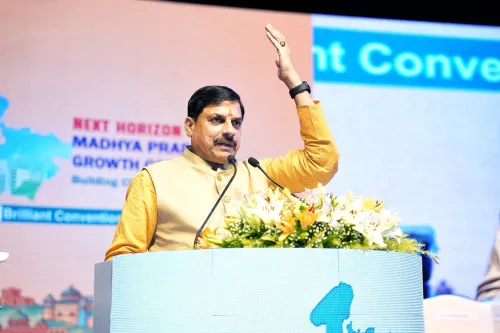
The Chief Minister's Office of Madhya Pradesh has announced the Madhya Pradesh Urban Growth Conclave 2.0 on 28 October 2026 at Brilliant Convention Center, Indore, aiming to attract investment and accelerate urban infrastructure development across the state.
Key Takeaways
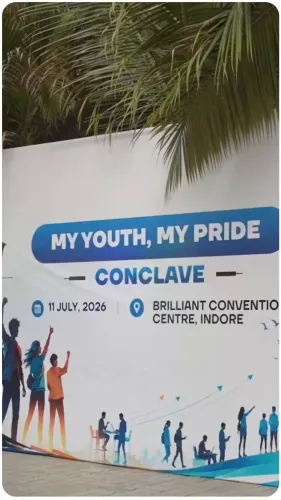
The Madhya Pradesh Urban Growth Conclave 2.0 is scheduled for 28 October 2026 at the Brilliant Convention Center, Indore .
The event is tagged to Chief Minister Dr.
Mohan Yadav and announced via the official Chief Minister's Office X account.
The conclave targets three goals: new direction for urban development, faster modern infrastructure, and fresh investment opportunities.
Registration is open at ugconclave.mp.gov.in .
Indore — MP's largest city and a Smart Cities Mission beneficiary since 2015 — is the host city, reinforcing its role as the state's urban showcase.
The '2.0' designation indicates a prior edition, signalling an established and iterative initiative rather than a one-off event.
Madhya Pradesh is pitching itself as the next frontier for urban investment — and it wants builders, planners, and capital to show up in person. The Chief Minister's Office of Madhya Pradesh announced on Wednesday, 14 October 2026 that the state will host the Madhya Pradesh Urban Growth Conclave 2.0 at the Brilliant Convention Center, Indore on 28 October 2026, inviting stakeholders to register at the official portal ugconclave.mp.gov.in.
The post, tagged to Chief Minister Dr. Mohan Yadav, frames the event around three explicit goals: giving urban development a new direction (नई दिशा), accelerating modern infrastructure (आधुनिक अधोसंरचना को नई गति), and opening fresh avenues for investment (निवेश को नए अवसर). Short, purposeful, and pointed — the pitch is classic investment-conclave language, but the venue choice is telling.
Why Indore, and why it matters
Indore is Madhya Pradesh's largest city and its commercial engine — a tier-2 hub that has punched well above its weight in national urban-governance rankings, including years of recognition under India's cleanliness surveys. Hosting the conclave here is not accidental. The city already anchors the state's urban-modernisation narrative, and the Brilliant Convention Center has become the go-to stage for high-profile government summits in the region.
The policy backdrop stretches back to 2015, when the Government of India's Smart Cities Mission included Indore among its selected cities for integrated infrastructure and governance upgrades. That national push gave Madhya Pradesh both the framework and the credibility to court private capital — and Indore became the proof of concept the state returns to whenever it needs to make the case for investment readiness.
The '2.0' signal and what follows
The '2.0' designation matters. It signals that this is not a debut exercise — a prior edition laid the groundwork, and the state is now building on whatever commitments or frameworks that earlier conclave produced. The format itself — a sector-specific, state-organised conclave — mirrors playbooks run by several other Indian states seeking to attract domestic and foreign capital into their urban corridors.
Urban investors, municipal bodies, and real estate developers are the primary audience. The eyes of infrastructure watchers will be on what investment commitments, project announcements, or policy frameworks emerge from the 28 October gathering — and whether subsequent state budget allocations or tender releases for urban projects follow in its wake.
Madhya Pradesh has positioned its conclaves as conversion engines, not just showcases. The question after Conclave 2.0 will be the same one it always is: how much of the room's enthusiasm gets translated into ground broken.
Point of View
This mirrors a broader pattern of state governments filling the execution gap between central-scheme ambition and on-ground delivery. The real test of Conclave 2.0 will be whether investment announcements made on 28 October translate into bankable projects by the next budget cycle.
NationPress
14 Oct 2026
Frequently Asked Questions
What is the Madhya Pradesh Urban Growth Conclave 2.0?
It is a state-organised conclave focused on urban development strategies, modern infrastructure, and investment opportunities in Madhya Pradesh, scheduled for 28 October 2026 in Indore.
Where and when is the MP Urban Growth Conclave 2.0 being held?
The conclave will be held on 28 October 2026 at the Brilliant Convention Center in Indore, Madhya Pradesh.
How can I register for the MP Urban Growth Conclave 2.0?
Registration is available online at the official portal ugconclave.mp.gov.in, as announced by the Chief Minister's Office.
Who is the Chief Minister of Madhya Pradesh organising this conclave?
Dr. Mohan Yadav is the Chief Minister of Madhya Pradesh and is tagged in the official announcement for the Urban Growth Conclave 2.0.
Why is Indore chosen for urban development conclaves in Madhya Pradesh?
Indore is Madhya Pradesh's largest city and a key commercial hub, recognised for high urban-governance standards and selected under India's Smart Cities Mission in 2015, making it the state's flagship urban showcase.