CM Rekha Gupta Approves Delhi Industrial Policy 2026
Synopsis
The Delhi Cabinet, led by Chief Minister Rekha Gupta, has approved the Delhi Industrial Policy 2026, committing ₹1,000 crore over five years under the Mukhya Mantri Udyamshree Yojana to boost MSMEs, attract IT and data centre investment, support women entrepreneurs, and streamline approvals via the Invest Delhi platform.
Key Takeaways
The Delhi Cabinet approved the Delhi Industrial Policy 2026 on 14 October 2026 . ₹1,000 crore will be spent over five years under the Mukhya Mantri Udyamshree Yojana .
Priority sectors include IT, data centres, healthcare, and advanced technology industries .
MSMEs will receive support for machinery upgrades, technology adoption, and business scaling.
Women entrepreneurs get additional incentives to start and grow businesses.
The 'Invest Delhi' single-window platform will consolidate approvals and government assistance for new businesses.
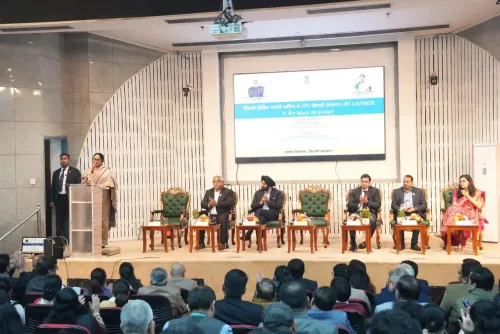
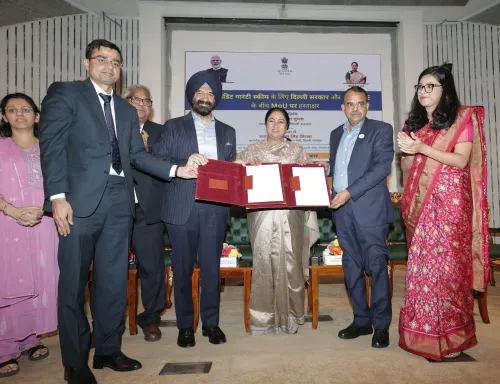
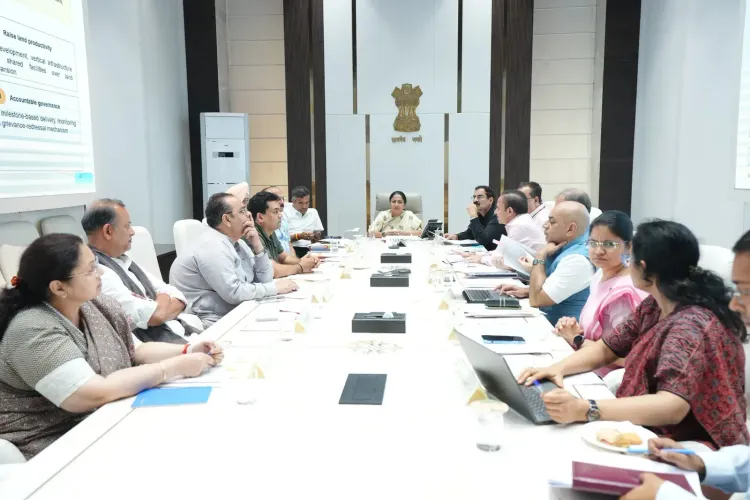
Delhi just drew a new industrial map. Delhi Chief Minister Rekha Gupta announced on Wednesday, 14 October 2026 that the Delhi Cabinet has approved the Delhi Industrial Policy 2026 — a sweeping framework that earmarks ₹1,000 crore over the next five years under the Mukhya Mantri Udyamshree Yojana to reshape the capital's economic identity.
₹1,000 Crore Bet on Delhi's Next Industrial Chapter
The approved policy channels dedicated funding toward four high-priority sectors: IT, data centres, healthcare, and advanced technology industries. These are not sectors Delhi has historically dominated — which is precisely the point. The policy signals a deliberate pivot away from legacy manufacturing toward cleaner, higher-value industries that align with the capital's urban profile and skilled workforce.
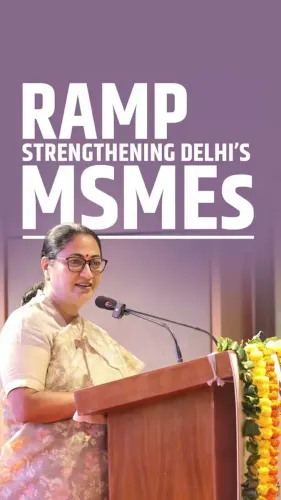
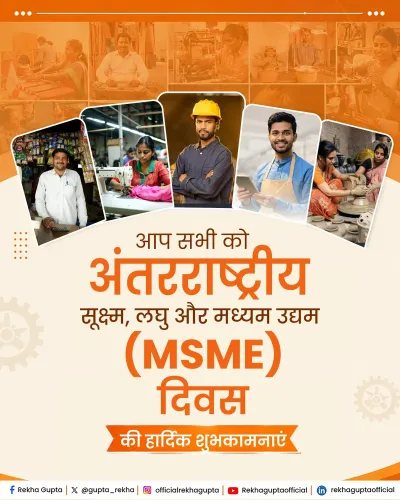
For small and medium enterprises (MSMEs) — the backbone of Delhi's existing industrial ecosystem — the policy promises support for machinery upgrades, technology adoption, and business scaling. That combination targets a persistent gap: MSMEs with the appetite to grow but without the capital or technical hand-holding to do so.
Women Entrepreneurs and the Single-Window Push
Two features of the policy stand out beyond the headline number. First, women entrepreneurs are carved out as a priority category, with additional incentives for both starting and expanding businesses — a recognition that the gender gap in enterprise ownership remains wide in Delhi's industrial districts.
Second, the government is doubling down on 'Invest Delhi', a single-window platform designed to consolidate the approvals and government assistance a new business needs into one interface. Fragmented clearances have long been cited as a friction point for investors. A functional single-window system, if delivered, removes one of the most cited barriers to setting up in the capital.
The Broader Employment Promise
CM Gupta framed the policy's ultimate test in plain terms: 'dilli mein karobaar karna aasan ho, hamaare yuvaon ko achhe rozgaar milein' — making business easier in Delhi and generating quality jobs for its youth. Delhi's youth unemployment has been a pressure point across successive administrations. Attracting new industries while simultaneously strengthening existing MSMEs is the two-track strategy the policy bets on to move that needle.
The policy also carries a branding ambition — positioning Delhi as a major hub for clean, modern, technology-driven industries under the #ViksitDelhi vision. Whether that vision materialises will depend on rollout timelines, actual budget utilisation, and how quickly incentive guidelines reach the businesses they are meant to serve. The cabinet approval is the starting gun — the race is just beginning.
Point of View
000 crore Mukhya Mantri Udyamshree Yojana is significant in scale for a city-state, but the real test will be whether the Invest Delhi single-window mechanism can cut through Delhi's historically complex regulatory layers. If it does, this policy could become a model; if it stalls in implementation, the political cost for CM Gupta will be equally visible.
NationPress
14 Oct 2026
Frequently Asked Questions
What is the Delhi Industrial Policy 2026?
The Delhi Industrial Policy 2026 is a framework approved by the Delhi Cabinet on 14 October 2026 that outlines investment priorities, incentives for MSMEs and women entrepreneurs, and sector-specific support for IT, data centres, healthcare, and advanced technology industries in Delhi.
What is Mukhya Mantri Udyamshree Yojana?
Mukhya Mantri Udyamshree Yojana is a Delhi government scheme focused on entrepreneur support and MSME development. Under the Delhi Industrial Policy 2026, ₹1,000 crore has been earmarked for this scheme over the next five years.
How much money has Delhi allocated under the new industrial policy?
The Delhi Cabinet has allocated ₹1,000 crore to be spent over five years under the Mukhya Mantri Udyamshree Yojana as part of the Delhi Industrial Policy 2026.
What is Invest Delhi and how does it help businesses?
Invest Delhi is a single-window platform that consolidates the approvals, clearances, and government assistance required to start or expand a business in Delhi, reducing the friction of dealing with multiple departments separately.
What benefits does the Delhi Industrial Policy 2026 offer to women entrepreneurs?
The policy provides additional incentives specifically for women entrepreneurs to start new businesses and scale existing ones, recognising the persistent gender gap in business ownership within Delhi's industrial sectors.