MP govt earmarks ₹225 crore for 100 former Naxal-hit villages in Balaghat
Synopsis
Months after declaring Naxalism eliminated, Madhya Pradesh is putting ₹225 crore on the line for 100 once-insurgency-hit villages in Balaghat — prioritising the Baiga PVTG community and betting that roads, water and livelihood schemes can achieve what years of security operations could not: lasting mainstreaming.
Key Takeaways
Madhya Pradesh has earmarked ₹225 crore for development works across 100 former Naxal-affected villages in Balaghat district .
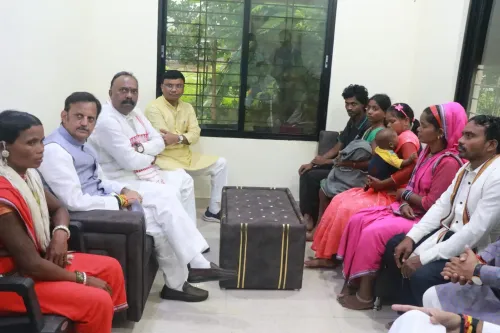
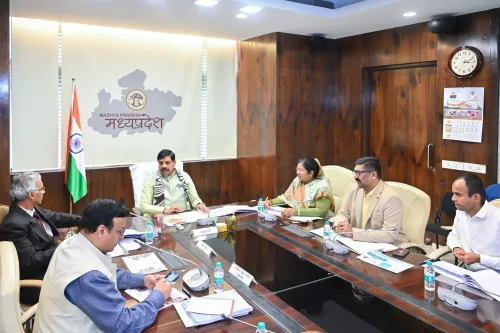
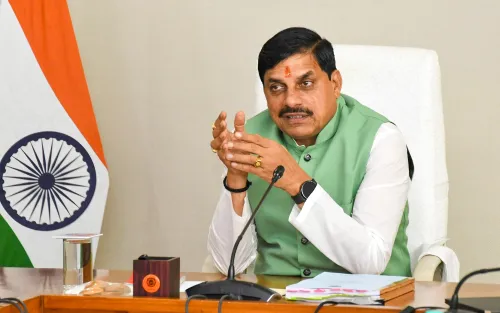
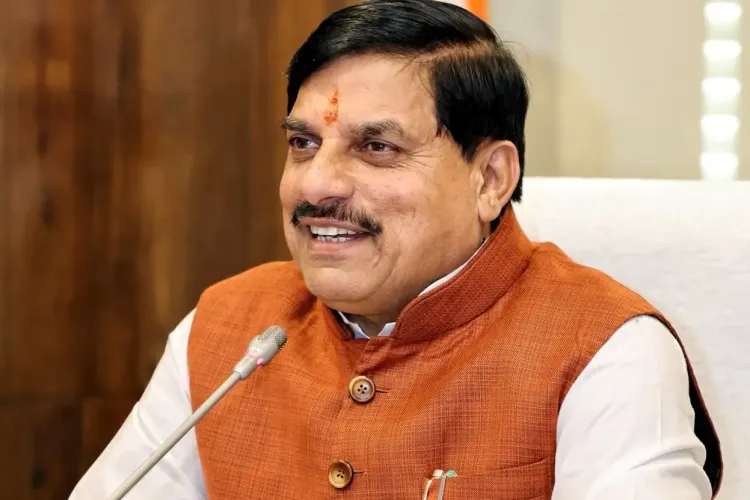
Chief Minister Mohan Yadav announced the package on 29 August during a visit to tribal areas of Balaghat, with a special focus on the Baiga Particularly Vulnerable Tribal Group.
Priorities include roads, irrigation, drinking water, electricity, education, healthcare, and livelihood activities such as agriculture, horticulture, and fisheries.
Field teams visited villages across five development blocks on 26 October to assess needs; all 100 villages must be covered within 14 days .
The initiative follows the state government's declaration that Naxalism has been eliminated from Madhya Pradesh.
The Madhya Pradesh government is rolling out a ₹225 crore development package for 100 villages in Balaghat district that were once affected by Naxalism, targeting infrastructure expansion and livelihood creation, according to a state government statement issued on Tuesday, 27 October 2026. The initiative marks one of the most substantial post-Naxal rehabilitation efforts in the state's recent history.
The Plan and Its Priorities
Chief Minister Mohan Yadav had announced the ₹225 crore package on 29 August during a visit to tribal-dominated areas of Balaghat, with particular emphasis on the Baiga community — a Particularly Vulnerable Tribal Group (PVTG). The development blueprint will prioritise roads, irrigation, drinking water, electricity, education, and healthcare facilities across the identified villages.
Beyond infrastructure, the plan targets livelihood generation through agriculture, horticulture, animal husbandry, fisheries, and forest produce-based activities. Development works will draw from the earmarked funds as well as allocations under various state departmental schemes.
On-Ground Assessment Under Way
The district administration has directed officials from multiple departments to visit all 100 villages within 14 days, interact with residents, and prepare proposals based on localised needs. The villages have been clustered, with departmental teams assigned to assess infrastructure gaps and map employment opportunities in each cluster.
On 26 October, field teams visited villages across five development blocks: Kattipar, Satona, Bargud, and Devarbeli in Lanji block; Dadekasa, Bilalkasa, and Songudda in Birsa block; Lud, Hirri, Bharri, Sonpuri, and Bithli in Baihar block; Chalisbodi and Mohanpur in Paraswada block; and Sitapar and Borvan in Kirnapur block.
Officials gathered data on the availability of basic facilities and discussed pathways to strengthen agriculture, livestock rearing, fisheries, and forest-based livelihoods. The information collected will feed into village-specific priority lists and infrastructure proposals.
Context: Post-Naxal Mainstreaming
This initiative follows the Madhya Pradesh government's declaration that Naxalism had been eliminated from the state earlier last year — a claim that places added responsibility on the administration to demonstrate tangible gains for communities that lived under insurgency-related disruption for decades. Notably, Balaghat was among the most severely affected districts in central India, with the Baiga PVTG particularly marginalised from mainstream development delivery.
The exercise also signals a broader shift in approach: moving from security-led operations to development-led consolidation, a pattern seen in post-Naxal strategies across Chhattisgarh and Jharkhand as well.
What Comes Next
All departmental teams are required to complete their village-level assessments within 14 days, after which proposals will be compiled and prioritised for funding. The administration has indicated that projects will be executed through a combination of the dedicated ₹225 crore corpus and convergence with existing departmental scheme allocations, aiming to accelerate delivery without duplication.
Point of View
But the harder question is whether the delivery architecture can match the ambition. Post-conflict development in former Naxal zones has historically suffered from departmental silos, poor last-mile connectivity, and schemes that bypass PVTGs like the Baiga community. The 14-day assessment window is tight for 100 villages spread across five blocks, raising questions about the depth of community consultation versus box-ticking. Madhya Pradesh's declaration of Naxalism's elimination creates a political imperative to show results — but durable mainstreaming requires sustained investment over years, not a single package announcement.
NationPress
28 Oct 2026
Frequently Asked Questions
What is the ₹225 crore development plan for Balaghat's former Naxal-affected villages?
It is a state government initiative to fund infrastructure and livelihood projects across 100 villages in Balaghat district, Madhya Pradesh, that were previously affected by Naxalism. The ₹225 crore package was announced by Chief Minister Mohan Yadav on 29 August and covers roads, drinking water, irrigation, electricity, education, healthcare, and livelihood activities.
Which community is the Balaghat development package specially focused on?
The plan places special emphasis on the Baiga community, classified as a Particularly Vulnerable Tribal Group (PVTG). The Baiga are among the most marginalised tribal groups in central India, historically underserved by mainstream development schemes.
How will the assessment of village needs be carried out?
Officials from multiple departments have been directed to visit all 100 villages within 14 days, interact with residents, and prepare village-specific proposals. Field teams began visits on 26 October across five development blocks in Balaghat.
Why is this plan significant for Madhya Pradesh?
The initiative comes after the Madhya Pradesh government declared Naxalism eliminated from the state last year. The development package represents an attempt to translate security gains into lasting economic and social mainstreaming for communities that bore the brunt of insurgency-related disruption for decades.
How will the ₹225 crore scheme be funded and implemented?
Development works will be financed through the dedicated ₹225 crore corpus as well as allocations under various state departmental schemes, with convergence of funds to avoid duplication. Proposals will be prepared after the 14-day on-ground assessment and then prioritised for execution.