Ek Bagiya Maa Ke Naam: MP scheme turns women farmers into earners
Synopsis
A quiet but consequential scheme in Madhya Pradesh is handing rural women orchards — not just subsidies. Ek Bagiya Maa Ke Naam layers fruit-tree income on top of existing crops, backed by three years of MGNREGA wages, with early beneficiaries in Neemuch already reporting fruit yields and improved household earnings.
Key Takeaways
Ek Bagiya Maa Ke Naam was launched under NRLM in financial year 2025–26 across Madhya Pradesh's development blocks.
Each block selects 100 beneficiaries — women owning at least two bighas of irrigated land, identified through Self-Help Groups.
Beneficiaries receive fruit saplings ( mango, orange, pomegranate ), wire fencing, and MGNREGA wages for three years .
Existing crops like wheat and soybean can continue alongside the orchard, reducing income disruption.
Early cohorts in Neemuch district report trees bearing fruit after approximately three years, with household incomes rising.
The scheme is positioned as a delivery vehicle for the Centre's Lakhpati Didi target for rural women.
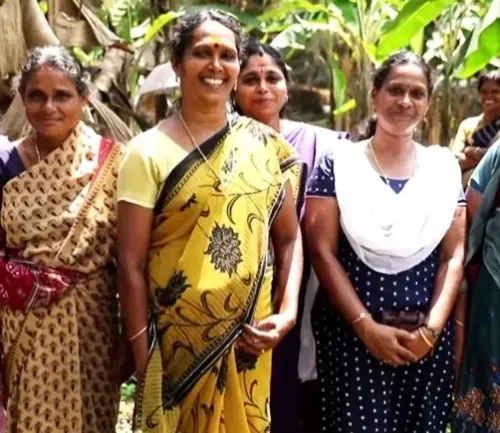
The Ek Bagiya Maa Ke Naam scheme in Madhya Pradesh is reshaping the economic lives of rural women farmers, providing them with orchards, fencing support, and multi-year wages to build a lasting source of income. Launched under the National Rural Livelihood Mission (NRLM) during financial year 2025–26, the initiative is active across development blocks in the state, including Neemuch district.
How the Scheme Works
Under the programme, 100 beneficiaries are selected per development block — women who own at least two bighas of land with adequate irrigation. Selection is channelled through Self-Help Groups (SHGs), Village Organisations, and Cluster Level Federations, ensuring community-rooted outreach.
Through a convergence of NRLM and MGNREGA, each beneficiary receives fruit-bearing saplings — including mango, orange, and pomegranate — along with wire fencing and MGNREGA wages for three years. Critically, beneficiaries can continue cultivating food crops such as wheat and soybean alongside the orchard, preserving their existing income while building a new one.
What Officials Said
Rajendra Kumar Chauhan, block manager in Neemuch district, confirmed that all 100 beneficiaries in the district have been selected. He noted that after approximately three years, fruit production is designed to become a permanent, self-sustaining income source for each household.
Chauhan also underlined the scheme's alignment with the Centre's broader welfare agenda. 'It is playing an important role in realising Prime Minister Narendra Modi's vision of creating Lakhpati Didis,' he said, referring to the national target of making rural women self-help group members earn at least ₹1 lakh annually.
Voices from the Field
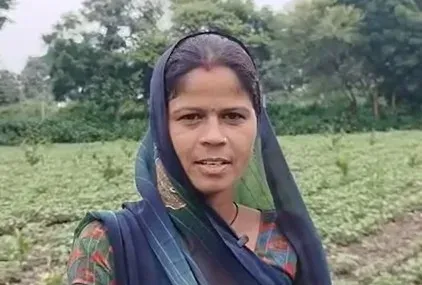
Tina Meghwal, a beneficiary farmer from Banskheda village in Neemuch, said her SHG — the Tejaji Maharaj Swayam Sahayata Samuh — was guided by a Krishi Sakhi named Sangeeta Didi to plant and maintain the saplings. 'It has now been about three years since we planted the saplings of the orchard, and the trees have started bearing fruit,' she said, adding that her household income has improved and MGNREGA wages continue to supplement earnings.
Another beneficiary, who has been part of the scheme for roughly one year, described the support as comprehensive. 'I received funds for wire fencing as well as wages, and I will continue to receive wages for three years,' she said. 'This is a very good scheme and provides great benefits from the government.'
Broader Significance
The scheme is notable for its dual-track design: it does not displace existing farming activity but layers orchard income on top of it, reducing transition risk for smallholders. This comes amid a national push to strengthen rural women's economic participation through SHG-linked programmes. Notably, the Krishi Sakhi model — trained women agricultural extension workers embedded in communities — is central to on-ground delivery, bridging the gap between government support and actual adoption.
With fruit trees beginning to bear produce in the scheme's early cohorts, the coming years will test whether the model can deliver the sustained income gains it promises at scale across Madhya Pradesh's rural blocks.
Point of View
Which is precisely where similar programmes have historically lost participants. The real accountability question is whether the 100-per-block selection target holds across all of Madhya Pradesh's development blocks, or whether Neemuch is an outlier showcase. Scale and independent income verification will determine if this becomes a genuine Lakhpati Didi pathway or another well-intentioned pilot that stalls at district level.
NationPress
14 Sept 2026
Frequently Asked Questions
What is the Ek Bagiya Maa Ke Naam scheme in Madhya Pradesh?
Ek Bagiya Maa Ke Naam is a state initiative launched under the National Rural Livelihood Mission (NRLM) in financial year 2025–26 to help rural women farmers build orchard-based income. It provides fruit-bearing saplings, wire fencing, and MGNREGA wages for three years to 100 selected women per development block who own at least two bighas of irrigated land.
Who is eligible for the Ek Bagiya Maa Ke Naam scheme?
Women farmers who own at least two bighas of land with adequate irrigation facilities are eligible. Beneficiaries are selected through Self-Help Groups, Village Organisations, and Cluster Level Federations operating under the NRLM framework.
What support do beneficiaries receive under the scheme?
Beneficiaries receive fruit-bearing saplings of mango, orange, and pomegranate, funds for wire fencing, and MGNREGA wages for three years. They can also continue growing existing crops such as wheat and soybean alongside the new orchard.
How does the scheme connect to the Lakhpati Didi initiative?
Officials say the scheme is designed to help rural women SHG members achieve annual earnings of at least ₹1 lakh — the benchmark of the Centre's Lakhpati Didi programme — by creating a permanent fruit-production income stream after approximately three years.
Have beneficiaries seen results from the scheme so far?
Early beneficiaries in Neemuch district, including farmer Tina Meghwal of Banskheda village, report that orchards planted roughly three years ago have begun bearing fruit and household incomes have improved. More recent participants, about one year into the scheme, are still in the wage-supported growth phase.