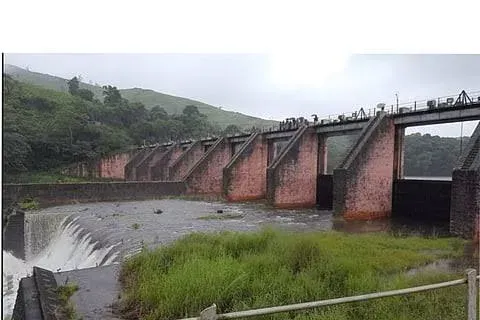
Mullaperiyar dam row: Kerala offers full cost of new dam, Tamil Nadu holds firm at 152 feet
Synopsis
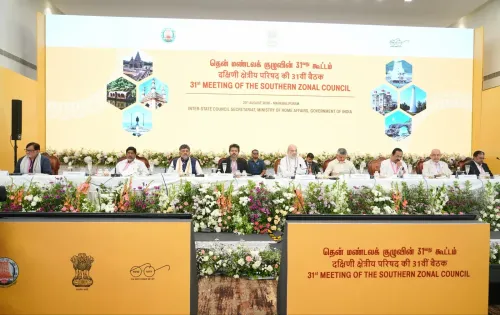
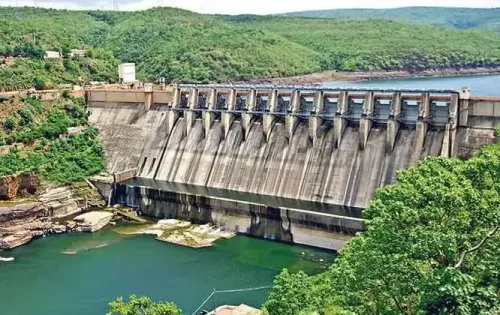
Kerala put its most generous offer yet on the table — full funding for a new Mullaperiyar dam, with Tamil Nadu even getting to pick the site. Tamil Nadu didn't blink. The 20 August Southern Zonal Council meeting in Mahabalipuram, chaired by Home Minister Amit Shah, ended with the same unbridgeable gap: Kerala wants a new dam, Tamil Nadu wants 152 feet in the old one.
Key Takeaways
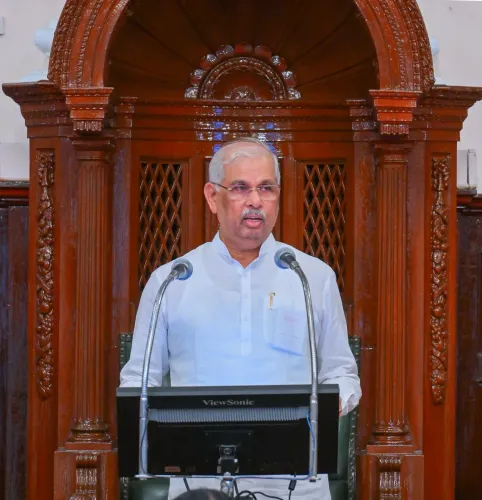
Satheesan offered to bear the entire cost of a new Mullaperiyar dam at the 31st Southern Zonal Council meeting on 20 August .
Kerala also offered Tamil Nadu the right to choose the location of the proposed new structure.
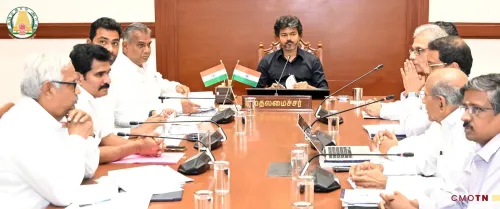
Joseph Vijay demanded the existing reservoir's water level be raised to 152 feet , reiterating the state's long-held position.
The meeting was chaired by Union Home Minister Amit Shah in Mahabalipuram, Tamil Nadu .
The dispute has persisted through decades of negotiations, legal proceedings, and high-level interventions without resolution.
The decades-old Mullaperiyar dam dispute between Kerala and Tamil Nadu deepened on Thursday, 20 August, even as Kerala made a significant financial concession at the 31st Southern Zonal Council meeting in Mahabalipuram — offering to bear the entire cost of constructing a new dam. Tamil Nadu, however, showed no movement from its entrenched position, with its Chief Minister demanding that the water level in the existing reservoir be raised to 152 feet.
Kerala's Offer at the Zonal Council
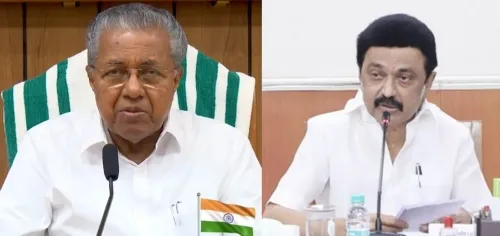
Addressing the meeting chaired by Union Home Minister Amit Shah, Kerala Chief Minister V.D. Satheesan argued that a new dam at Mullaperiyar was essential on grounds of public safety. In what Kerala described as a major concession, Satheesan stated that the state was prepared to meet the full financial cost of the new structure. Kerala further indicated it would allow Tamil Nadu to choose the location of the proposed dam — a direct attempt to neutralise one of Tamil Nadu's longstanding practical objections to any replacement project.
Tamil Nadu's Counter-Position
Tamil Nadu Chief Minister C. Joseph Vijay reiterated his state's established demand: raising the storage level of the existing Mullaperiyar reservoir to 152 feet. Tamil Nadu has consistently maintained that the current dam is structurally sound and safe, and has opposed Kerala's push for a replacement. The 20 August meeting produced no convergence between the two positions, underscoring how entrenched the dispute has become.
The Core Divide
The fundamental disagreement centres on safety versus water security. Kerala's argument rests on the risk to populations living downstream of the ageing structure, which it says is no longer fit for long-term use. Tamil Nadu's concern is agricultural — a higher water level in the existing reservoir translates directly into irrigation access for farmers in its southern districts who depend on Mullaperiyar waters. These competing imperatives have resisted resolution through prolonged negotiations, multiple legal battles, and repeated interventions at the national level.
Significance of the Latest Exchange
This comes amid a history of failed attempts to break the impasse. Kerala's willingness to absorb the full financial burden of a new dam, and to cede location-selection rights to Tamil Nadu, could potentially remove some practical barriers to a replacement project. Notably, this is one of the more substantive concessions Kerala has placed on the table in recent years. Yet Tamil Nadu's renewed insistence on the 152-foot water level signals that the core dispute remains unresolved, and that financial offers alone are unlikely to bridge the divide. The Southern Zonal Council meeting, presided over by the Home Minister, was the latest high-level forum to leave the issue without a breakthrough. How the Centre chooses to engage — or not — with the stalemate going forward will be closely watched by both states.
Point of View
With downstream safety and upstream water security each carrying electoral weight that neither government can easily trade away. The Southern Zonal Council format, useful for routine inter-state coordination, has repeatedly proven inadequate for a conflict this entrenched. Until the Centre moves from presiding over the conversation to actively arbitrating it — with a binding framework — the Mullaperiyar file will keep returning to the same table with the same outcome.
NationPress
5 Oct 2026
Frequently Asked Questions
What is the Mullaperiyar dam dispute between Kerala and Tamil Nadu?
The Mullaperiyar dispute is a long-running inter-state conflict over the safety and water storage level of the Mullaperiyar dam, located in Kerala but operated by Tamil Nadu for irrigation. Kerala argues the ageing structure poses a safety risk to downstream populations and wants it replaced; Tamil Nadu maintains the dam is safe and wants its water storage level raised to 152 feet.
What new offer did Kerala make at the Southern Zonal Council meeting?
Kerala Chief Minister V.D. Satheesan offered to bear the full cost of constructing a new Mullaperiyar dam and said Tamil Nadu could choose the location of the new structure. The offer was presented as a major concession aimed at breaking the long-standing deadlock.
What is Tamil Nadu's position on the Mullaperiyar dam?
Tamil Nadu has consistently maintained that the existing Mullaperiyar dam is structurally safe and has opposed its replacement. At the 20 August meeting, Tamil Nadu Chief Minister C. Joseph Vijay demanded that the water level in the existing reservoir be raised to 152 feet to secure greater irrigation access for the state's farmers.
Who chaired the 31st Southern Zonal Council meeting?
Union Home Minister Amit Shah chaired the 31st Southern Zonal Council meeting, held on 20 August in Mahabalipuram, Tamil Nadu. The Mullaperiyar dispute was among the inter-state issues raised at the session.
Has the Mullaperiyar dispute been resolved?
No. The dispute remains unresolved despite decades of negotiations, legal battles, and repeated high-level interventions. The 20 August meeting produced no breakthrough, with both states maintaining their opposing positions.