Mullaperiyar dam row: Governor Arlekar reads out two conflicting state positions
Synopsis
The same Governor read out two opposing state positions on the same dam — on the same day. Governor Arlekar's dual charge of Kerala and Tamil Nadu collided in full public view when he delivered the TVK government's policy address rejecting a new Mullaperiyar dam, a position that directly contradicts Kerala's long-standing demand. It is a constitutional oddity that cuts to the heart of India's unresolved inter-state water disputes.
Key Takeaways
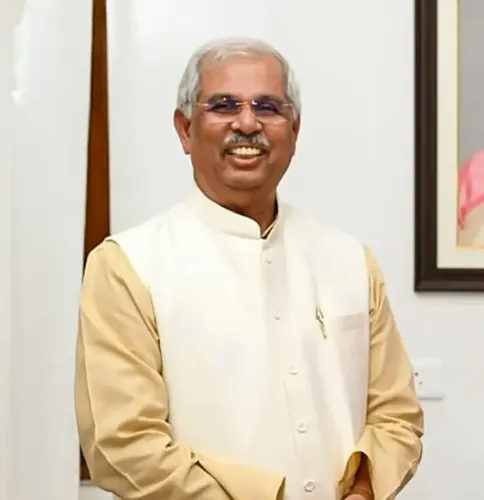
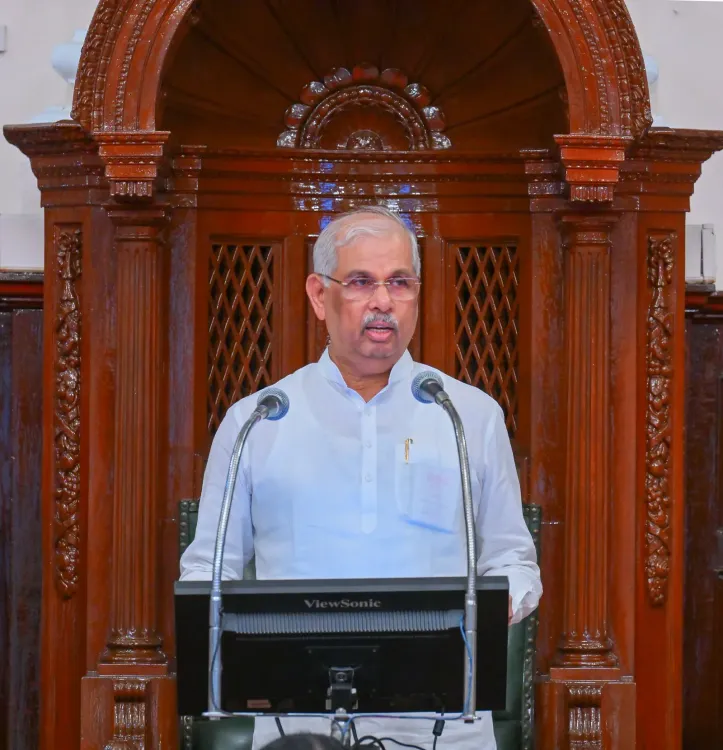
Governor Rajendra Vishwanath Arlekar read out the TVK government's policy address in the Tamil Nadu Assembly on 18 June , opposing a new Mullaperiyar dam .
Arlekar simultaneously holds charge as Kerala's Governor , a state that has long demanded the construction of a new dam on safety grounds.
The Tamil Nadu policy statement declared the existing dam safe and vowed legal and political resistance to any replacement.
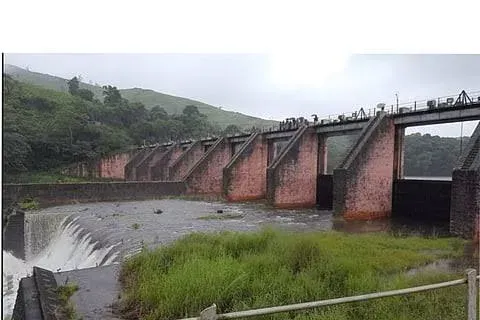
The Mullaperiyar dam , built in 1895 , is operated by Tamil Nadu but sits on Kerala territory under a lease agreement.
The TVK government's stance confirms that the change of political leadership in Tamil Nadu has not shifted the state's position on the dispute.
The episode raises questions about the structural challenges of a single Governor holding charge of two states in active inter-state conflict.
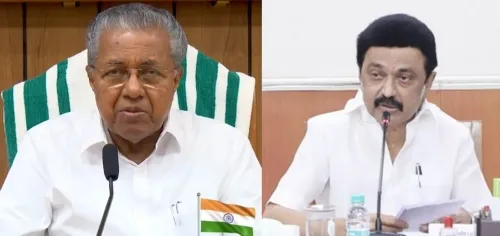
An extraordinary constitutional moment played out in Tamil Nadu on Thursday, 18 June, when Kerala Governor Rajendra Vishwanath Arlekar — simultaneously holding additional charge as Tamil Nadu's Governor — read out the newly elected TVK government's policy address in the Tamil Nadu Assembly, firmly opposing any move to build a new Mullaperiyar dam. The development has sharpened the spotlight on the rare and awkward position of a single constitutional functionary representing two neighbouring states locked in a decades-old inter-state water dispute.
What the Tamil Nadu Policy Address Said
The policy declaration, delivered by Governor Arlekar on behalf of the Vijay-led TVK government, stated that the existing Mullaperiyar dam is structurally safe and that Tamil Nadu would continue to protect its rights over the reservoir. The statement made clear that the state would resist — both legally and politically — any effort by Kerala to replace the existing structure with a new dam. Notably, the change in political leadership in Tamil Nadu has not altered the state's traditional, entrenched stand on the issue.
Kerala's Contrary Position
Kerala has for years maintained a diametrically opposite view, arguing that the over 100-year-old Mullaperiyar dam poses serious safety risks to communities living downstream. The state has repeatedly called for the construction of a new dam in the interest of public safety. Governor Arlekar, as Kerala's constitutional head, is therefore the representative of a government whose core position on this dispute was publicly contradicted by the very address he delivered in the Tamil Nadu Assembly.
The Constitutional Optics
Constitutionally, a Governor's role is to articulate the policy of the elected government, not to express personal views. In that technical sense, Governor Arlekar was discharging his duty on both sides of the border. However, political circles in both states have noted the unusual optics of a single constitutional figure publicly reading out a position that directly challenges the stand of the other state he simultaneously represents. This is not a question of the Governor's conduct, but of the structural tension that arises when one person holds charge of two states in active conflict over an inter-state resource.
Why the Mullaperiyar Dispute Endures
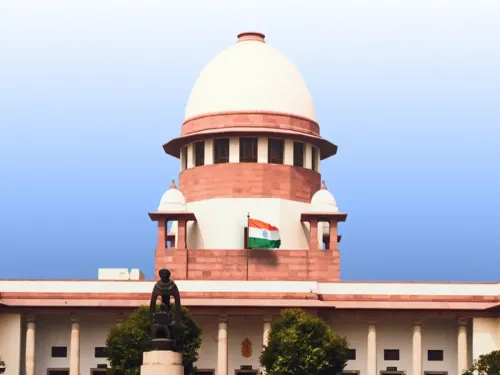
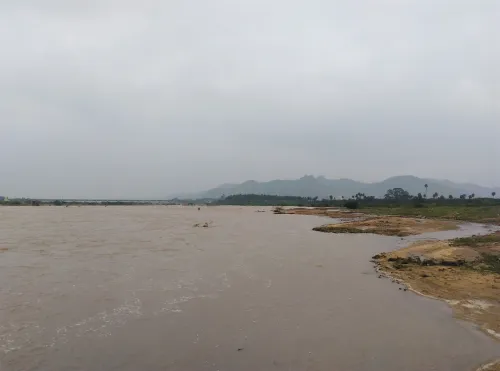
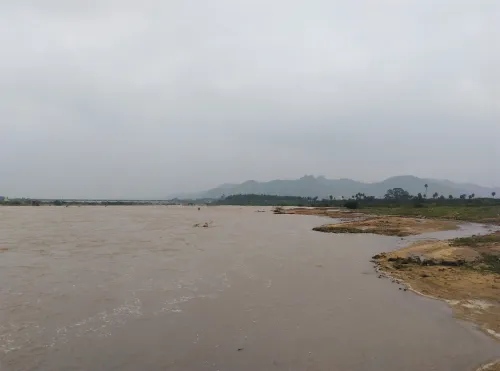
The Mullaperiyar dam, built in 1895, sits in Kerala but is operated by Tamil Nadu under a lease agreement. Tamil Nadu depends on it for water supply to its southern districts, making any change to the structure a politically sensitive issue at home. Kerala, citing geological studies and the dam's age, has persistently pushed for a new structure. The dispute has seen multiple rounds of litigation before the Supreme Court and remains unresolved. The latest TVK policy statement signals that Tamil Nadu's new political dispensation intends no departure from this well-established posture.
What This Means Going Forward
For Kerala, the development is a clear signal that any fresh legal or political initiative on the dam will face a consolidated and firm response from Tamil Nadu, regardless of which party governs the state. The episode also raises broader questions about the administrative and optics challenges of a Governor holding concurrent charge of two states with active, opposing stakes in an inter-state dispute. All eyes will now be on whether Kerala's government responds formally to the Tamil Nadu policy declaration.
Point of View
The TVK government's unambiguous policy declaration forecloses any hope that a change of guard in Chennai would soften Tamil Nadu's stance — a calculation Thiruvananthapuram may have been quietly banking on. The Mullaperiyar file at the Supreme Court is unlikely to get easier.
NationPress
18 Sept 2026
Frequently Asked Questions
Why was Kerala's Governor reading out Tamil Nadu's policy address?
Governor Rajendra Vishwanath Arlekar holds additional charge as Tamil Nadu's Governor and was therefore constitutionally required to deliver the TVK government's policy address in the Tamil Nadu Assembly on 18 June. A Governor's role is to read out the elected government's policy, not to express personal views.
What did Tamil Nadu's TVK government say about the Mullaperiyar dam?
The TVK government's policy address stated that the existing Mullaperiyar dam is structurally safe and that Tamil Nadu will protect its rights over the reservoir, opposing any attempt — legal or political — to replace it with a new dam.
What is Kerala's position on the Mullaperiyar dam?
Kerala argues that the over 100-year-old Mullaperiyar dam poses serious safety risks to downstream communities and has consistently demanded that a new dam be constructed. This position directly contradicts Tamil Nadu's stand.
Why is the Mullaperiyar dam disputed between Kerala and Tamil Nadu?
The dam, built in 1895, sits on Kerala territory but is operated by Tamil Nadu under a lease agreement, supplying water to Tamil Nadu's southern districts. Kerala's safety concerns and Tamil Nadu's water dependency have made the issue one of India's most enduring inter-state water disputes, with multiple rounds of Supreme Court litigation still unresolved.
Does the new TVK government in Tamil Nadu signal any change on Mullaperiyar?
No. The TVK government's policy declaration makes clear that the change in political leadership in Tamil Nadu will not alter the state's traditional opposition to a new dam, signalling a firm and united front against Kerala's demands going forward.