Mumbai CNG price rises to ₹86/kg after second MGL hike this month
Synopsis
Mumbai's CNG rate has hit ₹86 per kg after MGL's second hike in just 16 days — a cumulative ₹4/kg surge driven by West Asian conflict and global energy market stress. With oil companies absorbing ₹550 crore in losses daily and LPG reserves being shored up, the government is walking a tightrope between fiscal strain and consumer protection.
Key Takeaways
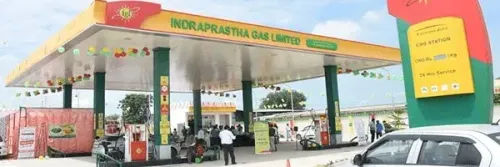
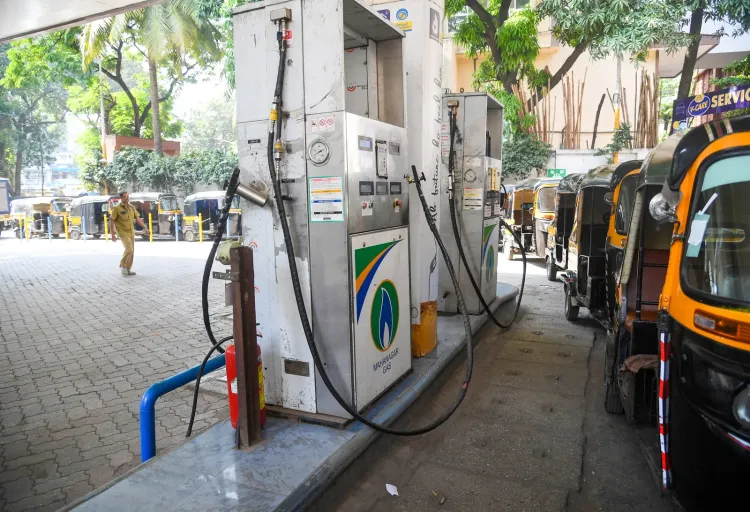
Mahanagar Gas Limited (MGL) raised CNG prices by ₹2/kg on 30 May 2026 , taking the Mumbai rate to ₹86 per kg .
This is the second CNG hike this month — MGL had raised rates by ₹2/kg on 14 May as well, a cumulative increase of ₹4/kg in a fortnight.
Piped cooking gas (PNG) rates were also raised by 50 paise per unit across MMR.
Global energy market pressure and West Asian conflict supply disruptions are cited as the primary drivers.
Public sector oil companies are absorbing ₹550 crore per day in losses; the Centre cut excise by ₹10/litre on 27 March 2026 .
Indian retail fuel prices have risen 8–9% since the crisis began, versus 20–67% in neighbouring economies.
Mahanagar Gas Limited (MGL) on Saturday, 30 May raised compressed natural gas (CNG) prices in the Mumbai Metropolitan Region (MMR) by ₹2 per kilogram, pushing the retail rate to ₹86 per kg. The revision covers Mumbai, Thane, Navi Mumbai, and all other areas under MGL's distribution network.
Second Hike This Month
This is the second CNG price increase in May 2026. MGL had already raised rates by ₹2 per kg on 14 May, meaning consumers have absorbed a cumulative ₹4 per kg increase within a fortnight. The company has simultaneously raised piped cooking gas (PNG) rates by 50 paise per unit across MMR.
What Is Driving the Increases
MGL has attributed the hikes to sustained pressure on international energy markets and supply disruptions linked to the ongoing West Asian conflict. The ripple effect has spread across fuel categories: in Mumbai, petrol was priced at ₹111.21 per litre and diesel at ₹97.83 per litre on Saturday, as state-run oil marketing companies have passed on a portion of higher global crude costs to consumers.
Government Measures to Cushion the Blow
The Ministry of Petroleum and Natural Gas said earlier this week that public sector oil companies are currently absorbing losses of ₹550 crore per day on petrol, diesel, and LPG sales to protect domestic consumers from the full force of global price swings. The Centre had already cut excise duty on petrol and diesel by ₹10 per litre on 27 March 2026. As a result, Indian retail fuel prices have risen by only 8 to 9 per cent since the crisis began, compared with increases of 20 to 67 per cent in neighbouring economies, according to the ministry.
LPG Reserves and Supply Outlook
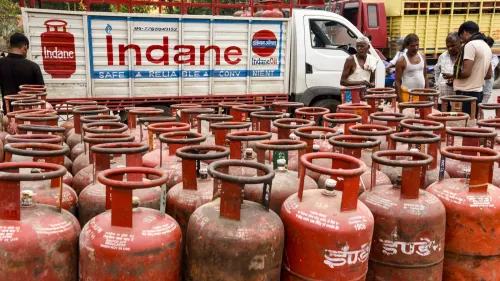
The Central government has directed state-run fuel retailers to build LPG reserves equivalent to at least 30 days of domestic demand to ensure adequate supplies. The ministry confirmed that crude, petrol, and diesel supplies remain adequate nationally but flagged localised shortages in some areas due to panic buying.
What Consumers Can Expect Next
With global energy markets still volatile and the West Asian conflict showing no immediate signs of resolution, further price adjustments cannot be ruled out. The government's stated policy of absorbing losses rather than fully passing them on offers some near-term relief, but the ₹550 crore daily subsidy burden on public sector companies is unsustainable if the crisis prolongs. Consumers and fleet operators in MMR will be watching MGL's next pricing decision closely.
Point of View
A ₹4/kg jump in a fortnight is a direct income hit with no short-term escape. The more telling question is how long public sector companies can sustain the loss-absorption strategy before fiscal pressure forces a policy reset — and whether LPG, still politically sensitive, becomes the next pressure point.
NationPress
19 Sept 2026
Frequently Asked Questions
What is the new CNG price in Mumbai after the latest MGL hike?
The new CNG price in Mumbai is ₹86 per kg, effective 30 May 2026, after Mahanagar Gas Limited raised rates by ₹2 per kg. The revised rate applies across Mumbai, Thane, Navi Mumbai, and other MMR areas served by MGL.
How many times has MGL hiked CNG prices in May 2026?
MGL has raised CNG prices twice in May 2026 — by ₹2/kg on 14 May and again by ₹2/kg on 30 May, amounting to a cumulative increase of ₹4 per kg within a fortnight.
Why have CNG and piped gas prices gone up in Mumbai?
MGL has cited sustained pressure on international energy markets and supply disruptions caused by the ongoing West Asian conflict as the primary reasons for the hikes. Global crude oil price increases have similarly pushed up petrol and diesel rates.
What is the government doing to protect consumers from fuel price increases?
The Centre cut excise duty on petrol and diesel by ₹10 per litre on 27 March 2026 and has directed oil marketing companies to absorb losses rather than fully pass on global price increases. Public sector oil firms are currently absorbing ₹550 crore per day in losses on petrol, diesel, and LPG sales.
Are fuel supplies adequate in Mumbai and across India?
The Ministry of Petroleum and Natural Gas has confirmed that supplies of crude, petrol, and diesel remain adequate nationally. However, it flagged localised shortages in some areas due to panic buying, and has directed fuel retailers to maintain LPG reserves equivalent to at least 30 days of domestic demand.