MGL hikes CNG price by ₹2/kg in Mumbai region, auto unions demand fare revision
Synopsis
MGL has pushed CNG prices to ₹84 per kg across the Mumbai Metropolitan Region — and within hours, auto-rickshaw unions were already at the door of regulators demanding a Re 1 base fare hike. With millions of commuters reliant on CNG-powered transport, the pressure on Maharashtra's fare-setting authorities is real and immediate.
Key Takeaways
Mahanagar Gas Limited (MGL) raised CNG prices by ₹2 per kg to ₹84 per kg across the Mumbai Metropolitan Region on 14 May 2025 .
The hike covers Mumbai , Thane , Navi Mumbai , and other MMR areas, effective immediately.
Auto-rickshaw unions have demanded at least a Re 1 increase in the base passenger fare, citing eroding driver earnings.
MGL shares rose nearly 3% in morning trade, touching an intraday high of ₹1,072 on the BSE.
MGL posted a net profit of ₹130 crore and revenue of ₹2,052 crore in Q4 FY26 .
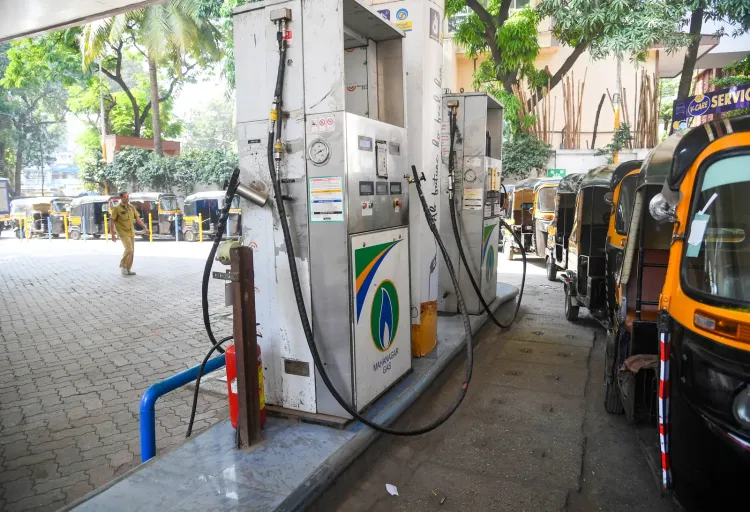
Mahanagar Gas Limited (MGL) raised compressed natural gas (CNG) prices by ₹2 per kg across the Mumbai Metropolitan Region (MMR) on 14 May 2025, pushing the retail rate to ₹84 per kg with immediate effect. The state-run gas distributor cited rising input costs and prevailing market conditions as the drivers behind the revision.
New Rates and Coverage
CNG will now cost ₹84 per kg across Mumbai, Thane, Navi Mumbai, and other parts of the MMR, up from the previous rate of ₹82 per kg. The hike applies to all retail dispensing outlets operated under the MGL network and takes effect immediately across the region.
Auto-Rickshaw Unions Push for Fare Relief
Shortly after the price revision was announced, auto-rickshaw unions reportedly demanded a corresponding increase in passenger fares, arguing that successive fuel price hikes have steadily eroded drivers' take-home earnings. Union representatives have sought at least a Re 1 increase in the base auto-rickshaw fare and urged the relevant authorities to act without delay.
According to union statements, the sustained rise in operating costs has made it increasingly difficult for drivers to sustain livelihoods under the existing fare structure. This comes amid a broader pattern of CNG price volatility that has triggered similar fare demands in earlier cycles across Indian cities.
Impact on Daily Commuters
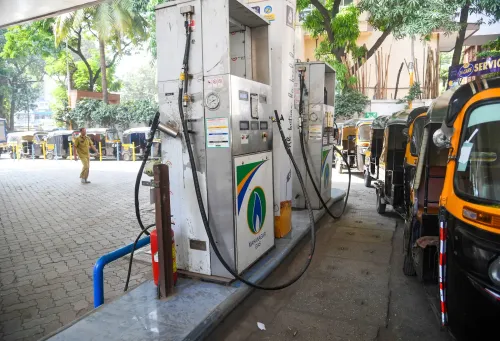
The MMR is heavily dependent on CNG-powered public transport, with auto-rickshaws, taxis, and city buses collectively running on the fuel. The latest revision is expected to translate into upward pressure on fares, directly affecting millions of daily commuters. Notably, this is not the first such hike in recent months — each previous revision has reignited the fare-revision debate between transport unions and state regulators.
MGL Financial Snapshot
Shares of Mahanagar Gas Limited traded nearly 3% higher in morning trade on Thursday, touching an intraday high of ₹1,072 on the Bombay Stock Exchange (BSE). The stock's 52-week high stands at ₹1,586 and its 52-week low at ₹902. For the fourth quarter of FY26, MGL reported a net profit of ₹130 crore on revenue of ₹2,052 crore.
Separately, the government has stated that the country holds adequate stocks of petroleum products and that LPG supplies for domestic cooking remain stable — though the CNG hike signals continued cost pressures in the city gas distribution segment.
With auto unions pressing regulators and commuters bracing for possible fare increases, the next move by Maharashtra's transport authorities will be closely watched.
Point of View
Transport unions demand fare relief, regulators delay, and commuters absorb the squeeze in the interim. The real question is whether Maharashtra's fare-revision mechanism is fit for purpose in an era of frequent fuel price volatility — the current structure forces unions into reactive protest rather than forward-looking adjustment. MGL's strong Q4 profit of ₹130 crore also invites scrutiny: if margins are healthy, the input-cost justification for passing the full burden to end users deserves closer examination.
NationPress
23 Sept 2026
Frequently Asked Questions
What is the new CNG price in Mumbai after the MGL hike?
The new CNG price in Mumbai and the wider Mumbai Metropolitan Region is ₹84 per kg, up from ₹82 per kg, following a ₹2 per kg revision by Mahanagar Gas Limited on 14 May 2025. The new rate is effective immediately across Mumbai, Thane, and Navi Mumbai.
Why did MGL hike CNG prices?
MGL cited rising input costs and prevailing market conditions as the reasons for the ₹2 per kg price increase. The company has not detailed the specific cost components driving the revision.
How does the CNG hike affect auto-rickshaw and taxi commuters in Mumbai?
Auto-rickshaw and taxi fares in Mumbai are currently unchanged, but unions have demanded a Re 1 increase in the base fare to offset higher operating costs. Until regulators act, drivers bear the additional fuel cost, which could lead to informal fare increases or service disruptions.
What are auto-rickshaw unions demanding after the CNG price hike?
Auto-rickshaw unions have reportedly demanded at least a Re 1 hike in the base passenger fare, arguing that repeated CNG price increases have made it financially unviable to operate under the existing fare structure. They have urged authorities to take a decision urgently.
How did MGL shares react to the CNG price hike?
MGL shares rose nearly 3% in morning trade on Thursday, hitting an intraday high of ₹1,072 on the BSE. The stock's 52-week range is ₹902 to ₹1,586, and the company reported a net profit of ₹130 crore for Q4 FY26.