Lilavati Hospital black magic case: Mumbai court quashes summons, says finding kalash not a crime
Synopsis
A Mumbai Sessions Court has drawn a sharp legal line: burying ritual kalash pots — even those containing rice, hair, and ash — is not automatically a crime. In quashing summons against Niket Vijay Mehta in the Lilavati Hospital black magic case, the court found the original complaint forensically hollow and the magistrate's order legally unsustainable, setting a significant precedent for how Indian courts treat allegations rooted in occult practices.
Key Takeaways
The Greater Mumbai Sessions Court at Mazgaon quashed summons against Niket Vijay Mehta on 31 October 2026 in the Lilavati Hospital black magic case .
Additional Sessions Judge Kunal Dhanaji Jadhav allowed Criminal Revision Application No.
01 of 2026 , setting aside a 8 December 2025 magistrate's order.
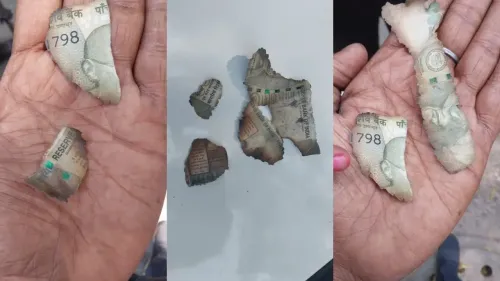
Eight copper pots found on 21 September 2024 — reportedly containing human remains, rice, hair, and ash — were the basis of the complaint filed by Prashant Mehta .
The court found no forensic evidence, no clarity on who buried the pots or when, and no specific role established for each accused.
The judge held that burying ritual pots can constitute customary Hindu Vastu practice and cannot automatically be treated as criminal without proof of harmful intent.
The Greater Mumbai Sessions Court at Mazgaon has quashed the summons issued against Niket Vijay Mehta in the widely discussed Lilavati Hospital black magic case, ruling on 31 October 2026 that the mere discovery of ritual pots (kalash) buried beneath a floor does not constitute a criminal offence. The judgment marks a significant legal setback for the complainant in a case that drew considerable public attention.
Background: How the Case Began
The case originated from a complaint filed by Prashant Mehta, who described himself as a permanent trustee of the Lilavati Kirtilal Mehta Medical Trust. He alleged that after assuming control of the trust's administration pursuant to a Supreme Court order dated 18 September 2023, eight copper pots were unearthed from beneath the floor of his cabin on 21 September 2024.
According to the complaint, the pots reportedly contained human remains, rice, hair, ash, and other materials allegedly associated with black magic rituals. Prashant Mehta accused former management members — including Niket Mehta and six others — of performing occult practices purportedly intended to secure supernatural advantages and cause harm to the trustees.
What the Sessions Court Found
Additional Sessions Judge Kunal Dhanaji Jadhav, allowing Criminal Revision Application No. 01 of 2026, set aside the order passed on 8 December 2025 by the Judicial Magistrate First Class, 12th Court, Bandra, Mumbai. The Sessions Court identified several critical gaps in both the complaint and the evidence placed before the lower court.
The court observed that the complaint offered no clear explanation of who buried the pots, when they were buried, or what specific role each of the accused allegedly played in the alleged offence. The judge also noted a conspicuous absence of forensic evidence capable of establishing whether the recovered bones were human remains or whether the hair and other recovered materials were connected to any unlawful activity.
Court's View on Hindu Religious Practices
Crucially, the court remarked that burying ritual pots containing rice, sacred water, coins, or similar materials can form part of customary Hindu practices associated with Vastu shastra and religious ceremonies. The judge held that such practices cannot automatically be treated as criminal acts in the absence of evidence pointing to prohibited conduct or a demonstrable intention to cause harm, deception, or fear.
This observation is notable because it draws a legal distinction between culturally recognised ritual behaviour and conduct that crosses into criminal territory — a line that, the court found, the prosecution had failed to establish in this case.
Legal Outcome and Implications
Concluding that the magistrate's summoning order was legally unsustainable and lacked sufficient grounds, the Sessions Court allowed the revision application and quashed the summons against Niket Vijay Mehta. The ruling does not necessarily close proceedings against other accused persons, and the matter relating to the broader trust dispute — which itself carries a Supreme Court backdrop — continues to cast a shadow over the institution.
The judgment adds to a growing body of case law on the evidentiary bar required before courts can summon accused persons in cases involving allegations of occult or superstitious practices. Going forward, the complainant may need to produce stronger forensic and circumstantial evidence if the case is to proceed on any front.
Point of View
Intent, and forensic linkage before summoning accused persons, the court has raised the bar in a way that protects religious practice from being weaponised in civil disputes. The Lilavati case is, at its core, a trust governance battle being waged partly through criminal complaints; the quashing of these summons suggests the judiciary is wary of letting institutional power struggles play out in a criminal courtroom on thin evidence.
NationPress
1 Nov 2026
Frequently Asked Questions
What is the Lilavati Hospital black magic case?
The case involves a complaint by Prashant Mehta , a trustee of the Lilavati Kirtilal Mehta Medical Trust , who alleged that eight copper pots containing human remains, rice, hair, and ash were discovered beneath his cabin floor on 21 September 2024. He accused former management members, including Niket Vijay Mehta, of burying the pots to perform occult practices intended to harm the trustees.
Why did the Mumbai Sessions Court quash the summons?
The court found the complaint legally unsustainable because it lacked forensic evidence, did not identify who buried the pots or when, and failed to specify the role of each accused. The judge also noted that burying ritual pots can be part of recognised Hindu Vastu and religious customs, and cannot be treated as a crime without proof of harmful intent.
Who is Niket Vijay Mehta in this case?
Niket Vijay Mehta is a former management member of the Lilavati Kirtilal Mehta Medical Trust who was summoned as an accused in the black magic complaint. The Sessions Court has now quashed those summons, ruling they were issued without sufficient legal grounds.
Does this ruling end all proceedings in the Lilavati Hospital case?
The ruling quashes the summons specifically against Niket Vijay Mehta and sets aside the magistrate's December 2025 order. It does not necessarily terminate proceedings against other accused persons, and the underlying trust dispute — which stems from a Supreme Court order dated 18 September 2023 — remains active.
What legal precedent does this judgment set?
The judgment reinforces that allegations involving occult or superstitious practices must meet the same evidentiary standards as any other criminal charge — requiring forensic proof, identified roles, and demonstrable intent to harm, deceive, or cause fear. Courts cannot issue summons solely on the basis of discovering culturally ambiguous ritual objects.