India-Myanmar border fencing advancing, says Assam Rifles DG
Synopsis
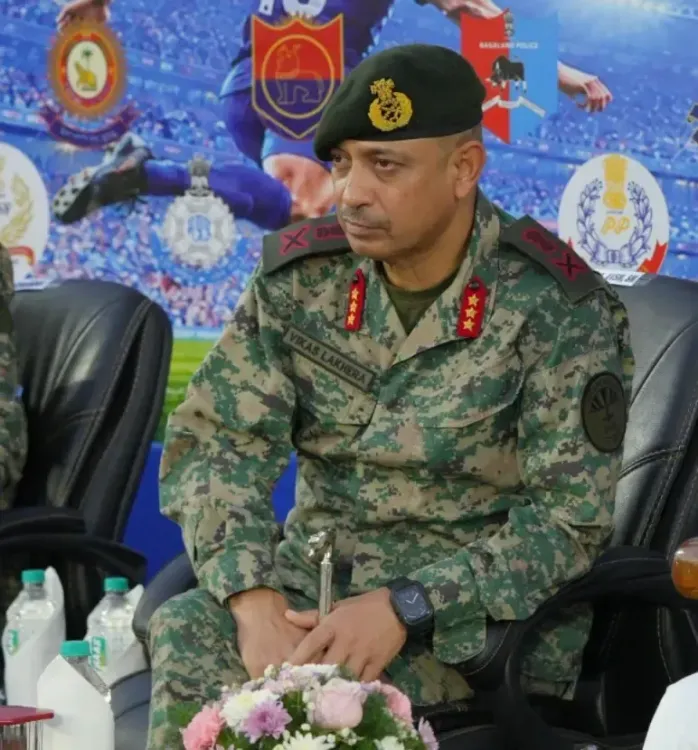
The ₹31,000 crore India-Myanmar border fence is moving slowly. Assam Rifles DG Lt Gen Vikas Lakhera says rough terrain and weather are delaying work and that progress is good “at least in Manipur”. He also warned that drugs could “hollow out the country”.
Key Takeaways
Assam Rifles DG Lt Gen Vikas Lakhera said on 28 November 2026 in Agartala that India-Myanmar border fencing is progressing despite difficult terrain and weather.
He said work is progressing well, “at least in Manipur ”.
The 1,643-km border runs through Arunachal Pradesh, Mizoram, Manipur and Nagaland, and the MHA plans to fence all of it at a cost of ₹31,000 crore .
Assam Rifles is coordinating with the DRI , NCB and state police on anti-drug operations.
Lakhera called the security situation in Arunachal Pradesh “very good” and credited the NSCN-IM ceasefire.
Fencing along the India-Myanmar border is progressing despite difficult terrain and adverse weather, Director General of Assam Rifles Lieutenant General Vikas Lakhera said in Agartala on Saturday, 28 November 2026. He described progress in Manipur as satisfactory. Lakhera also highlighted the paramilitary force's stepped-up campaign against drug trafficking across the Northeast.
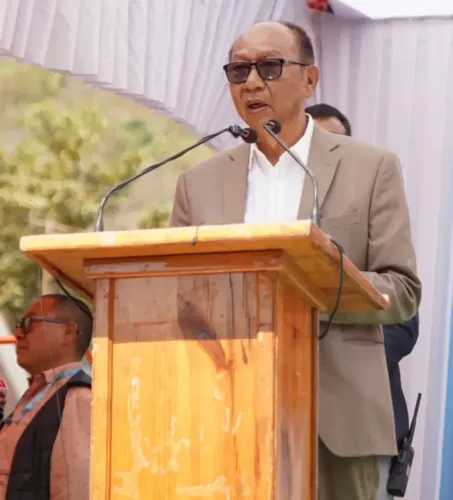
He spoke to the media on the sidelines of a high-mast National Flag hoisting ceremony at the Headquarters of 21 Sector Assam Rifles in Agartala. The force patrols India's frontier with Myanmar and is central to counter-insurgency operations in the region.
Border Fencing: Terrain and Weather Slow the Pace
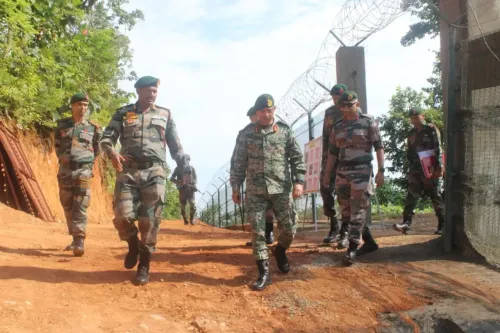
Lakhera acknowledged that the fencing project faces natural obstacles. “Fencing takes time. The terrain is difficult and weather conditions also pose challenges. The work is progressing well, at least in Manipur,” he said.
Four Northeastern states share the 1,643-km border with Myanmar:
- Arunachal Pradesh: 520 km
- Mizoram: 510 km
- Manipur: 398 km
- Nagaland: 215 km
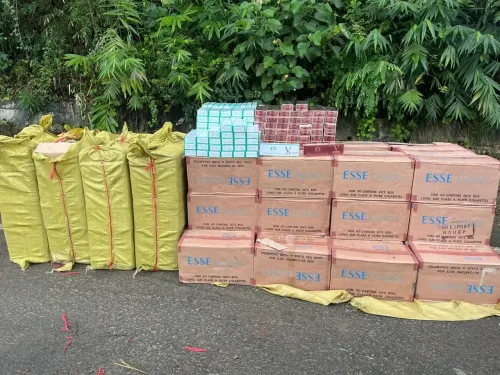
The Ministry of Home Affairs (MHA) had earlier decided to fence the entire porous stretch at a cost of ₹31,000 crore. The border is known for the smuggling of arms, ammunition, narcotics and other contraband, as well as illegal cross-border movement.
Notably, the DG's qualifier, “at least in Manipur”, suggests that progress is uneven across the four states.
Anti-Drug Operations a Core Mandate
Lakhera said anti-drug operations are a responsibility assigned to Assam Rifles by the MHA. “Anti-drug operations are a mandate given to us by the Ministry of Home Affairs. Our success over the last many years is a testimony to the role and duty we perform against drugs and drug smuggling,” he said.
He said the force works closely with the Directorate of Revenue Intelligence (DRI), the Narcotics Control Bureau (NCB) and state police. “We have to win over this menace because drugs will hollow out the country,” Lakhera said. He called for a collective fight in line with the national goal of a drug-free India.
Security Situation and Community Role
Asked about Arunachal Pradesh, Lakhera described the security situation as “very good”. He credited the existing ceasefire with the National Socialist Council of Nagaland-Isak Muivah (NSCN-IM) for helping maintain peace and stability.
On counter-insurgency and border management, he said personnel are trained to operate under difficult conditions. “Once you are in uniform, challenges will be there. We are trained to face challenges. Soldiers are meant to face them, and we overcome them by performing our duties,” he said.
Referring to Tripura's location along drug trafficking routes in the Northeast, Lakhera said enforcement agencies cannot tackle the problem without public participation. “The community has to come together. If the community, police and all of us work together, any challenge can be overcome,” he said.
DG Reviews Operational Preparedness
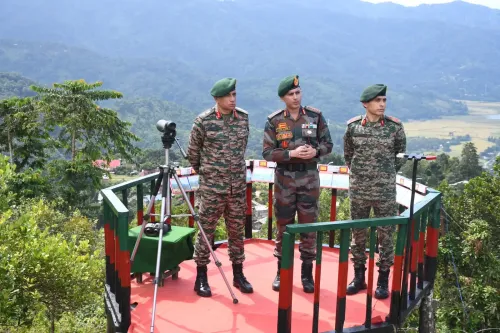
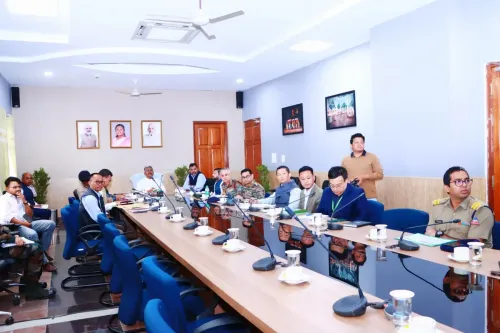
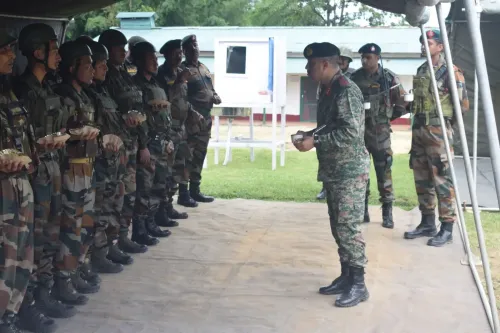
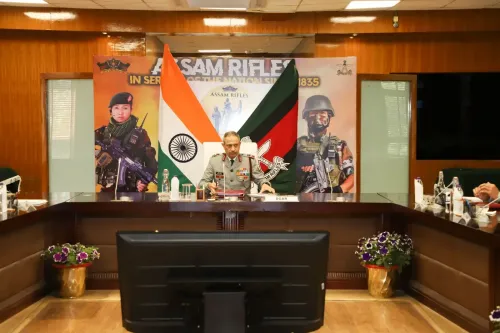
A Defence spokesman said Lakhera reviewed the force's operational preparedness and ongoing activities at the 21 Sector Headquarters. He also interacted with personnel and praised their professionalism, dedication and commitment to maintaining peace and security in the region.
With the ₹31,000 crore fencing project still under construction and trafficking routes active, the pace of work beyond Manipur and the strength of inter-agency coordination will shape border security in the Northeast in the months ahead.
Point of View
000 crore fence is advancing unevenly across a 1,643-km frontier where Mizoram and Arunachal Pradesh alone account for over 1,000 km. Fencing a mountainous, rain-soaked border that cuts through communities with deep cross-border ties is as much a political and social exercise as an engineering one, and timelines are rarely made public. His appeal for community participation against drugs is an admission that enforcement alone has not choked trafficking routes. The Centre owes the Northeast clearer, state-wise progress data rather than reassurances.
NationPress
28 Nov 2026
Frequently Asked Questions
What did the Assam Rifles DG say about India-Myanmar border fencing?
Lt Gen Vikas Lakhera said on 28 November 2026 that fencing along the India-Myanmar border is progressing despite difficult terrain and adverse weather. He added that work is going well, at least in Manipur.
How long is the India-Myanmar border and which states does it cover?
The India-Myanmar border is 1,643 km long. It runs through Arunachal Pradesh (520 km), Mizoram (510 km), Manipur (398 km) and Nagaland (215 km).
How much will the India-Myanmar border fencing cost?
The Ministry of Home Affairs had decided to fence the entire border at a cost of ₹31,000 crore. The aim is to curb smuggling of arms, narcotics and other contraband, as well as illegal cross-border movement.
Which agencies is Assam Rifles working with against drug trafficking?
Assam Rifles is coordinating with the Directorate of Revenue Intelligence (DRI), the Narcotics Control Bureau (NCB) and state police. The DG said anti-drug operations are a mandate given to the force by the MHA.
What did the Assam Rifles DG say about security in Arunachal Pradesh?
He described the security situation in Arunachal Pradesh as very good. He credited the existing ceasefire with the NSCN-IM for helping maintain peace and stability in the region.