Nadda Chairs MedTech CEO Roundtable at India Medical Device Conference 2026
Synopsis
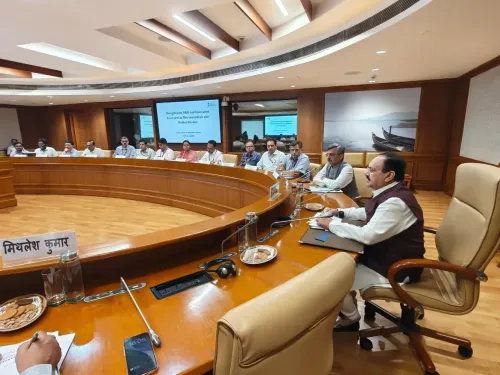
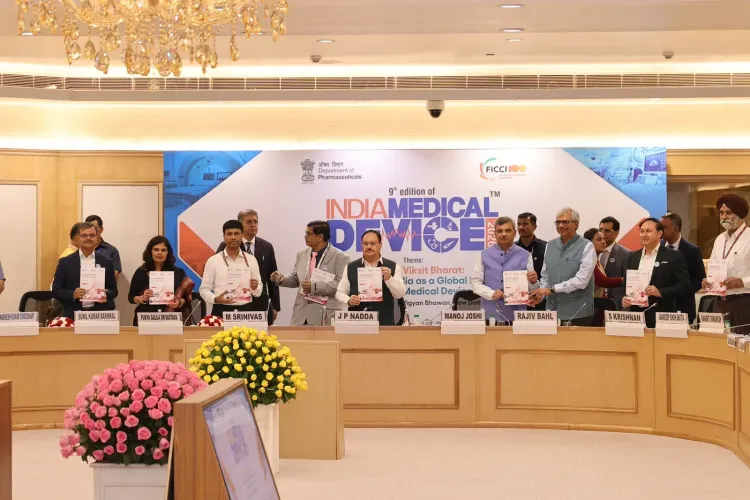
Union Health Minister J. P. Nadda chaired the CEO Roundtable at the India Medical Device Conference 2026 in New Delhi on August 8, discussing innovation, regulation, domestic manufacturing and exports to position India as a global MedTech hub, backed by the PLI scheme and National Medical Devices Policy 2023.
Key Takeaways
Union Health Minister J.
Nadda chaired the CEO Roundtable at the India Medical Device Conference 2026 in New Delhi on August 8, 2026 .
Discussions covered innovation, regulatory excellence, domestic manufacturing, value chains, market access, and exports.
India historically imports over 70–80 per cent of its medical devices, making import substitution a core policy priority.
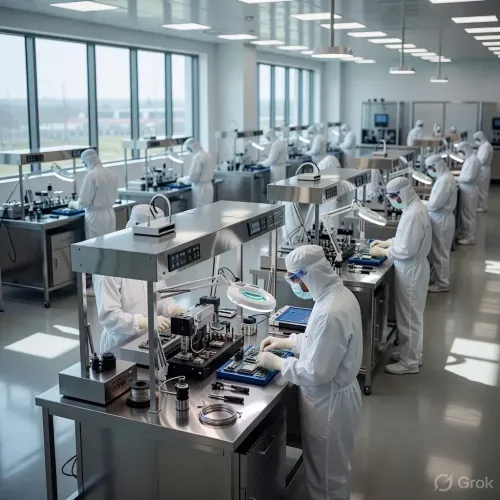
The PLI scheme for medical devices , approved in 2020 with an outlay of Rs 3,420 crore , underpins the manufacturing push.
The National Medical Devices Policy 2023 set the framework for scaling manufacturing, research, and export competitiveness.
The government's stated goal has shifted from import substitution to positioning India as a global MedTech export hub .
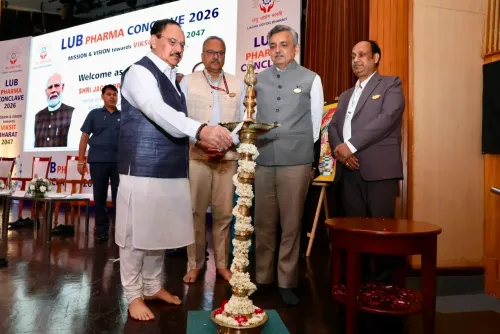
India's ambition to become a global medical devices powerhouse moved from policy paper to boardroom on Saturday, August 8, 2026, when Union Health Minister J. P. Nadda chaired a CEO Roundtable at the India Medical Device Conference 2026 in New Delhi, bringing top industry leaders and senior government officials to the same table.
Nadda described the session as a 'holistic' conversation spanning innovation, regulatory excellence, domestic manufacturing, value chains, market access, and exports — the full stack of what it would take to plant India's flag as a global MedTech hub. 'The Government remains committed to working closely with industry to build a competitive, innovation-driven and globally integrated MedTech ecosystem,' he said, crediting the push to Prime Minister Narendra Modi's leadership.
Why this roundtable lands at a critical moment
The stakes are not abstract. Historically, India has imported over 70–80 per cent of its medical devices — a dependency that inflates hospital costs, strains foreign exchange, and leaves the healthcare system exposed to global supply shocks. Every conversation in that conference room is, in effect, a conversation about fixing that number. The policy scaffolding is already up. The Medical Devices Rules, 2017 created a dedicated regulatory framework, separating devices from drugs for the first time. The Production Linked Incentive (PLI) scheme for medical devices, approved in 2020 with an outlay of Rs 3,420 crore, was designed to pull investment into domestic production. And the National Medical Devices Policy, 2023 tied these threads together with explicit targets for manufacturing scale-up, research, and export competitiveness.From Atmanirbhar Bharat to a global export play
What makes the 2026 conference notable is the shift in ambition. Early Atmanirbhar Bharat messaging was largely defensive — reduce imports, build resilience. The framing at this roundtable is offensive: position India not just as a self-sufficient market but as a supplier to the world. Regulatory harmonisation and value chain integration — both flagged by Nadda — are the two levers that turn a domestic manufacturing story into an export story. Getting Indian device standards recognised internationally, and embedding Indian suppliers into global procurement chains, is the harder, longer work that follows the PLI cheques. The medical device sector sits at the intersection of health policy, industrial policy, and trade policy — which is precisely why a Health Minister who also holds the Chemicals and Fertilizers portfolio is well-placed to drive it. Whether Saturday's roundtable produces revised PLI incentives, new export targets, or regulatory reform announcements will become clear in the months ahead. The direction, however, was unmistakable.Point of View
Manufacturing, and trade incentives in one push. The emphasis on 'value chains' and 'global integration' suggests the government recognises that PLI money alone cannot build export competitiveness — standards harmonisation and supply-chain embedding are the next frontier. Watch for whether this conference produces concrete regulatory or incentive announcements, or remains a high-level signal ahead of the next budget cycle.
NationPress
8 Aug 2026
Frequently Asked Questions
What was discussed at the India Medical Device Conference 2026 CEO Roundtable?
The roundtable chaired by Union Health Minister J. P. Nadda covered innovation, regulatory excellence, domestic manufacturing, value chain development, market access, and exports, with the goal of making India a global MedTech hub.
What is the PLI scheme for medical devices in India?
The Production Linked Incentive scheme for medical devices was approved in 2020 with a government outlay of Rs 3,420 crore to attract investment and boost domestic production of medical devices in India.
Why does India want to reduce medical device imports?
India has historically imported over 70–80 per cent of its medical devices, which raises healthcare costs, drains foreign exchange, and creates supply-chain vulnerabilities — driving the push for domestic manufacturing under Atmanirbhar Bharat.
What is the National Medical Devices Policy 2023?
Approved in 2023, the National Medical Devices Policy provides a comprehensive framework to promote domestic manufacturing, research, and export competitiveness across India's medical device sector.
What is J. P. Nadda's role in India's health policy?
J. P. Nadda is the Union Minister of Health and Family Welfare and Minister of Chemicals and Fertilizers, making him the key government figure overseeing medical device regulation, manufacturing incentives, and health sector policy.