Nadda raises infiltration alarm over Bengal border district vote surge
Synopsis
J. P. Nadda has amplified claims of a 70-105% voter roll surge in nine West Bengal-Bangladesh border districts, tying the figures to infiltration and fake IDs while mocking Mamata Banerjee's 'hobe na' catchphrase under the hashtag #SaveDemocracyRemoveAnarchy.
Key Takeaways
Nadda alleged a 70% to 105% rise in voters across nine West Bengal districts bordering Bangladesh.
The sharpest figures cited: Uttar Dinajpur (105%), Malda (94%), Murshidabad (87%) — all Bangladesh-border districts.
Nadda linked the surge to illegal infiltration and forged voter identity documents , not verified demographic growth.
He mocked Mamata Banerjee 's past 'hobe na' slogan, claiming the infiltration she denied is now reflected in the voter data.
The specific percentage claims are unverified — no Election Commission ruling or independent audit has confirmed them.
The post is part of BJP's sustained campaign linking Bangladesh migration to electoral outcomes in West Bengal, running since at least 2019 .
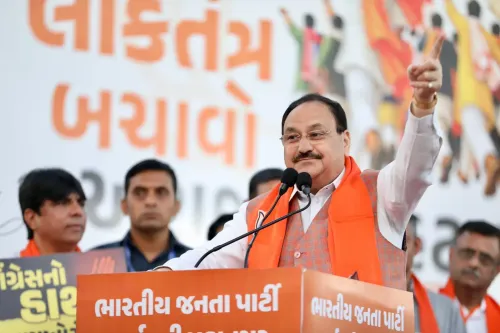
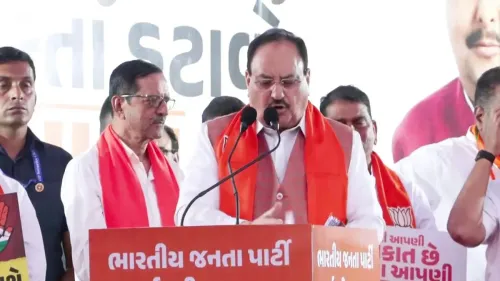
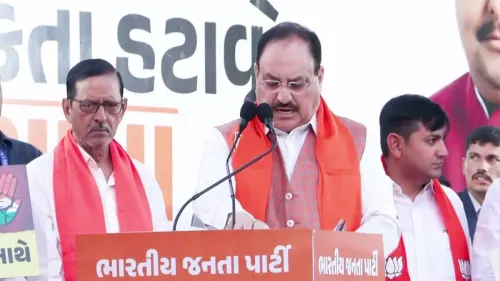
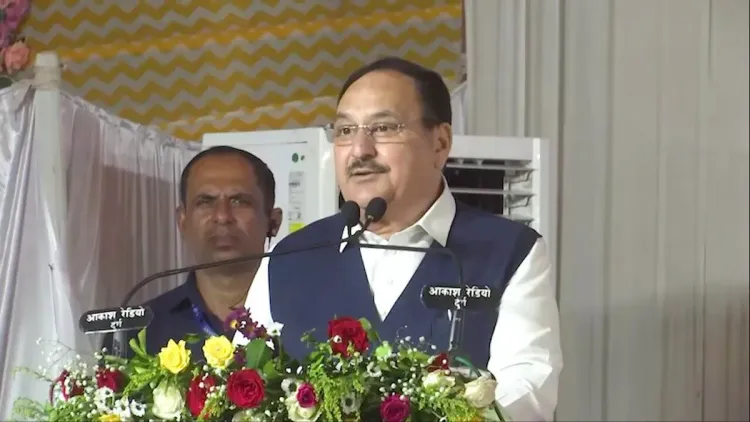
A stark electoral arithmetic is at the centre of a fresh political storm: Union Health Minister J. P. Nadda has publicly questioned a claimed surge of 70% to 105% in voter rolls across nine West Bengal districts bordering Bangladesh, calling it direct evidence of infiltration and fake identity documents distorting the democratic process.
The numbers Nadda is flagging — and what they imply
The figures Nadda cited are pointed: Uttar Dinajpur at a claimed 105% increase, Malda at 94%, and Murshidabad at 87% — all districts that share a direct land boundary with Bangladesh. The argument, which Nadda attributed to an unnamed speaker, is that growth of this magnitude in border-adjacent constituencies cannot be explained by natural demographic change alone and must implicate illegal entries backed by forged voter ID cards.
It is important to note that these specific percentage figures, as flagged in available research, are unverified claims — neither independently corroborated nor confirmed by the Election Commission. Nadda is amplifying an allegation, not presenting adjudicated data.
The 'Hobe Na' jab at Mamata Banerjee
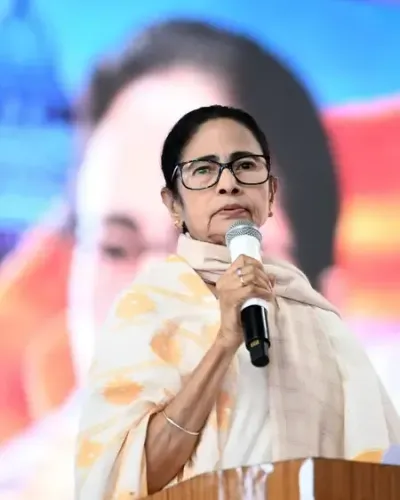
Nadda's sharpest rhetorical moment was a direct mockery of West Bengal Chief Minister Mamata Banerjee's past catchphrase. Banerjee had repeatedly used the Bengali phrase 'hobe na, hobe na, hobe na' — meaning 'it won't happen, it won't happen, it won't happen' — as a defiant political refrain against BJP assertions about infiltration.
Nadda turned the phrase on its head: 'what Mamata used to say won't happen is now happening.' The implication is that the voter roll data itself is the proof she could not suppress. He added a blunt political diagnosis: the pain in her camp, he said, is because 'they ran the government on the support of infiltrators.' It was combative, choreographed — and aimed squarely at TMC's Bengali voter base.
BJP's long-running Bengal border narrative
This is not a new front for BJP. Since at least the 2019 Lok Sabha elections, the party has systematically argued that illegal immigration from Bangladesh has reshaped the demographics — and therefore the electoral arithmetic — of West Bengal's border districts. The #SaveDemocracyRemoveAnarchy hashtag Nadda deployed signals that this is part of a coordinated messaging campaign, not a spontaneous remark.
The districts named — Uttar Dinajpur, Malda, and Murshidabad — have featured repeatedly in BJP's border-security arguments. All three have significant Muslim-majority populations and have historically voted strongly for TMC and, before it, the Left Front. For BJP, questioning voter roll integrity here is simultaneously a security argument and an electoral one.
What the Election Commission and Bengal government haven't yet said
The ball is now in two courts. The Election Commission of India has the statutory authority to audit and revise electoral rolls, and any formal challenge on the basis of these claims would land on its desk. The West Bengal government, led by Banerjee's TMC, has not yet responded to this specific set of allegations. Whether the claims generate a parliamentary debate on border fencing and identity verification — or are absorbed into the background noise of BJP-TMC sparring — will determine their political shelf life.
If the Election Commission takes up a formal inquiry, the numbers Nadda cited will face proper scrutiny. Until then, the allegation does what it is designed to do: keep infiltration, fake voter IDs, and Bangladesh border security front and centre in West Bengal's political conversation.
Point of View
The party is betting that a rhetorical reversal lands harder than a policy argument. The unverified nature of the percentage figures, however, means the campaign's durability depends entirely on whether a formal body — the ECI or Parliament — picks it up for real scrutiny. If they don't, the numbers stay in the realm of political allegation rather than actionable fact.
NationPress
31 Oct 2026
Frequently Asked Questions
What did J. P. Nadda say about West Bengal voter rolls?
Nadda amplified claims that voter rolls in nine West Bengal districts bordering Bangladesh rose by 70% to 105% , citing figures of 105% in Uttar Dinajpur, 94% in Malda , and 87% in Murshidabad , and attributed this to infiltration and fake voter ID cards.
Are the claims about voter roll increases in West Bengal verified?
No. The specific percentage figures Nadda cited are unverified allegations . No official Election Commission audit or independent body has confirmed these numbers as of now.
What is the 'hobe na' slogan Nadda referenced?
' Hobe na ' means 'it won't happen' in Bengali and was a frequently used catchphrase by Chief Minister Mamata Banerjee to dismiss BJP claims about infiltration. Nadda mocked it by saying the very thing she denied is now reflected in voter data.
Why are Uttar Dinajpur, Malda, and Murshidabad significant in this debate?
All three districts share a direct land border with Bangladesh , have historically voted for TMC, and have been repeatedly cited by BJP since the 2019 Lok Sabha elections in arguments about demographic change and illegal migration.
What happens next after these allegations?
The Election Commission of India has the authority to review and revise electoral rolls if a formal challenge is filed. The West Bengal government has not yet responded to this specific set of claims.