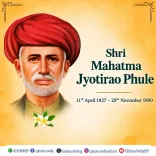
Health Minister Nadda pays tribute to Jyotiba Phule
Synopsis
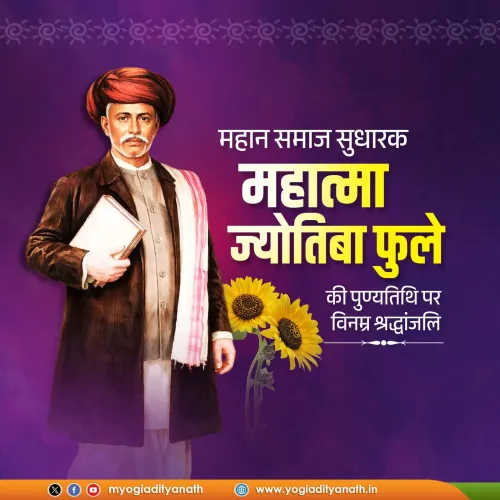
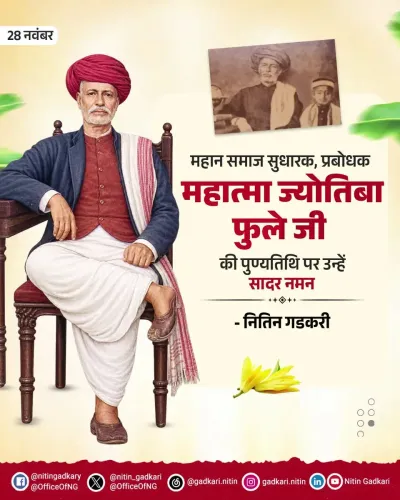
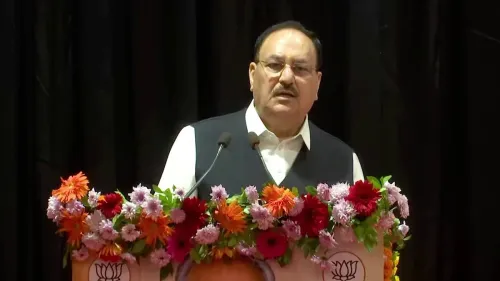
Union Health Minister J. P. Nadda paid homage to Mahatma Jyotiba Phule on the reformer's punyatithi, praising his work for social equality, women's education and the rights of the deprived.
Key Takeaways
Union Health Minister J.
Nadda paid homage to Mahatma Jyotiba Phule on the reformer's punyatithi on 28 November.
Nadda said Phule dedicated his life to social equality, education and women's empowerment.
He credited Phule with making education a powerful medium of social change and defending the rights of the deprived.
Phule was a 19th-century Maharashtra reformer who campaigned for education of lower castes and women.
The tribute carried no new policy or legislative announcement.
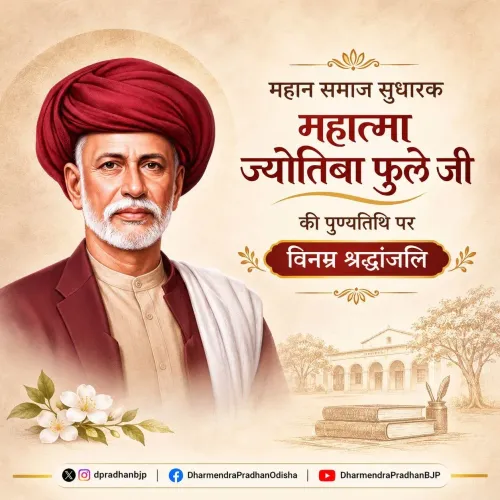
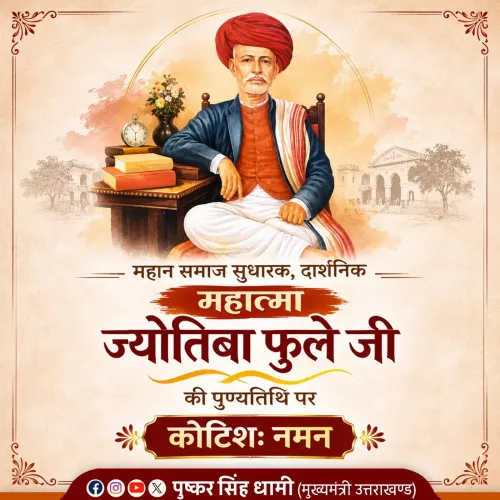
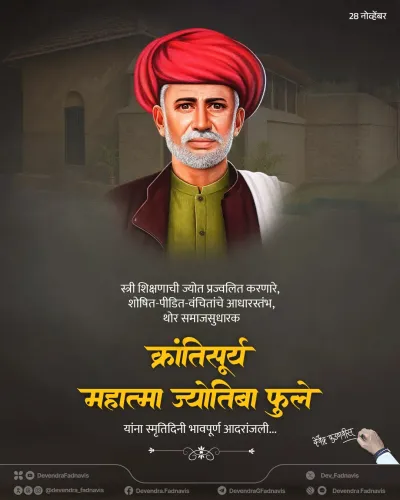
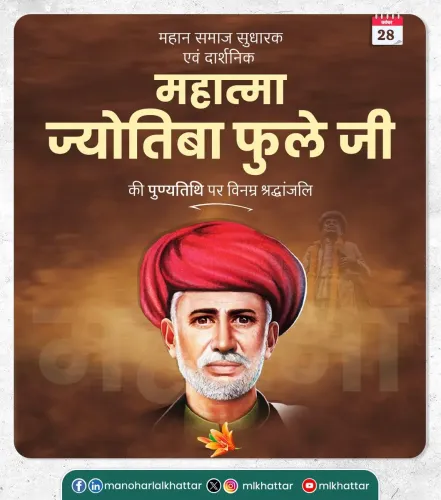
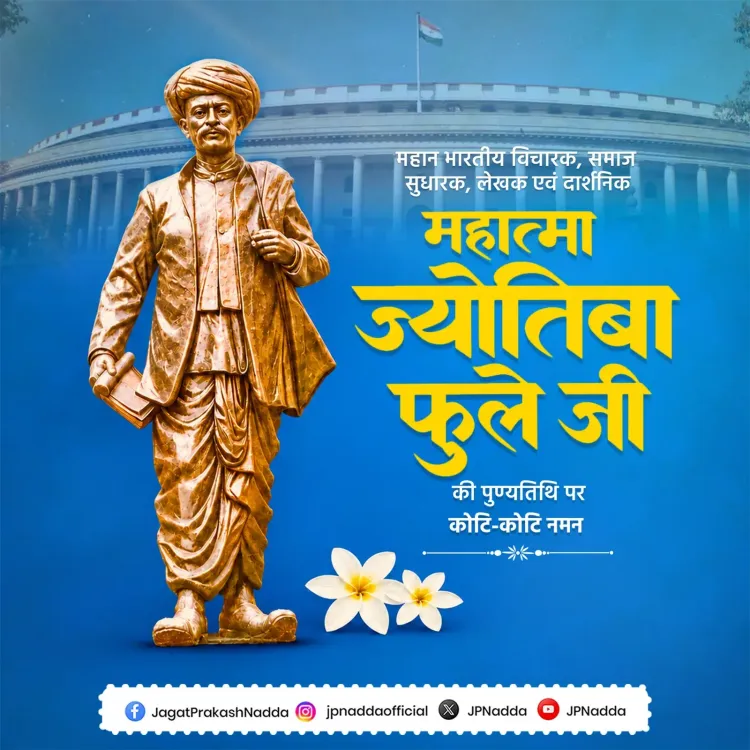
A 19th-century Maharashtra reformer who fought to put girls and the deprived into classrooms still draws a national salute. Union Health Minister J. P. Nadda on 28 November paid homage to Mahatma Jyotiba Phule on his punyatithi, writing from New Delhi that Phule made education a powerful medium of social change.
Nadda offered koti-koti naman (countless salutations) to the reformer who, he said, dedicated his entire life to social equality, education and women's empowerment. Phule, the minister wrote, worked continuously to protect the rights of the deprived and to bring positive change in their lives. His dedication to women's education and social equality would always be remembered, and his thoughts and ideals would keep inspiring the nation.
Phule, schooling and the rights of the deprived
Mahatma Jyotiba Phule campaigned in 19th-century Maharashtra for the education of lower castes and women and against caste-based discrimination. That is the legacy Nadda placed at the centre of the tribute: the rights of the deprived, schooling as social transformation, and women's empowerment as work that does not expire with a date on the calendar.
Political figures across parties issue such messages every 28 November. Successive governments have invoked Phule when they speak of inclusive schooling and women's empowerment. This post carried no new scheme and no legislative peg — only the annual reminder of a reformer's unfinished classroom.
For Phule, the measure was never a wreath on an anniversary. It was whether the next girl, and the next child from a denied caste, actually walked into a school.
Point of View
The deprived as the constituency of memory, women as the unfinished test. The Health Ministry brief is not the natural home of a caste-and-classroom reformer, which is precisely why the post reads as national politics rather than a departmental note. Without a scheme or Bill attached, the homage is a reminder that Phule is still easier to praise than to operationalise.
NationPress
28 Nov 2026
Frequently Asked Questions
When is Jyotiba Phule's punyatithi observed?
Mahatma Jyotiba Phule's punyatithi, or death anniversary, is observed on 28 November. Political leaders across parties customarily issue tributes on that date.
What did JP Nadda say about Jyotiba Phule?
Union Health Minister J. P. Nadda offered homage to Phule for dedicating his life to social equality, education and women's empowerment. He said Phule made education a powerful medium of social change and worked to protect the rights of the deprived.
Who was Mahatma Jyotiba Phule?
Mahatma Jyotiba Phule was a 19th-century social reformer from Maharashtra. He campaigned for the education of lower castes and women and against caste-based discrimination.
Why do Indian leaders remember Jyotiba Phule?
Leaders invoke Phule to highlight social equality, access to education and women's empowerment. Successive governments have referenced his legacy when framing inclusive schooling and empowerment policies.
Did Nadda's Phule tribute announce a new scheme?
No. The message was a ceremonial homage on Phule's punyatithi and was not linked to any immediate policy or legislative action.