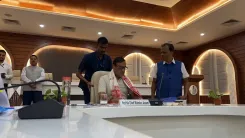
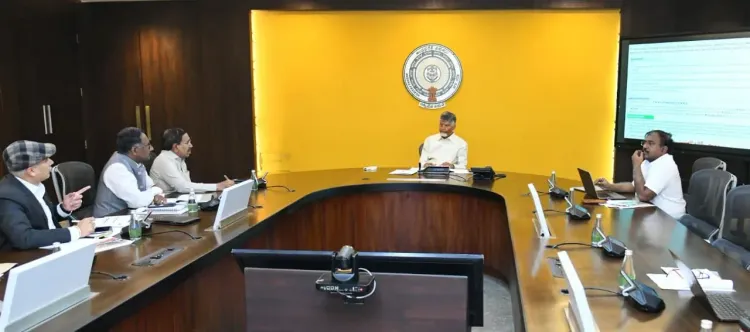
CM Naidu chairs 63rd CRDA meet on Amaravati land pooling
Synopsis
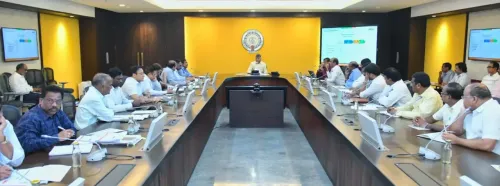
Chief Minister Chandrababu Naidu chaired the 63rd CRDA Authority meeting at the State Secretariat on 7 July 2026, deliberating on annuity payments and loan waivers for second-phase land-pooling farmers, Land Bank formation, and institutional land allocations in Amaravati as recommended by a Ministers' Committee.
Key Takeaways
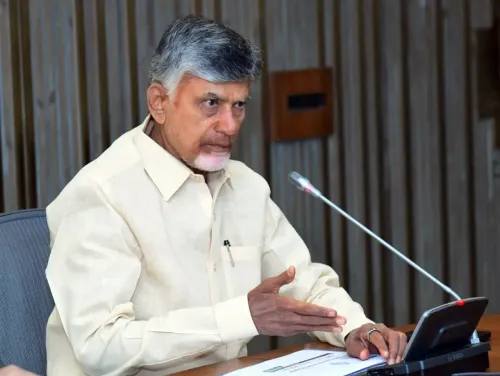
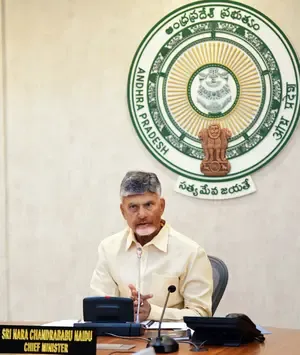
The 63rd CRDA Authority meeting was held on 7 July 2026 at the State Secretariat under CM Chandrababu Naidu's chairmanship.
Discussions covered annuity payments and agricultural loan waivers for farmers who gave land under the second phase of the pooling scheme .
Formation of a Land Bank for managing pooled land was on the agenda.
Land allocations to various institutions in the capital region, per Ministers' Committee recommendations , were also discussed.
Municipal Administration Minister P.
Narayana and Chief Secretary Sai Prasad were among those present.
The meeting signals renewed momentum in resolving farmer grievances tied to the Amaravati capital project , stalled during the 2019-2024 period.
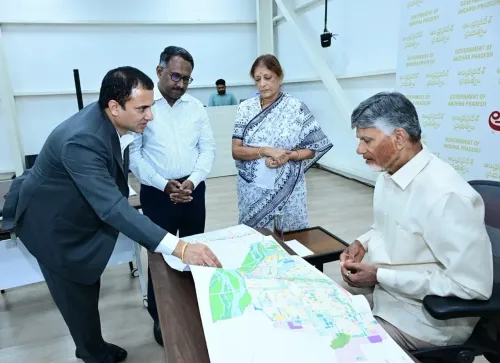
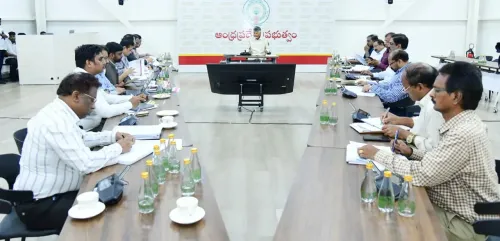
The Chief Minister's Office of Andhra Pradesh announced on Tuesday, 7 July 2026 that Chief Minister Nara Chandrababu Naidu presided over the 63rd Capital Region Development Authority (CRDA) Authority meeting at the State Secretariat, with discussions centred on pending obligations to farmers who contributed land under the second phase of the land pooling scheme.
Context
The meeting, held at the State Secretariat in Amaravati, took up three key agenda items: annuity payments to farmers who surrendered land in the second phase of pooling, agricultural loan waivers for those farmers, and the creation of a Land Bank. The official post noted that discussions also covered land allocations within the capital region to various institutions, in line with recommendations made by a Ministers' Committee.
Municipal Administration Minister P. Narayana, Chief Secretary Sai Prasad, and senior officials from multiple departments attended the meeting.
Policy Backdrop
The Amaravati capital city project was first launched in 2014-15 under the TDP government led by Naidu, with thousands of farmers in the Krishna delta region voluntarily pooling agricultural land in exchange for promised annuity payments and developed return plots. The scheme stalled significantly during the 2019-2024 YSRCP government, which proposed a three-capital model and redirected resources, leaving annuity disbursements and infrastructure timelines uncertain.
Since the TDP-led alliance returned to power in 2024, the government has re-committed to the single-capital Amaravati vision. The CRDA, the statutory body governing the capital region's planning and development, has been central to reviving these commitments.
Stakeholders and Impact
Farmers who contributed land under the pooling scheme — particularly those in the second phase — have long awaited clarity on annuity schedules and loan relief. The proposed Land Bank mechanism is intended to bring greater institutional order to how pooled land is managed and allocated to government bodies and other organisations.
Institutional land allocations in the capital region, guided by the Ministers' Committee's recommendations, are equally significant for determining the pace at which government buildings, public infrastructure, and civic amenities take shape in Amaravati.
What's Next
The discussions at the 63rd CRDA meeting are expected to feed into follow-up cabinet-level decisions on annuity disbursement timelines, the structure of agricultural loan waivers, and formal approval of institutional land allocations. The rollout of a functional Land Bank would mark a concrete administrative step toward resolving long-pending farmer grievances tied to the capital project. Observers will watch for formal government orders translating Tuesday's deliberations into binding policy.
Point of View
A constituency whose disillusionment could prove costly given the delays of the YSRCP era. The simultaneous focus on annuity payments, loan waivers, and a Land Bank suggests the government is trying to address farmer grievances on multiple fronts at once rather than piecemeal. The involvement of the Ministers' Committee in land allocation recommendations also indicates an attempt to build broader coalition buy-in for decisions that carry significant political and financial stakes. How quickly these deliberations translate into government orders will be the real measure of intent.
NationPress
6 Oct 2026
Frequently Asked Questions
What was discussed at the 63rd CRDA Authority meeting in Amaravati?
The meeting discussed annuity payments and agricultural loan waivers for farmers who contributed land under the second phase of the land pooling scheme, the creation of a Land Bank, and institutional land allocations in the capital region based on Ministers' Committee recommendations.
Who chaired the 63rd CRDA meeting on 7 July 2026?
Chief Minister Nara Chandrababu Naidu chaired the meeting at the State Secretariat.
What is the CRDA and why does it matter for Amaravati?
The Capital Region Development Authority (CRDA) is the statutory body responsible for planning and developing the Amaravati capital region. It oversees the land pooling scheme through which farmers surrendered agricultural land in exchange for annuity payments and return plots.
What is the Amaravati land pooling second phase?
The second phase of land pooling refers to a subsequent round of voluntary land contributions by farmers in the Amaravati capital region, following the initial phase launched in 2014-15. Farmers in this phase are awaiting clarity on annuity disbursements and loan relief.
What is the Land Bank proposed at the CRDA meeting?
The Land Bank is a proposed institutional mechanism to consolidate and systematically manage pooled land in the Amaravati capital region, facilitating orderly allocation to government bodies and other organisations.