CM Naidu Meets India's Singapore Envoy, Pitches AP Investment
Synopsis
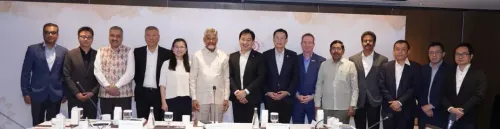
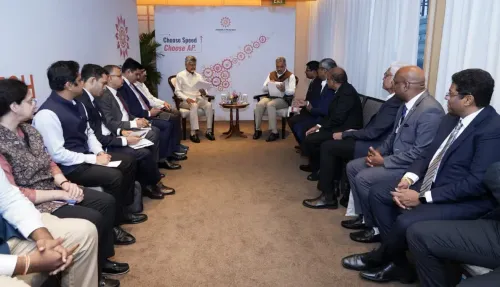
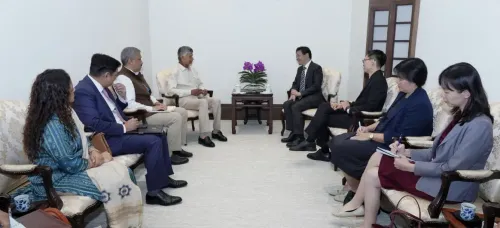
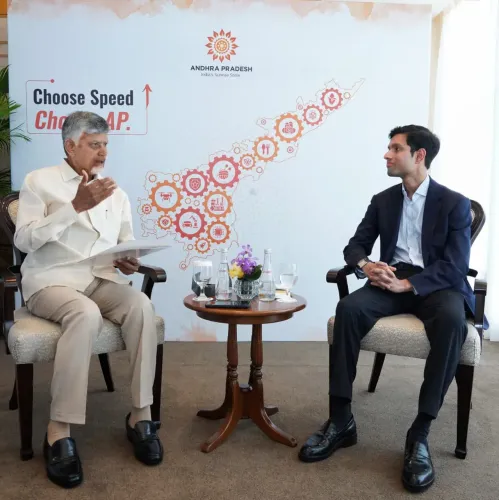
Andhra Pradesh Chief Minister N. Chandrababu Naidu met India's High Commissioner to Singapore, Dr. Shilpak Ambule, on 15 June 2026, pitching the state as a destination for investment across robotics, medical devices, aviation MRO, shipbuilding, and natural farming exports.
Key Takeaways
Chandrababu Naidu met Dr.
Shilpak Ambule , India's High Commissioner to Singapore, on 15 June 2026 .
Discussions covered investment, technology, advanced manufacturing, robotics, medical devices, education, innovation, aviation MRO, and shipbuilding .
Naidu highlighted Andhra Pradesh's Natural Farming Mission and the state's agricultural and horticultural export potential.
Singapore's Surbana Jurong had previously prepared the Amaravati master plan in 2015 , providing a foundation for bilateral engagement.
The outreach aligns with India's Act East Policy , with AP positioning itself as a sub-national gateway to Southeast Asian investment.
No signed agreements have been officially announced from this meeting.
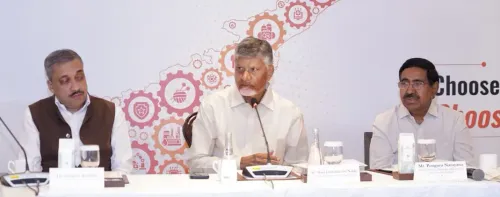
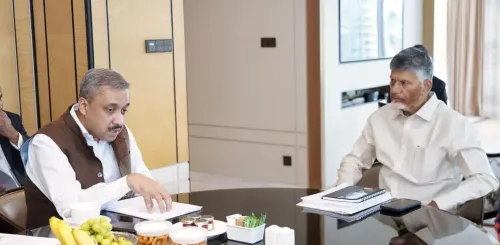
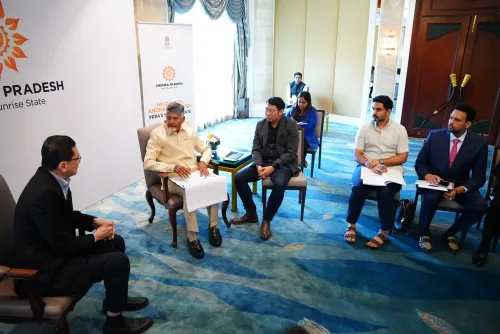
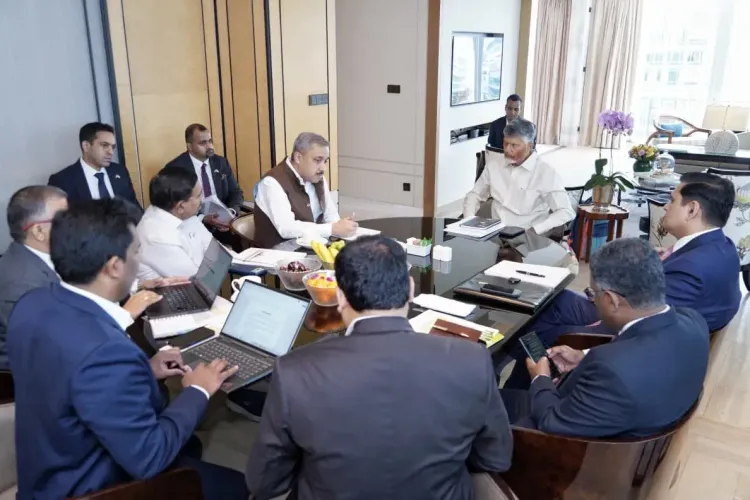
Andhra Pradesh Chief Minister N. Chandrababu Naidu met Dr. Shilpak Ambule, High Commissioner of India to Singapore, on Monday, 15 June 2026, to explore avenues for deepening Singapore's economic and technological partnership with the state. The discussions spanned a broad range of sectors including investment, advanced manufacturing, robotics, medical devices, education, innovation, aviation MRO, and shipbuilding.
Context
Chief Minister Naidu used the meeting to present Andhra Pradesh as a preferred destination for Singaporean capital and expertise, highlighting the state's ongoing reforms and infrastructure push. He also drew attention to the state's strides in natural farming and its growing portfolio of world-class agricultural and horticultural exports, signalling that the pitch extends beyond industrial corridors into high-value agri-sectors.
Naidu has long maintained Singapore as a reference point for technology absorption and urban planning standards, having led multiple investment roadshows to the city-state during his earlier term between 2015 and 2019. The hashtags #InvestInAP and #ChooseSpeedChooseAP accompanying his post reflect the state's continuing effort to brand itself as a fast-moving investment destination.
Policy Backdrop
The Andhra Pradesh–Singapore relationship carries historical weight. In 2015, Singapore-based Surbana Jurong prepared the master plan for Amaravati, the state's proposed capital city, establishing an early institutional link between the two sides. That engagement set the template for subsequent collaborations in urban infrastructure and precision engineering.
On the agriculture front, Andhra Pradesh launched its Natural Farming Mission in 2020, aimed at scaling chemical-free cultivation across several lakh acres. Naidu's decision to highlight this initiative alongside advanced manufacturing sectors reflects the dual-track growth strategy he has pursued since returning to office — pairing high-tech industrial ambitions with sustainable, export-oriented agriculture.
The outreach to Singapore also mirrors India's Act East Policy at the sub-national level, where individual states increasingly use diplomatic channels to attract Southeast Asian investment, supplementing the Centre's broader foreign economic engagement.
Stakeholders and Impact
The sectors discussed — robotics, medical devices, aviation MRO, and shipbuilding — represent high-employment, high-value industries that Andhra Pradesh is actively courting as it competes with neighbouring states for manufacturing investments. Singapore-headquartered firms with expertise in precision engineering and port-linked industries are among the natural candidates for follow-through engagement.
For agricultural exporters, the meeting signals continued government-level support for accessing premium international markets. Andhra Pradesh's horticultural produce, particularly from its coastal and Rayalaseema belts, has been positioned as export-ready under the natural farming brand. Singaporean agri-tech firms and food distribution networks could find partnership opportunities in this space.
Dr. Shilpak Ambule's role as High Commissioner makes this a formal diplomatic touchpoint, lending institutional weight to what might otherwise be a bilateral business conversation. The involvement of the High Commission suggests potential for structured follow-up through official bilateral mechanisms.
What's Next
The immediate outcome of the meeting — any agreements, letters of intent, or delegation schedules — has not been officially disclosed. Observers will watch for follow-up business delegations from Singapore and possible Memoranda of Understanding at upcoming forums such as the CII Partnership Summit or a dedicated AP–Singapore investment conclave.
Naidu's sustained engagement with Singapore across multiple terms suggests this meeting is part of a longer diplomatic arc rather than a standalone event. Whether it translates into on-ground investment commitments will depend on the follow-through mechanisms both sides put in place in the months ahead.
Point of View
Naidu is signalling that AP's investment story is no longer narrowly industrial — it now spans the full spectrum from robotics to agri-exports. This dual-track pitch is consistent with his post-2024 return to office, where he has sought to differentiate AP on both technology credentials and sustainable agriculture. The engagement also reinforces a sub-national dimension of India's Act East Policy, with state governments increasingly bypassing the wait for Central-level bilateral frameworks to court Southeast Asian capital directly.
NationPress
15 Sept 2026
Frequently Asked Questions
Why did CM Chandrababu Naidu meet Singapore's High Commissioner?
CM Naidu met Dr. Shilpak Ambule , India's High Commissioner to Singapore, to explore deepening Singapore's partnership with Andhra Pradesh across sectors including investment, robotics, medical devices, aviation MRO, shipbuilding, natural farming and education.
What sectors did Andhra Pradesh pitch to Singapore?
Andhra Pradesh pitched opportunities in investment, technology, advanced manufacturing, robotics, medical devices, education, innovation, aviation MRO, and shipbuilding , alongside its natural farming and agricultural export capabilities.
What is Andhra Pradesh's Natural Farming Mission?
Andhra Pradesh launched its Natural Farming Mission in 2020 to scale chemical-free cultivation across several lakh acres, aiming to produce premium, export-ready agricultural and horticultural produce.
What is the history of Singapore's involvement in Andhra Pradesh?
Singapore-based Surbana Jurong prepared the master plan for Amaravati , AP's proposed capital city, in 2015 . Naidu also led multiple investment roadshows to Singapore between 2015 and 2019 to attract investment in IT, electronics and logistics.
Were any agreements signed between Andhra Pradesh and Singapore at this meeting?
No signed agreements or Memoranda of Understanding have been officially announced from this specific meeting. Follow-up delegations or MoUs may be formalised at upcoming investment forums such as the CII Partnership Summit .