CM Chandrababu Meets Singapore PM on Tech, Agri Exports
Synopsis
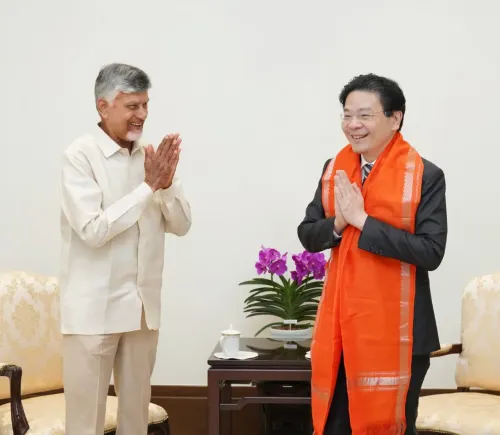
Andhra Pradesh Chief Minister Chandrababu Naidu met Singapore Prime Minister Lawrence Wong on June 15, 2026, seeking collaboration on semiconductors, AI, quantum technology and university research, while pitching exports of the state's horticulture and aquaculture products to Singapore.
Key Takeaways
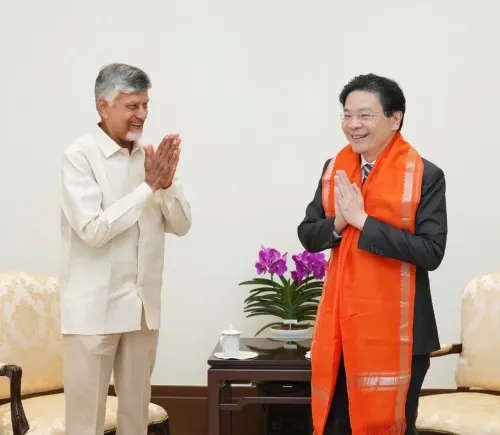
CM Chandrababu Naidu held a 30-minute courtesy meeting with Singapore PM Lawrence Wong on June 15, 2026 .
Naidu sought Singapore's support in building a semiconductor manufacturing ecosystem and capacity in Andhra Pradesh .
Cooperation was also requested in quantum computing, artificial intelligence , and university-level research .
The CM asked Singapore to consider importing Andhra Pradesh's horticulture and aquaculture products .
The meeting builds on earlier AP-Singapore ties forged during Naidu's 2014-2019 term, which included Amaravati planning and skill development MoUs.
Follow-up joint working groups on semiconductor talent and agricultural export standards are the key outcomes to watch.
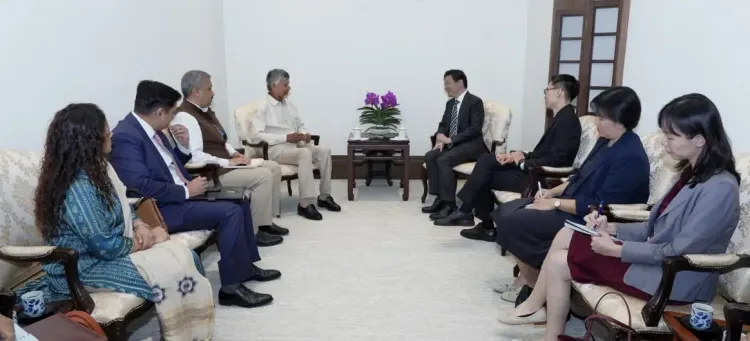
Chief Minister N. Chandrababu Naidu of Andhra Pradesh held a courtesy meeting with Singapore Prime Minister Lawrence Wong on Monday, June 15, 2026, seeking cooperation in semiconductors, artificial intelligence, quantum technology, and university research, while also pitching the export of the state's horticulture and aquaculture produce to Singapore.
Context
The meeting, which lasted 30 minutes, was announced by the Chief Minister's Office of Andhra Pradesh on X. The post, originally in Telugu, stated that "సెమీ కండక్టర్ల తయారీ ఎకోసిస్టమ్, కెపాసిటి బిల్డింగ్లో తోడ్పాటు ఇవ్వాలని సీఎం కోరారు" ('the CM requested support in the semiconductor manufacturing ecosystem and capacity building'). Naidu also requested that Singapore consider importing Andhra Pradesh's horticultural and aquaculture products.
Lawrence Wong, who assumed office as Singapore's Prime Minister in 2024, has continued the city-state's emphasis on high-technology partnerships with regional economies. The meeting reflects both leaders' stated interest in deepening bilateral economic ties beyond traditional trade.
Policy Backdrop
This engagement builds on a long history between Andhra Pradesh and Singapore. During Naidu's earlier tenure from 2014 to 2019, the state signed multiple agreements with Singapore entities for master planning of the proposed capital city Amaravati and for skill development programmes. Singapore firms played a visible role in urban planning consultations during that period.
The current outreach on semiconductors aligns with India's national semiconductor mission, under which states have been encouraged to develop local manufacturing ecosystems and talent pipelines. Andhra Pradesh has actively positioned itself as a preferred destination within this national push, leveraging its existing IT infrastructure and port connectivity.
Stakeholders and Impact
The discussions span two distinct constituencies. On the technology side, the ask covers semiconductors, quantum computing, artificial intelligence, and collaborative university research — areas where Singapore has established institutions and industry clusters that could support talent exchange and joint R&D with Andhra Pradesh.
On the agricultural side, Andhra Pradesh's horticulture and aquaculture sectors — which include major produce such as chillies, mangoes, and shrimp — stand to benefit if Singapore agrees to streamline import norms. Aquaculture exporters and horticulture farmers across coastal and inland districts of the state are the primary stakeholders watching this development.
Indian states have increasingly pursued independent economic diplomacy to attract foreign direct investment, and Andhra Pradesh's dual-track pitch — technology manufacturing alongside agricultural exports — reflects a deliberate effort to diversify the state's economic partnerships beyond the IT services sector.
What's Next
Follow-up steps to watch include the formation of joint working groups on semiconductor talent programmes and the establishment of sanitary and phytosanitary (SPS) standards that would allow Andhra Pradesh's horticultural and aquaculture goods to enter the Singapore market at scale. Any formal memoranda of understanding emerging from this meeting would mark a concrete outcome of the bilateral engagement.
The hashtags #InvestInAP and #ChooseSpeedChooseAP used in the official post signal that the state government intends to publicise this meeting as part of a broader investor-outreach campaign, suggesting further diplomatic and industry interactions may be in the pipeline.
Point of View
Logistics, and food safety standards makes it a credible interlocutor for both tracks. Whether this meeting translates into binding agreements will test how effectively Indian states can convert diplomatic access into durable FDI commitments.
NationPress
14 Sept 2026
Frequently Asked Questions
Why did CM Chandrababu Naidu meet Singapore PM Lawrence Wong?
CM Naidu met PM Wong to seek Singapore's cooperation in semiconductor manufacturing, AI, quantum technology, and university research, and to request that Singapore consider importing Andhra Pradesh's horticulture and aquaculture products.
What did Andhra Pradesh ask Singapore for in semiconductors?
Andhra Pradesh requested support in building a semiconductor manufacturing ecosystem and capacity-building programmes, aligning with India's national semiconductor mission.
What agricultural products does Andhra Pradesh want to export to Singapore?
Andhra Pradesh wants Singapore to import its horticulture and aquaculture produce, which includes products such as chillies, mangoes, and shrimp from the state's coastal and inland regions.
What is the history between Andhra Pradesh and Singapore?
During Naidu's earlier term from 2014 to 2019, Andhra Pradesh signed multiple agreements with Singapore entities for the master planning of the proposed capital Amaravati and for skill development, establishing a foundation for the current engagement.
Who is Lawrence Wong and why is this meeting significant?
Lawrence Wong became Singapore's Prime Minister in 2024 and has continued the country's focus on technology partnerships. His meeting with Naidu is significant as it signals potential deepening of state-level economic diplomacy between Andhra Pradesh and Singapore across both technology and agriculture.