NRLM drives women entrepreneurship in Kashmir via Food Service Enterprise
Synopsis
A women's Self-Help Group in Pulwama is running a Food Service Enterprise backed by NRLM and a Kudumbashree partnership — and it is already live in 12 J&K districts with a 20-district target. With ₹25,000 seed grants and vehicles for connectivity, this is one of the more concrete post-2019 development pushes in the Valley, measured not just in outlets opened but in a stated 'Lakhpati Didi' income benchmark.
Key Takeaways
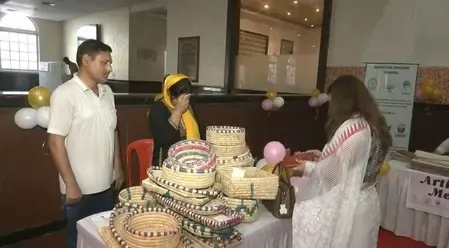
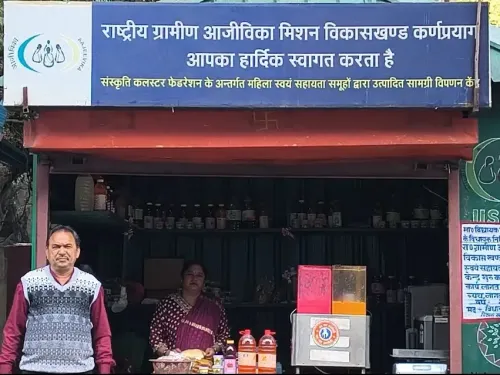
A Self-Help Group at Awantipora, Pulwama has launched a Food Service Enterprise (FSE) under NRLM support.
JKRLM signed an MoU with Kudumbashree–NRO to replicate the FSE model; currently active in 12 districts , targeting 20 .
Beneficiaries receive ₹25,000 in seed funding to start food business operations.
Under Ajeevika Gramin Express Yojana , vehicles have been provided to women in low-connectivity villages.
RDD Secretary Mohammad Aijaz Asad said the goal is to make SHG women 'Lakhpati Didis' — earning at least ₹1 lakh annually.
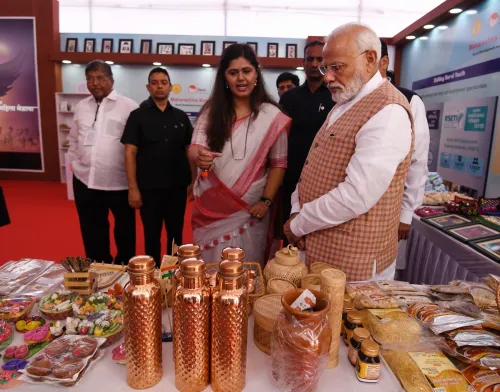
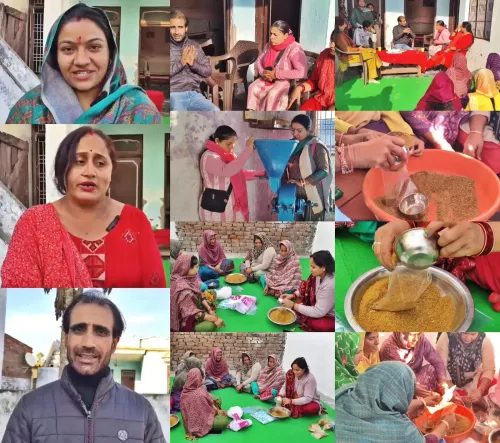
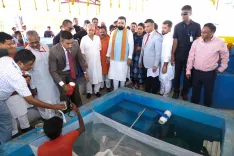
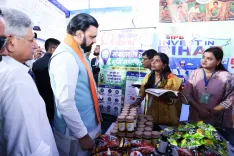
A Self-Help Group (SHG) at Awantipora in Pulwama district, Jammu and Kashmir, has established a Food Service Enterprise (FSE) under the National Rural Livelihoods Mission (NRLM), converting a grassroots livelihood scheme into a functioning business that generates income and employment for rural women. The development, reported on 8 August, illustrates how targeted institutional support can reshape economic outcomes in one of India's more remote regions.
How the Programme Works
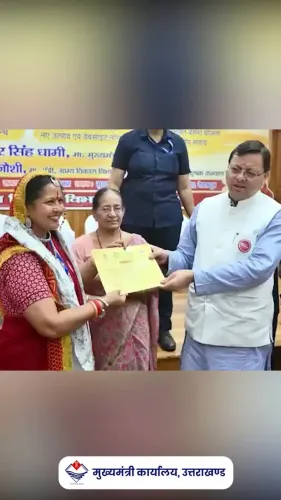
Mohammad Aijaz Asad, Secretary of the Rural Development Department (RDD), said the Jammu and Kashmir Rural Livelihoods Mission (JKRLM) signed a memorandum of understanding with Kudumbashree – National Resource Organisation (NRO), which brings specialist expertise in running food enterprises. The partnership model is already active across 12 districts, with a stated target of scaling to 20 districts across the Union Territory. Women SHG members manage the food outlets directly, giving them operational ownership rather than a passive beneficiary role.
Asad said the broader ambition goes beyond supplementary income. 'Our objective is that these women should not remain restrained to being earning members of SHGs but also become 'Lakhpati Didis' through these,' he stated, referring to the national goal of lifting SHG members to annual earnings of at least ₹1 lakh.
What JKRLM Is Delivering on the Ground
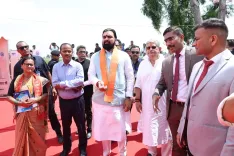
Shubhra Sharma, Mission Director of JKRLM, said the mission focuses on creating multiple livelihood streams simultaneously. Beyond the FSEs, the programme extends financial inclusion, credit linkage, and confidence-building support to enrolled women. Sharma noted that several villages in the region have minimal or no transport connectivity, and under the Ajeevika Gramin Express Yojana, vehicles have been provided to women to address this gap — with the formal inauguration conducted by the RDD Secretary.
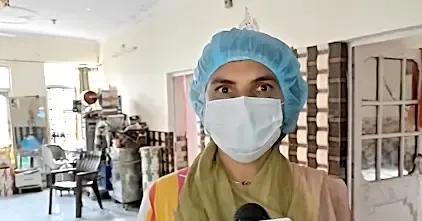
A beneficiary working at the Pulwama FSE said participants received ₹25,000 under the mission to seed their business operations, according to reports.
Why This Matters for Kashmir's Rural Economy
Pulwama and the wider Kashmir Valley have historically faced barriers to female workforce participation, including connectivity deficits and limited access to formal credit. The FSE model, borrowed from Kerala's Kudumbashree experience, attempts to transplant a proven framework into a distinct socio-economic context. Notably, this is not a standalone pilot — the simultaneous rollout across 12 districts signals institutional intent to embed the model at scale rather than limit it to a showcase initiative.
The NRLM, a Government of India flagship scheme, operates through state-level missions and has been credited with mobilising over 10 crore rural women into SHGs nationally. The J&K adaptation under JKRLM adds a post-Article 370 dimension, as the Union Territory administration has accelerated development outreach programmes since 2019.
What Comes Next
With 8 more districts yet to receive FSEs, JKRLM's expansion timeline will be a key indicator of programme momentum. Officials have not specified a deadline for the 20-district target, but the MoU with Kudumbashree-NRO provides an institutional backbone for replication. Sustained credit access and market linkages will determine whether these enterprises move beyond subsistence-level operations toward the 'Lakhpati Didi' threshold the government has set.
Point of View
And transplanting it to J&K is a structurally sound move. But the real question is sustainability beyond the seed grant: ₹25,000 is a starting point, not a business. The 'Lakhpati Didi' target demands market linkages, working capital cycles, and consistent demand — none of which a one-time grant guarantees. If JKRLM can demonstrate that FSE revenues are compounding rather than plateauing, this becomes a replicable template for post-conflict rural economies. If not, it risks being another well-photographed pilot that does not scale.
NationPress
8 Aug 2026
Frequently Asked Questions
What is the Food Service Enterprise launched under NRLM in Pulwama?
It is a women-managed food outlet established by a Self-Help Group at Awantipora in Pulwama district, supported by the National Rural Livelihoods Mission and run in partnership with Kudumbashree–National Resource Organisation. Beneficiaries receive ₹25,000 in seed funding and operational training to run the enterprise.
How many districts in J&K have Food Service Enterprises under JKRLM?
As of 8 August, FSEs are operational in 12 districts of Jammu and Kashmir, with JKRLM targeting expansion to 20 districts. The rollout is backed by an MoU between JKRLM and Kudumbashree–NRO.
What is the 'Lakhpati Didi' goal mentioned by the RDD Secretary?
'Lakhpati Didi' is a national target under NRLM to help SHG women earn at least ₹1 lakh annually through sustainable livelihood activities. RDD Secretary Mohammad Aijaz Asad stated this is the benchmark JKRLM wants FSE participants to reach, moving them beyond basic SHG membership income.
What is the Ajeevika Gramin Express Yojana mentioned in the programme?
It is a sub-scheme under JKRLM that provides vehicles to women in villages with poor or no transport connectivity, enabling them to access markets and livelihood opportunities. The vehicles were inaugurated by the RDD Secretary as part of the broader rural empowerment push.
Who is Kudumbashree and why is JKRLM partnering with it?
Kudumbashree is a Kerala-based National Resource Organisation with established expertise in running community-managed food enterprises. JKRLM signed an MoU with Kudumbashree–NRO to leverage this expertise in setting up and scaling Food Service Enterprises across Jammu and Kashmir.