Navy Chief Calls on Finance Minister Sitharaman
Synopsis
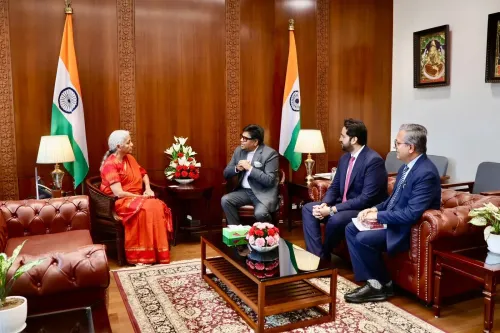
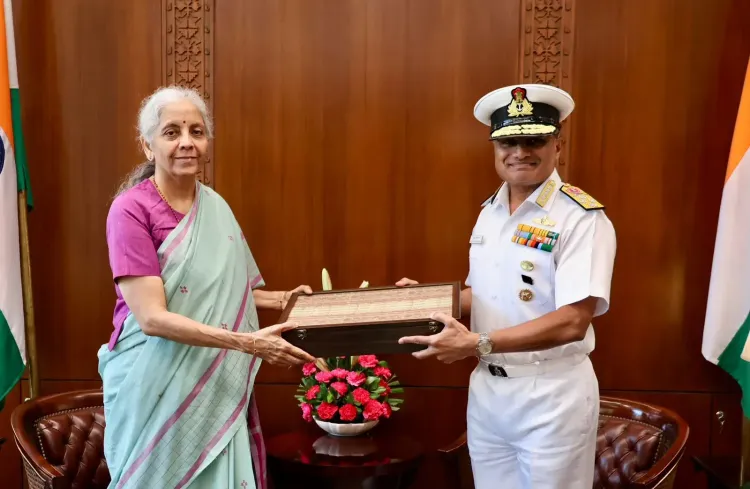
Admiral Krishna Swaminathan, Chief of the Naval Staff, called on Finance Minister Nirmala Sitharaman in New Delhi on 22 June 2026. The meeting underscores the Finance Ministry's pivotal role in clearing financial sanctions for naval acquisitions and aligning defence expenditure with India's broader fiscal priorities under the Atmanirbhar Bharat framework.
Key Takeaways
Admiral Krishna Swaminathan , Chief of the Naval Staff, met Finance Minister Nirmala Sitharaman on 22 June 2026 in New Delhi .
Such FM-Navy chief meetings are part of the annual defence budgeting cycle and address capital acquisition sanctions and budget execution.
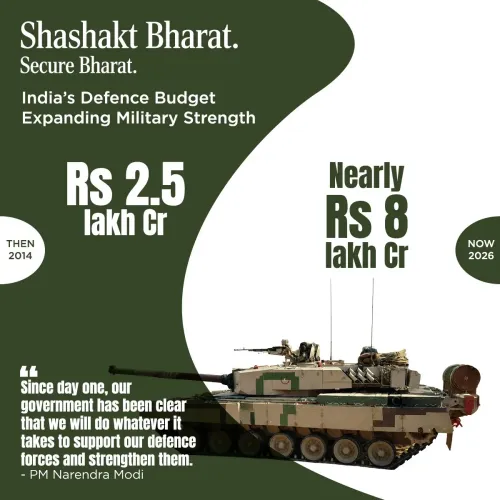
Union Budgets since 2019-20 have progressively raised defence capital outlay, with naval modernisation a key priority.
The 2020 Defence Procurement Procedure and Atmanirbhar Bharat policy have pushed domestic shipbuilding for warships, submarines and aircraft carriers.
The Finance Ministry holds a gatekeeping role over multi-year procurement commitments critical to the Indian Navy's force expansion plans.
The next Union Budget's defence capital allocation and any new naval procurement announcements will be closely watched.
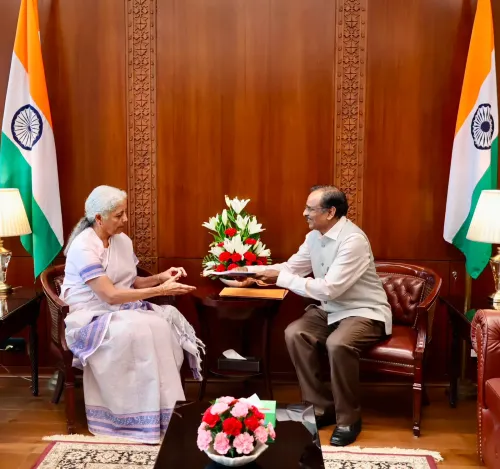
Union Finance Minister Nirmala Sitharaman received a courtesy call from Admiral Krishna Swaminathan, Chief of the Naval Staff of the Indian Navy, on Monday, 22 June 2026, in New Delhi. The meeting between the Finance Minister and the Navy chief reflects the ongoing coordination between the Finance Ministry and the armed forces on budgetary and procurement matters.
Context
Interactions between the Finance Minister and service chiefs are a recurring feature of India's defence planning cycle. Such meetings typically address budget execution, pending financial sanctions for capital acquisitions, and the alignment of defence expenditure with broader macroeconomic priorities. Admiral Swaminathan, as Chief of the Naval Staff, oversees the Indian Navy's operational readiness, force modernisation, and long-term capability planning across the Indian Ocean Region.
The Finance Ministry plays a central gatekeeping role in approving multi-year procurement commitments — ranging from warships and submarines to aircraft carriers — making direct engagement between the Navy chief and the Finance Minister a significant step in the acquisition pipeline.
Policy Backdrop
Union Budgets since 2019-20 have progressively raised the capital outlay for defence, with a sustained emphasis on naval modernisation and indigenous shipbuilding. The 2020 Defence Procurement Procedure and subsequent Atmanirbhar Bharat directives prioritised the domestic construction of major platforms, reducing reliance on foreign imports for critical naval assets.
Defence shipyards such as Mazagon Dock Shipbuilders and Garden Reach Shipbuilders and Engineers have been central beneficiaries of this policy shift, with orders for frigates, corvettes and submarines underpinning a broader push for self-reliance in maritime defence manufacturing. The Finance Ministry's role in clearing financial sanction for these programmes makes the FM-Navy interface a structurally important one.
Stakeholders and Impact
The primary stakeholders in such engagements include the Indian Navy, the Ministry of Defence, domestic defence shipyards, and the wider defence industrial base. For the Navy, timely financial sanctions translate directly into operational timelines for new vessel inductions and upgrades to existing fleet assets.
For the Finance Ministry, balancing naval capital requirements against fiscal consolidation targets and competing social sector demands remains a perennial challenge. The outcome of such consultations often shapes the contours of the defence capital budget well before the Union Budget is formally presented in Parliament.
What's Next
Attention will now turn to the next Union Budget and whether the defence capital outlay — particularly the naval share — sees a meaningful increase to support ongoing and planned acquisitions. Parliamentary committee deliberations on the Ministry of Defence's demands for grants will also be closely watched for signals on procurement priorities. Any formal announcements on new naval platforms or expanded indigenous shipbuilding contracts in the coming months will be seen in the context of this high-level engagement.
Point of View
Where the Finance Ministry's concurrence is a prerequisite for major capital sanctions. It signals that the Navy is actively engaging the fiscal establishment ahead of the next budget cycle, likely to press the case for accelerated funding of submarine and carrier programmes. Against the backdrop of sustained naval build-up in the Indian Ocean Region and heightened maritime competition, the timing of such engagements carries strategic weight beyond mere protocol. The encounter fits a broader pattern of the Modi government using high-visibility FM-service chief interactions to signal institutional seriousness about defence modernisation without pre-empting formal budget announcements.
NationPress
22 Jun 2026
Frequently Asked Questions
Why did the Navy Chief meet Finance Minister Nirmala Sitharaman?
Admiral Krishna Swaminathan called on Finance Minister Nirmala Sitharaman as part of the routine coordination between the armed forces and the Finance Ministry on budget execution, capital acquisition sanctions, and defence expenditure priorities.
Who is Admiral Krishna Swaminathan?
Admiral Krishna Swaminathan is the Chief of the Naval Staff of the Indian Navy, the top uniformed officer responsible for the Navy's operational command, modernisation, and strategic planning.
What is the Finance Minister's role in defence procurement?
The Finance Minister and the Finance Ministry must clear financial sanctions for major defence capital acquisitions, making their engagement with service chiefs a critical step in the procurement pipeline.
How has India's naval budget changed in recent years?
Union Budgets since 2019-20 have progressively raised the capital outlay for defence, with naval modernisation and indigenous shipbuilding — under the Atmanirbhar Bharat framework — receiving sustained policy and financial support.
What should we watch for after this meeting?
Key things to watch include the naval share of the defence capital budget in the next Union Budget, new announcements on submarine or aircraft carrier programmes, and parliamentary committee deliberations on the Ministry of Defence's demands for grants.