Debate Erupts in Lok Sabha Over Naxal Violence Blame Game
Synopsis
In a fiery Lok Sabha debate, BJP and opposition clash over Naxal violence, with accusations flying about responsibility and militarization, raising pressing questions about national security and personnel welfare.
Key Takeaways
Naxal violence remains a contentious issue in Indian politics.
The BJP blames the Congress for romanticizing Maoism.
Opposition MPs challenge the effectiveness of government militarization efforts.
Concerns regarding soldier welfare are highlighted amid ongoing debates.
Statistical evidence shows a significant increase in fortified police stations.
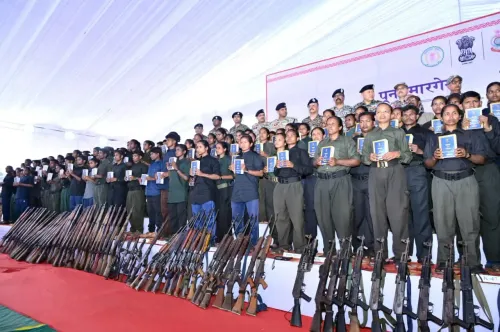
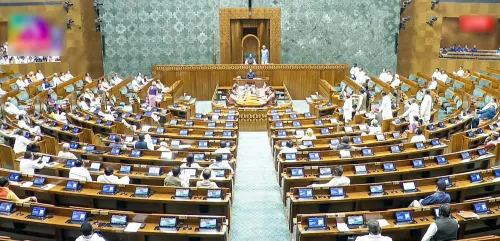
New Delhi, March 30 (NationPress) - A heated discussion unfolded in the Lok Sabha amidst the ongoing Budget Session, centering on Naxal/Maoist violence as a significant issue between the ruling and opposition parties.
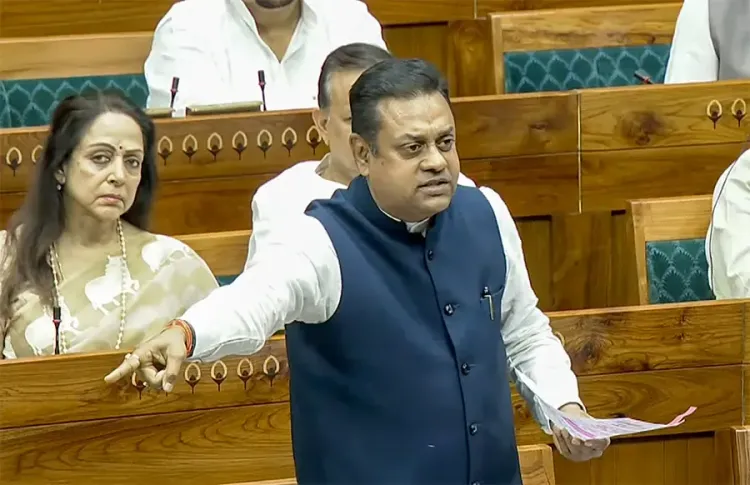
BJP MP Sambit Patra referenced former Prime Minister Manmohan Singh, labeling Maoism as the “most dangerous evil” facing India. He accused the Congress party of idealizing the movement, pointing to writer Arundhathi Roy’s characterization of Maoists as “Gandhians with guns.”
Patra contended that such perspectives demonstrate a misguided view of the threat, recalling the April 2, 2010, massacre in Chhattisgarh, which resulted in the deaths of 76 CRPF personnel—the highest single-day loss for Indian security forces.
“The Congress has committed a grave error,” Patra asserted, positioning the party’s history as having a role in compromising national security.
Mahua Moitra, an MP from the Trinamool Congress, emphasized government statistics showing the growth of fortified police stations in Maoist-affected regions from 66 in 2014 to 586 by December 2025.
She challenged the government’s assertions of a diminishing Maoist presence and a return to normalcy in Bastar, questioning why militarization persists if peace has truly been achieved.
“If peace is restored, why is there an increase in security?” she questioned, implying a disconnect between official statements and the realities on the ground.
Adding to the criticism, AAP MP Sanjay Singh accused the Modi government of neglecting the welfare of soldiers.
While debating the Central Armed Police Forces (General Administration) Bill, Singh expressed concern that troops protecting borders were suffering, unable to see their families during critical times.
He referenced reports by Murli Manohar Joshi and P. Chidambaram advocating for equal promotion opportunities between CRPF and IPS officers, arguing that the government has not enacted reforms to enhance morale.
As the BJP sought to attribute blame to policies from the Congress era and its intellectual allies, opposition MPs highlighted the current government’s militarized stance and disregard for the well-being of personnel.
This debate not only underscored the persistent menace of Maoist violence but also laid bare the political divisions regarding accountability, reform, and the delicate balance between security and normalcy.
Point of View
The Lok Sabha debate reflects deep-seated tensions between the ruling BJP and the opposition regarding Naxal violence. While the BJP focuses on past Congress policies, opposition voices challenge the effectiveness of current militarization efforts. A balanced analysis must consider accountability and the need for reforms that ensure both security and personnel welfare.
NationPress
19 Sept 2026
Frequently Asked Questions
What triggered the debate about Naxal violence in the Lok Sabha?
The debate was sparked by BJP MP Sambit Patra's comments linking Congress to the romanticization of Maoism, leading to discussions on national security and militarization.
What statistics did Mahua Moitra present?
Mahua Moitra highlighted that fortified police stations in Maoist-affected areas increased from 66 in 2014 to 586 by December 2025.
What are the main concerns raised by opposition MPs?
Opposition MPs questioned the government's claims of declining Maoist influence and highlighted the neglect of soldier welfare amid increasing militarization.
How did BJP MPs frame their arguments?
BJP MPs framed their arguments by blaming Congress for its past policies and perceived sympathies towards Maoism, emphasizing the need for accountability.
What is the significance of the Central Armed Police Forces Bill?
The Central Armed Police Forces Bill is significant as it addresses issues related to personnel welfare and promotion parity, which have been points of contention in the debate.