Lok Sabha Engages in Heated Debate on Left-Wing Extremism: BJP Claims Success, Congress Accuses of Credit Grabbing
Synopsis
In a heated session, the Lok Sabha debated the government's measures to tackle Left-Wing Extremism, revealing deep political divides over credit for progress and the sacrifices made by past administrations. This discussion reflects ongoing challenges in combating Maoist influence across India.
Key Takeaways
Intense debate in Lok Sabha over Left-Wing Extremism.
Maharashtra's initiatives in Gadchiroli were praised.
Congress questions the credit claims of the ruling party.
Historical sacrifices are being discussed.
Continued challenges in areas affected by extremism .
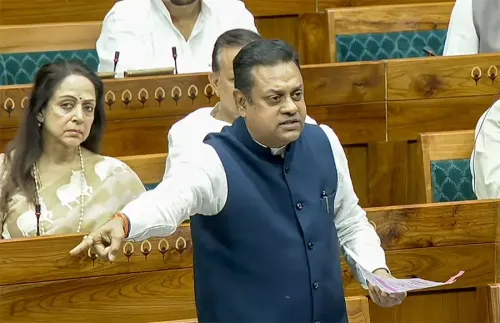
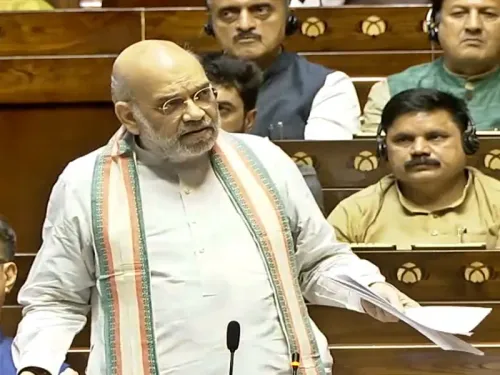
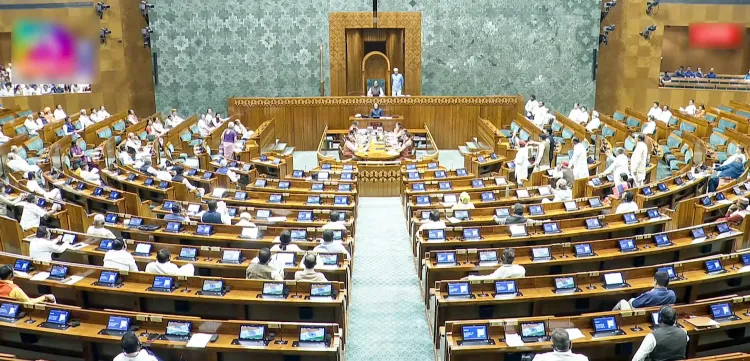
New Delhi, March 30 (NationPress) The Lok Sabha engaged in a vigorous debate on Monday regarding the government's strategies aimed at eliminating Left-Wing Extremism.
Shiv Sena MP Shrikant Shinde praised the initiatives taken by Maharashtra, especially in Gadchiroli, a district historically affected by Maoist insurgency. He remarked that the state government has made significant strides in combating Maoism. He highlighted that when Eknath Shinde served as the Guardian Minister of Gadchiroli, he personally visited the district to celebrate Diwali with the residents, symbolizing unity and faith in the government's outreach.
Shinde further emphasized that with Prime Minister Narendra Modi and Home Minister Amit Shah at the helm, the complete eradication of Maoism is now within reach.
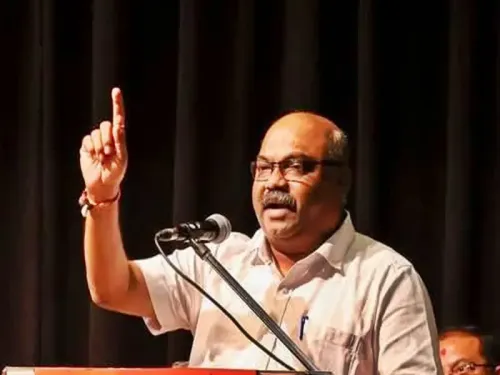
In contrast, Congress MP Saptagiri Sankar delivered a sharp counterargument. He questioned whether the ruling party was disregarding the sacrifices made by previous governments and the police forces who endured the consequences of Maoist violence.
“From the statements made by ruling MPs, one might assume that Home Minister Amit Shah personally eliminated Maoists, excluding everyone else's contributions,” he stated, accusing the government of claiming undue credit.
Sankar, representing a region still grappling with Left-Wing Extremism, reminded the House that Congress leaders in Chhattisgarh faced targeted killings in Maoist attacks from 2006 to 2009.
He pointedly inquired if anyone from the BJP had ever suffered losses during the freedom struggle or at the hands of Maoists, suggesting that the sacrifices of Congress members were being overlooked.
This debate revealed the political divisions regarding how credit is allocated in the battle against extremism.
While the ruling party underscored the importance of present leadership and state-level initiatives, the opposition urged acknowledgment of historical sacrifices and challenged the narrative of exclusivity.
The discussion highlighted both the achievements made in diminishing Maoist influence in areas such as Gadchiroli and the persistent challenges in regions where extremism still thrives.
It also mirrored the ongoing competition between ruling and opposition parties over historical legacies, political ownership, and the framing of national security successes.
Point of View
The Lok Sabha has illuminated the complexities of addressing Left-Wing Extremism in India. While the ruling party highlights current achievements, the opposition calls for recognition of historical contributions. This ongoing dialogue is crucial in shaping the narrative around national security.
NationPress
7 Oct 2026
Frequently Asked Questions
What is Left-Wing Extremism?
Left-Wing Extremism refers to armed insurgency in India, primarily led by Maoist groups that advocate for radical socio-economic changes.
What are the government's current strategies against Left-Wing Extremism?
The government is focusing on a combination of military action, community outreach, and development programs to combat Left-Wing Extremism.
Why is the credit for combating Maoism disputed?
The ruling party claims significant progress under current leadership, while the opposition argues that past efforts and sacrifices are being overlooked.
What role does Maharashtra play in the fight against Maoism?
Maharashtra, particularly Gadchiroli, has been a focal point in efforts to eradicate Maoist influence, with local initiatives making notable impacts.
How does this debate reflect broader political dynamics in India?
The debate highlights the ongoing tension between ruling and opposition parties over historical narratives and the ownership of national security efforts.