NCB destroys 61+ acres of illegal cannabis in Kullu, Himachal Pradesh

Synopsis
More than 61 acres of illegal cannabis have been destroyed in Kullu's high-altitude terrain in an NCB-led joint operation with ITBP, HP Police and the Forest Department — one of the largest such drives in Himachal Pradesh in recent memory, and a centrepiece of India's new narcotics control roadmap for 2026–29.
Key Takeaways
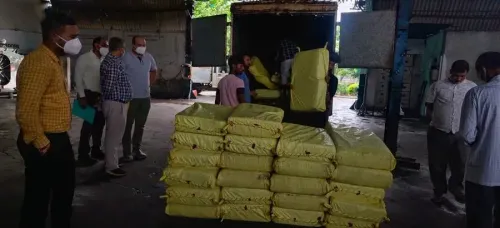
The NCB has destroyed over 61 acres of illegal cannabis in Kullu district , Himachal Pradesh .
The operation is a joint effort involving ITBP , Himachal Pradesh Police , and the State Forest Department .
Every stage is being geo-tagged and documented through photographs and videography for transparency.
The drive is part of the Vision Document on Narcotics Control (2026–29) , aimed at achieving a 'Nasha Mukt Bharat' .
Legal action will be initiated against all individuals found responsible for illegal cultivation.
The operation is ongoing, with more areas expected to be covered in the coming days.
The Narcotics Control Bureau (NCB) has launched a major crackdown on illegal cannabis cultivation in Kullu district, Himachal Pradesh, destroying more than 61 acres of illicit crops spread across remote, high-altitude terrain. The ongoing operation, which began as part of the national Vision Document on Narcotics Control (2026–29), is being conducted jointly with multiple central and state agencies.
Key Developments
The joint drive is being carried out alongside the Indo-Tibetan Border Police (ITBP), Himachal Pradesh Police, and the State Forest Department. Teams are navigating difficult mountainous terrain to reach remote cultivation zones that have historically evaded enforcement due to rugged topography and limited accessibility.
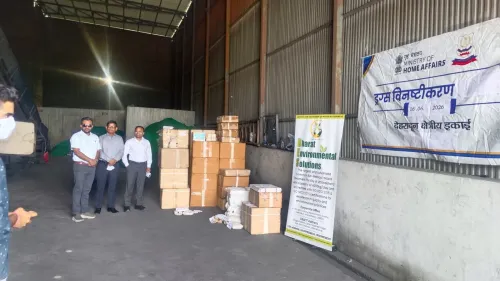
To ensure accountability, the NCB confirmed that every stage of the exercise is being geo-tagged and documented through photographs and videography. 'Teams are operating in difficult mountainous terrain, with the exercise being geo-tagged and documented through photographs and videography to ensure transparency. Legal action to follow against those responsible for illegal cultivation,' the NCB stated.
Strategic Context and National Framework
The operation is a central pillar of the Vision Document on Narcotics Control (2026–29), which charts a roadmap toward achieving a 'Nasha Mukt Bharat' (drug-free India) by targeting narcotics at their source. The strategy prioritises coordinated eradication of illicit cultivation through seamless collaboration between central and state agencies — a model that this Kullu operation exemplifies.
Cannabis cultivation in Himachal Pradesh's high-altitude zones has long challenged enforcement agencies. The Kullu district, in particular, has been associated with large-scale illicit crop growth for decades, partly owing to favourable natural conditions and difficult terrain that hampers ground access.
Inter-Agency Coordination
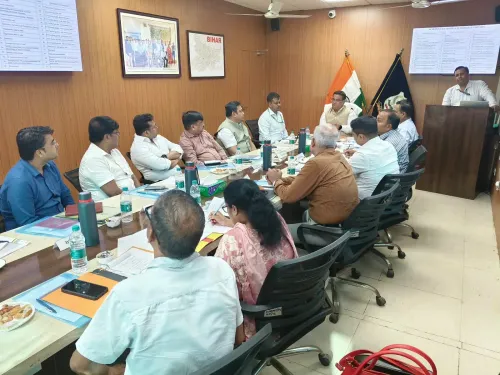
Officials emphasised that the NCB is providing operational leadership while drawing on the local knowledge and field strength of state police, ITBP, and forest department personnel. This model of inter-agency synergy, authorities noted, is critical to breaking the supply chain at its point of origin rather than intercepting drugs downstream.
Notably, this coordinated, multi-force approach marks an evolution from earlier eradication drives that were largely state-led and often faced resource and jurisdictional constraints. The geo-tagging and documentation protocol also addresses past criticism over the verifiability of destruction claims.
What Happens Next
Authorities confirmed that legal proceedings will be initiated against all individuals found responsible for the illegal cultivation. The operation is ongoing, and officials indicated that additional areas under illicit cultivation are expected to be covered in the coming days. The NCB reiterated its commitment to pursuing all cases through proper legal processes to their conclusion.
As the drive continues to expand its reach across Kullu's high-altitude belt, the success of this phase is being viewed as a measurable milestone in India's broader campaign to eliminate illicit drug cultivation at source.
Point of View
Largely because enforcement was piecemeal and verification opaque. The NCB's decision to geo-tag and document every stage of this operation is a direct response to that credibility gap — and signals that the Centre is treating accountability as seriously as eradication. The harder question, however, is whether destroying standing crops disrupts the supply chain in any durable way without simultaneous action on local economic alternatives for cultivation-dependent communities. Without livelihood interventions, eradication alone risks being a cycle of destruction and re-cultivation rather than a structural solution.
NationPress
28 Sept 2026
Frequently Asked Questions
What is the NCB's cannabis eradication operation in Kullu about?
The Narcotics Control Bureau has destroyed more than 61 acres of illegally cultivated cannabis in remote, high-altitude areas of Kullu district, Himachal Pradesh, as part of an ongoing joint operation with ITBP, Himachal Pradesh Police, and the State Forest Department. The drive aims to break the narcotics supply chain at its source.
Which agencies are involved in the Kullu cannabis eradication drive?
The operation is led by the Narcotics Control Bureau (NCB) and conducted jointly with the Indo-Tibetan Border Police (ITBP), Himachal Pradesh Police, and the State Forest Department. The NCB is providing operational leadership while other agencies contribute local knowledge and field strength.
How is transparency being ensured in this operation?
Every stage of the eradication exercise is being geo-tagged and meticulously documented through photographs and videography. This protocol was explicitly highlighted by the NCB to ensure accountability and verifiability of destruction claims.
What is the Vision Document on Narcotics Control (2026–29)?
It is a national roadmap outlining India's strategy to achieve a 'Nasha Mukt Bharat' (drug-free India) by targeting drugs at their source. A key pillar of this document is the coordinated eradication of illicit cultivation through collaboration between central and state agencies, of which this Kullu operation is a part.
Will legal action be taken against those responsible for illegal cultivation?
Yes, officials have confirmed that legal proceedings will be initiated against all individuals found responsible for the illegal cannabis cultivation. Authorities have stated their commitment to pursuing all cases through proper legal processes to their conclusion.