NDMC plants 612 trees, 50,200 shrubs across 34 sites in Delhi Mega Drive 2026
Synopsis
Despite covering just 3% of Delhi's land area, the NDMC accounts for 55% of the capital's green cover — and on 7 July it added over 612 trees and 50,200 shrubs across 34 sites in a single day. The Mega Plantation Drive 2026, backed by political leaders and residents alike, signals a deliberate push toward native-species planting for air quality and urban biodiversity, not just aesthetics.
Key Takeaways
NDMC conducted its Mega Plantation Drive–2026 on 7 July 2026 across 34 locations in New Delhi.
More than 612 trees and 50,200 shrubs of native and ornamental varieties were planted.
Over 50,000 plantation pits were scientifically prepared in advance to support the drive.
The NDMC manages nearly 1,450 acres of green areas and contributes roughly 55% of Delhi's total green cover despite covering only 3% of its land area.
Key participants included NDMC Chairman Keshav Chandra , Vice-Chairman Kuljeet Singh Chahal , MLA Parvesh Verma , and MP Bansuri Swaraj .
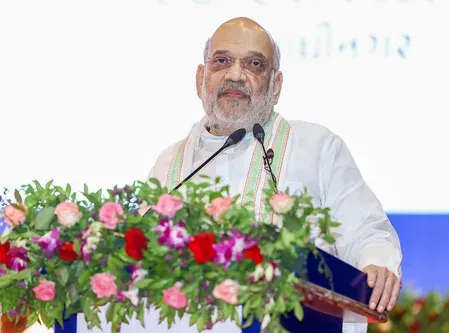
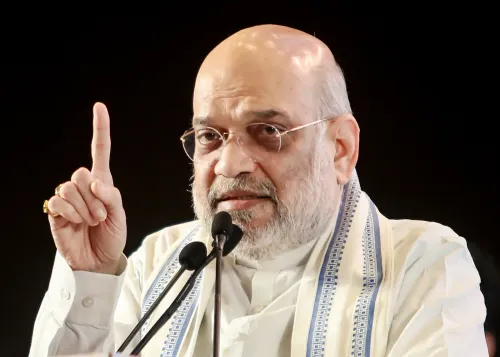
The drive was part of a citywide campaign inaugurated by Union Home Minister Amit Shah .
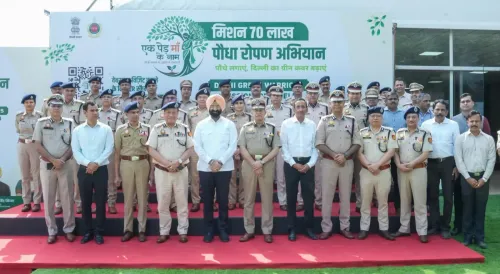
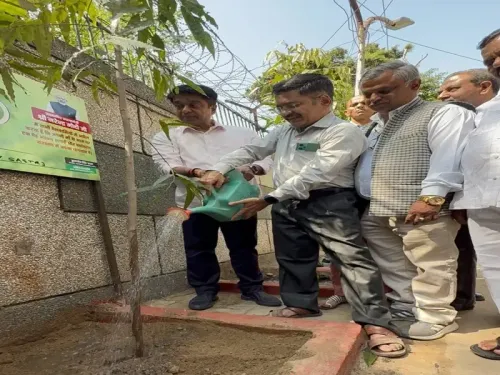
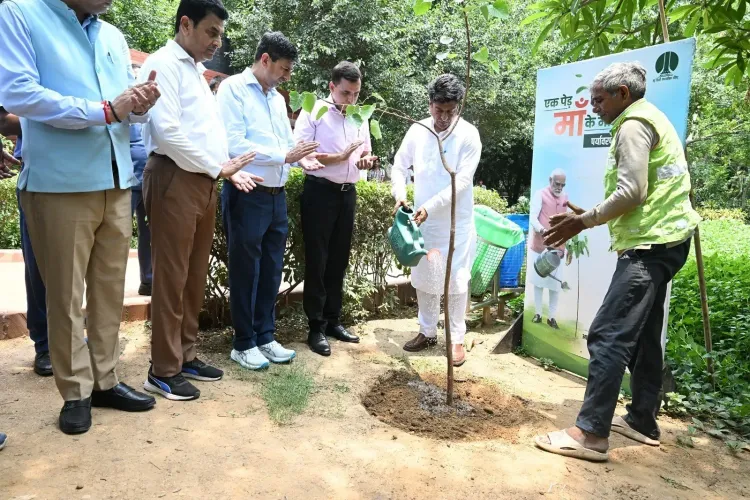
The New Delhi Municipal Council (NDMC) on Tuesday, 7 July 2026, rolled out its Mega Plantation Drive–2026 across 34 locations under its jurisdiction, with NDMC Chairman Keshav Chandra leading the effort as part of a citywide green campaign inaugurated by Union Home Minister Amit Shah. The drive saw the planting of more than 612 trees and 50,200 shrubs of native and ornamental varieties across the council's green spaces.
Scale and Preparation
To support the scale of the operation, more than 50,000 plantation pits were scientifically prepared well in advance, according to an official statement. The drive spanned NDMC's 1,450 acres of maintained green areas — a network that includes six iconic parks, 122 colony parks, 981 CPWD-maintained parks, 52 school green areas, 51 roundabouts, 14 market gardens, and around 15,000 avenue trees.
Species Focus and Biodiversity Goals
NDMC Vice-Chairman Kuljeet Singh Chahal said the drive prioritised ecologically significant native species — Peepal, Neem, Jamun, Imli, Champa, Ashoka, Gulmohar, and Amaltas — alongside biodiversity-enhancing shrubs such as Hamelia, Justicia, Canna, Lily, and Murraya. 'The initiative aimed not only to expand green cover but also to enrich urban biodiversity, improve air quality and create aesthetically vibrant public spaces,' Chahal said.
Where Leaders Planted
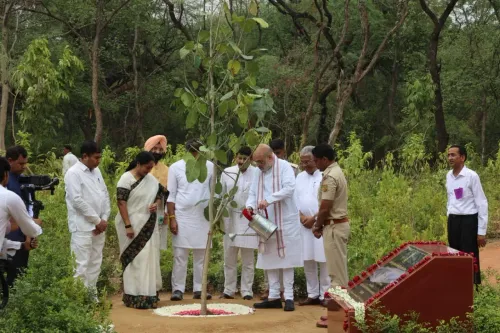
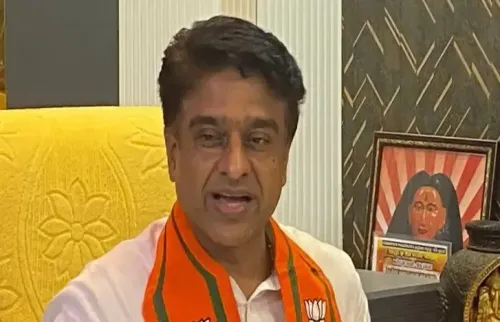
Delhi legislator and New Delhi MLA Parvesh Verma planted a sapling at India Gate's Children's Park, while Bharatiya Janata Party (BJP) Member of Parliament Bansuri Swaraj planted at Sanjay Jheel Park in Laxmibai Nagar. NDMC Chairman Keshav Chandra planted at Nehru Park, and Vice-Chairman Chahal led the plantation at Lodhi Garden. NDMC member Anil Valmiki participated at Talkatora Garden, NDMC Member D.P. Singh at Central Park, Connaught Place, and NDMC member Sarita Tomar at Veer Savarkar Park on Lodhi Road.
Community Participation
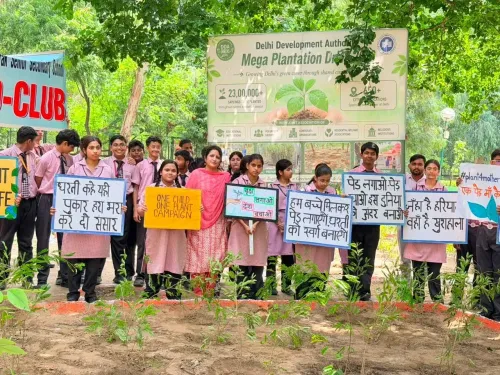
The campaign drew participation from Resident Welfare Associations (RWAs), Market Traders Associations (MTAs), educational institutions, civil society organisations, and local residents — a model the NDMC described as Jan Bhagidari (people's participation). Notably, although the NDMC area covers only about 3% of Delhi's geographical footprint, it accounts for nearly 55% of the national capital's total green cover, making it one of India's greenest urban local bodies.
Broader Context
The Mega Plantation Drive–2026 is part of a wider push toward climate resilience and sustainable urban development in the capital. With Delhi's air quality consistently ranking among the worst in the world during winter months, initiatives that expand native tree cover carry long-term significance beyond aesthetics. The NDMC's emphasis on native species over ornamental monocultures reflects a shift toward ecologically functional greening rather than cosmetic landscaping.
Point of View
200 shrubs in a single day — but the more consequential detail is the species selection. Prioritising Peepal, Neem, and Jamun over ornamental monocultures is ecologically sound, but urban plantation drives in India have historically struggled with survival rates post-monsoon. The real metric to watch is not how many saplings were planted on 7 July, but how many are standing and healthy a year later. With Delhi's air quality crisis deepening each winter, the NDMC's 55% green-cover contribution gives it outsized responsibility — and outsized accountability.
NationPress
6 Oct 2026
Frequently Asked Questions
What is the NDMC Mega Plantation Drive 2026?
The NDMC Mega Plantation Drive–2026 is a large-scale urban greening initiative conducted by the New Delhi Municipal Council on 7 July 2026 across 34 locations under its jurisdiction. It involved planting more than 612 trees and 50,200 shrubs of native and ornamental varieties as part of a citywide campaign inaugurated by Union Home Minister Amit Shah.
How many trees and shrubs were planted in the NDMC drive?
More than 612 trees and 50,200 shrubs were planted during the drive. Over 50,000 plantation pits had been scientifically prepared in advance to support the scale of the operation.
Which tree species were planted during the drive?
The drive focused on ecologically significant native species including Peepal, Neem, Jamun, Imli, Champa, Ashoka, Gulmohar, and Amaltas, alongside ornamental and biodiversity-enhancing shrubs such as Hamelia, Justicia, Canna, Lily, and Murraya.
How much of Delhi's green cover does the NDMC manage?
Although the NDMC area covers only about 3% of Delhi's geographical area, it contributes nearly 55% of the national capital's total green cover. The council maintains approximately 1,450 acres of green spaces, including six iconic parks and around 15,000 avenue trees.
Who participated in the NDMC plantation drive?
Senior participants included NDMC Chairman Keshav Chandra at Nehru Park, Vice-Chairman Kuljeet Singh Chahal at Lodhi Garden, MLA Parvesh Verma at India Gate's Children's Park, and BJP MP Bansuri Swaraj at Sanjay Jheel Park. RWAs, MTAs, educational institutions, and local residents also took part.