Nepal flash flood in Rasuwa puts Bihar's Gandak River under watch
Synopsis
A glacial debris breach in Tibet triggered a flash flood through Nepal's Rasuwa district on Wednesday, sending floodwaters racing down the Bhote Koshi–Trishuli–Narayani–Gandak river chain toward Bihar. Six districts — from West Champaran to Vaishali — are now under watch, with the Valmikinagar Barrage serving as the critical chokepoint between Nepal's disaster and Bihar's floodplains.
Key Takeaways
A flash flood struck Nepal's Rasuwa district at around 9 am on Wednesday , reportedly triggered by a glacial debris obstruction in Tibet .
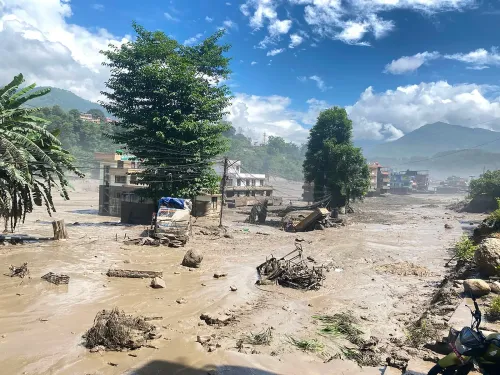
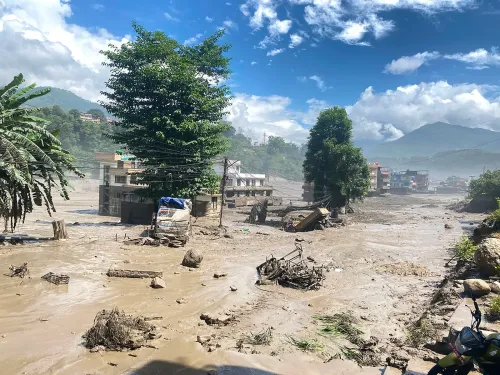
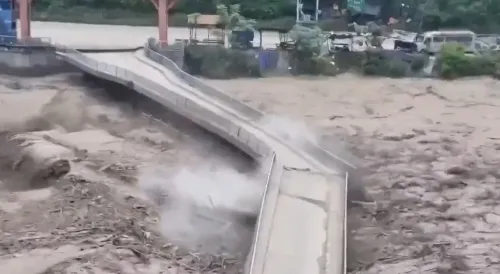
Areas including Timure , Syaphrubesi , and Rasuwagadhi suffered extensive damage; roads, bridges destroyed and a large number of people reported missing.
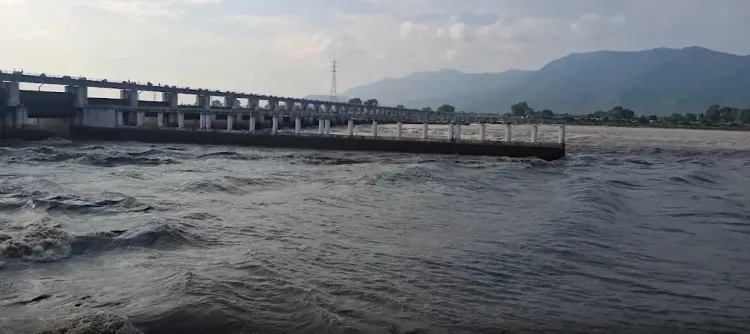
Floodwaters are flowing via the Bhote Koshi → Trishuli → Narayani → Gandak route, entering Bihar at Valmikinagar in West Champaran .
Six Bihar districts — West Champaran , East Champaran , Gopalganj , Siwan , Muzaffarpur , and Saran — are under heightened surveillance.
Officials say an immediate flood threat to Bihar would be 'premature' to declare; the Valmikinagar Barrage remains the key regulatory checkpoint.
A devastating flash flood that struck Nepal's Rasuwa district on Wednesday morning has placed Bihar authorities on heightened alert, owing to the directly connected river system that links the two regions. The floodwaters, which originated in Tibet, entered the Bhote Koshi River before cascading into the Trishuli River, then the Narayani River — known as the Gandak once it crosses into India — raising concerns about downstream impact across several Bihar districts.
What Happened in Nepal
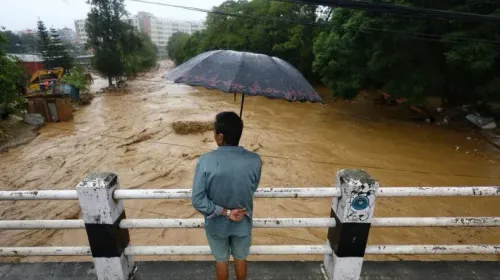
The flood struck around 9 am on Wednesday, causing extensive damage across areas including Timure, Syaphrubesi, and Rasuwagadhi. Roads, bridges, and other infrastructure were washed away, and a large number of people were reported missing. Nepali authorities indicated that the sudden surge originated in Tibet, with preliminary assessments suggesting that an obstruction caused by glacial debris may have given way abruptly.
How the River System Connects Nepal and Bihar
The river route, according to officials, can be broadly traced as: Tibet → Bhote Koshi → Trishuli → Narayani → Gandak → Ganga. The Gandak enters Bihar through Valmikinagar in West Champaran, making the Valmikinagar Barrage a critical regulatory point for water entering the state.
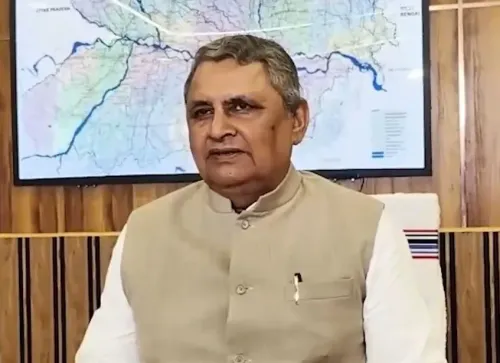
Officials were careful to note that flooding in Nepal does not automatically translate into immediate flooding in Bihar. 'The impact will depend on the volume of water moving downstream, rainfall, contributions from other rivers and the manner in which barrages regulate the flow,' an official said.
Districts Under Watch in Bihar
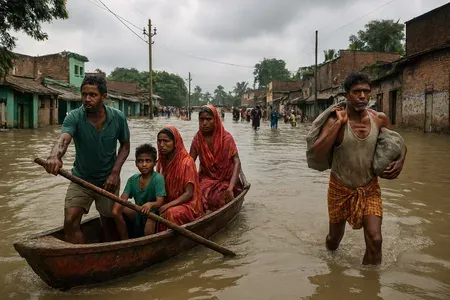
West Champaran is the primary district under surveillance, given that Valmikinagar is the Gandak's entry point into India. East Champaran's low-lying and riverside areas face elevated risks of flooding and erosion. Gopalganj, adjoining both Champaran districts, could face a flood threat if Gandak discharge rises sharply.
The Siwan district's low-lying areas connected to the Gandak system are also being monitored closely, given their proximity to Gopalganj. The western parts of Muzaffarpur district could experience increased waterlogging or erosion if river levels rise substantially. Further downstream, the Saran district — through which the Gandak passes before meeting the Ganga — places Chhapra under watch. The Gandak ultimately joins the Ganga near the Sonepur-Hajipur region in Saran and Vaishali districts respectively.
Official Assessment and Ongoing Monitoring
'As the flood wave moves through the river system, its intensity may change because of distance, river capacity, additional inflows and other hydrological factors,' an official noted. Authorities described the Valmikinagar Gandak Barrage as 'a critical point for monitoring and regulating the flow entering Bihar,' while adding that it would be 'premature to describe the Nepal flash flood as an immediate flood threat to Bihar' at this stage.
Nonetheless, heightened vigilance is being maintained along the Gandak's banks and in vulnerable low-lying areas as the situation continues to be assessed. How the flood wave evolves over the next 24 to 48 hours will be closely watched by disaster management officials across the affected districts.
Point of View
Meaning a glacial breach hundreds of kilometres away can set off a cascade that swamps Indian farmland within hours. What this event exposes is the chronic gap in real-time transboundary hydrological data-sharing between India, Nepal, and China. The Valmikinagar Barrage is a critical choke point, but its effectiveness depends on advance warning time — and that warning chain runs through diplomatic and technical channels that have historically been slow. Six districts on watch is not a crisis yet; it is a reminder that Bihar's flood calendar is written in Kathmandu and Lhasa as much as in Patna.
NationPress
27 Aug 2026
Frequently Asked Questions
What caused the Nepal flash flood that is affecting Bihar?
A flash flood struck Nepal's Rasuwa district on Wednesday morning, reportedly caused by a sudden breach of glacial debris obstruction in Tibet that released a surge of water into the Bhote Koshi River. The floodwaters then flowed downstream through the Trishuli and Narayani rivers, entering India as the Gandak River.
Which Bihar districts are under flood watch due to the Nepal flash flood?
Six Bihar districts are currently under heightened monitoring: West Champaran, East Champaran, Gopalganj, Siwan, Muzaffarpur, and Saran, along with riverside areas in Vaishali near the Gandak-Ganga confluence. West Champaran, where the Gandak enters India at Valmikinagar, is the primary concern.
Is Bihar facing an immediate flood threat from the Nepal disaster?
Officials say it would be premature to describe the Nepal flash flood as an immediate flood threat to Bihar. The actual impact will depend on the volume of water moving downstream, additional rainfall, contributions from other rivers, and how effectively the Valmikinagar Barrage regulates flow.
Why is the Valmikinagar Barrage so important in this situation?
The Valmikinagar Gandak Barrage is the point where the Gandak River enters Bihar from Nepal, making it the primary regulatory checkpoint for controlling how much floodwater enters the state. Authorities are closely monitoring water levels at the barrage to manage downstream risk.
What damage has the Nepal flash flood caused so far?
The flood caused extensive damage in Timure, Syaphrubesi, and Rasuwagadhi in Nepal's Rasuwa district, washing away roads, bridges, and other infrastructure. A large number of people were reported missing as of Wednesday; Nepali authorities are conducting preliminary assessments.