Nepal flash floods: 1,252 dead, rebuilding begins after worst disaster in decades
Synopsis
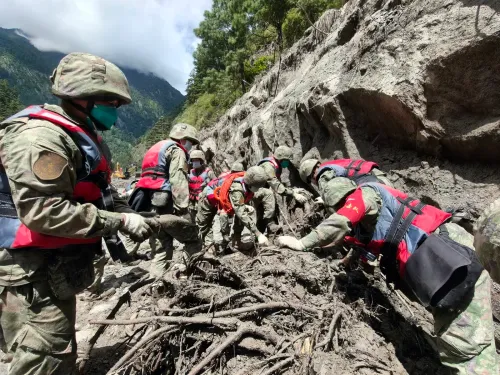
Nepal's deadliest flood disaster in recent memory has killed at least 1,252 people, with thousands still missing. Even as rescue operations continue, the country is pivoting to reconstruction — including a five-day army bridge-build to restore a severed Kathmandu link — while families wait outside hospital morgues for news of the missing.
Key Takeaways
Nepal flash floods have killed at least 1,252 people , with thousands still missing as of 4 September .
Bidur Municipality Mayor Rajan Sreshth confirmed 10 of 13 wards fully affected; over 3,000 people sheltering in 17 holding centres .
The Nepal Army is building a 57.5-metre , 70-tonne capacity iron bridge to restore the severed Devighat–Kathmandu road link, expected to be completed in five days .
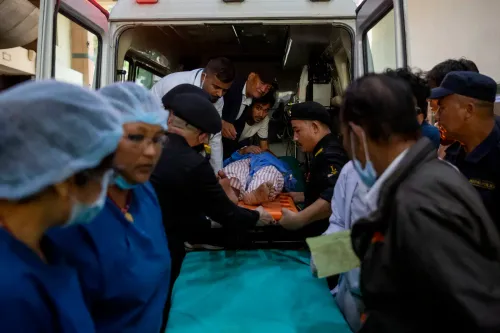
Family members of the missing have gathered at Tribhuvan University Teaching Hospital in Kathmandu, with many bodies still unidentified.
India was among the first responders, providing financial assistance for relief, rescue, and rehabilitation, according to Mayor Sreshth.
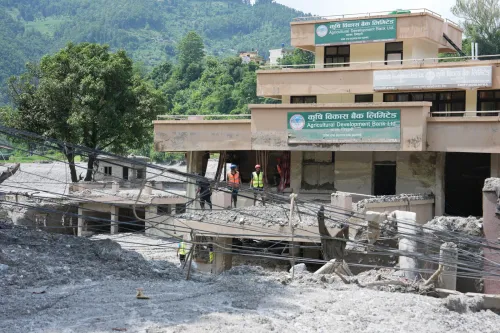
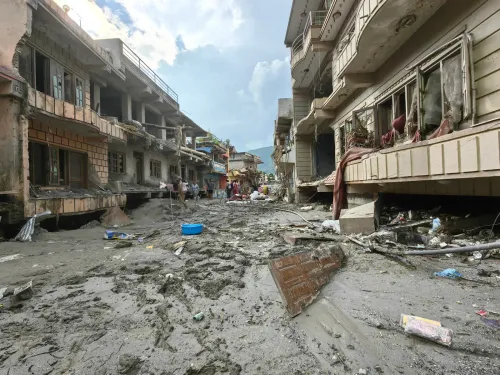
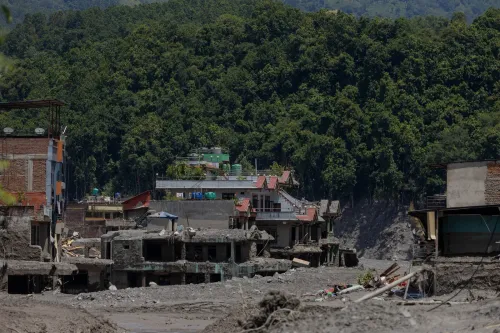
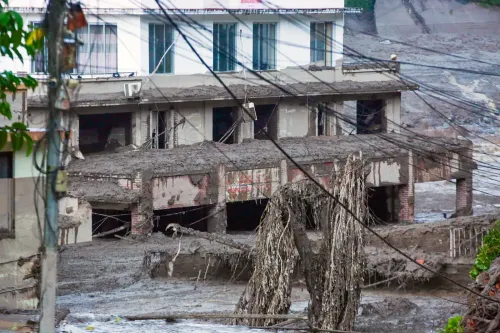
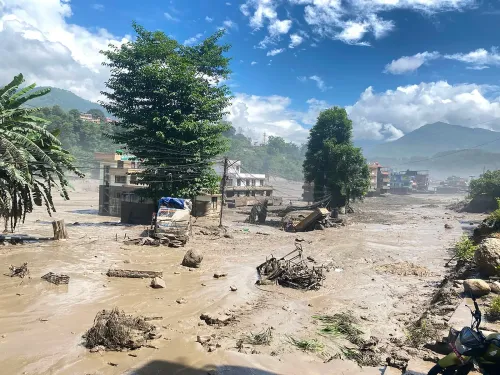
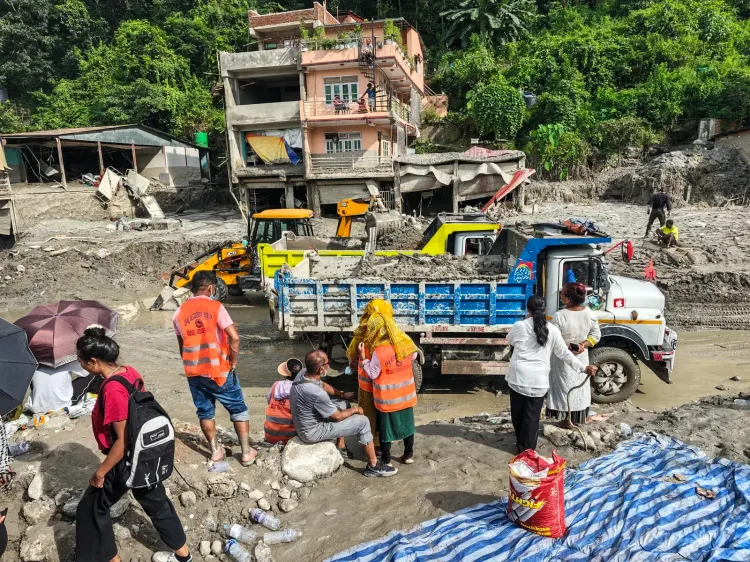
More than a week after catastrophic flash floods tore through Nepal, the death toll has climbed to at least 1,252, with thousands still unaccounted for, as the country shifts focus from emergency rescue to the long and arduous task of rebuilding lives and restoring destroyed infrastructure. The floods, described by local officials as the worst natural disaster many Nepalis have ever witnessed, have left entire communities displaced and critical road links severed.
Scale of Destruction
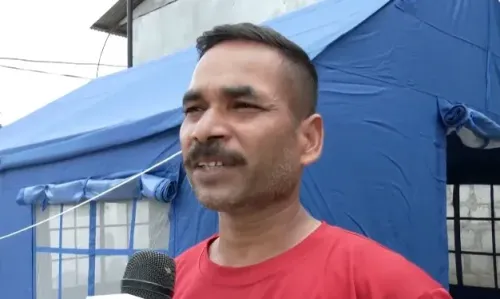
Bidur Municipal Corporation Mayor Rajan Sreshth said the scale of devastation was unlike anything residents had experienced. 'Property damage is extensive. Bidur Municipality is one of the worst-affected areas; among the 13 wards in our municipality, 10 are fully affected,' he said. Rescue and relief operations remain ongoing, with approximately 17 holding centres in the area currently sheltering more than 3,000 displaced residents. The municipality is now turning its attention to restoration planning for properties that have been destroyed.
Army Races to Restore Vital Bridge Link
The Nepal Army is constructing a 57.5-metre-long iron bridge with a 70-tonne load capacity to reconnect Devighat with Kathmandu via Gulchi — a crossing that collapsed in the floods, cutting off road connectivity and causing heavy infrastructure damage to surrounding areas. Bridge Commander Major Chiranjibi Chaulagain of the Nepal Army's Bridging Unit said work is progressing rapidly. 'We are now going to set up roller layout for the bridge. Today, we'll complete the roller layout system, and tomorrow early in the morning we will begin the bridge work,' he said. Construction is expected to be completed within five days.
Families Search for the Missing
In Kathmandu, the anguish of uncertainty is visible outside the morgue of Tribhuvan University Teaching Hospital, where family members of missing persons have gathered near posted notices and photographs. One relative described searching for a man who had travelled to Rasuwa district to deliver goods and whose vehicle broke down near Trishuli. 'While it was being repaired, a sudden heavy flood of water came, and since then, there is no trace of him... I even saw the bodies that came in vehicles, but they couldn't be identified,' the relative said. This scene is being repeated across multiple districts, reflecting the scale of human loss that official figures alone cannot capture.
India Steps Up as First Responder
Mayor Sreshth expressed gratitude to India for being the first country to respond to the crisis. 'From the beginning, India has been a true friend to us. Prime Minister Narendra Modi has always stood in favour of the people and interests of Nepal. Just like India provided aid during the earthquake in 2015, PM Modi and the Indian government have been sending financial assistance for relief, rescue, and rehabilitation efforts as our nation faces this natural calamity now. We express our gratitude and heartfelt thanks to PM Modi,' Sreshth said. This comes amid a broader pattern of India acting as Nepal's primary bilateral partner during natural disasters, a role that carries both humanitarian and diplomatic significance.
What Comes Next
With immediate rescue operations still underway in several districts, authorities face the dual challenge of accounting for the missing while simultaneously planning reconstruction. The restoration of road and bridge connectivity is considered the most urgent infrastructure priority, as severed links are hampering relief distribution to remote areas. The coming weeks will test Nepal's institutional capacity and the durability of international solidarity as the country moves from crisis response to long-term recovery.
Point of View
252 makes this one of Nepal's most lethal flood events in decades, yet the figure almost certainly understates the final count given the thousands still unaccounted for. What stands out is the speed at which local officials have pivoted to reconstruction rhetoric — a necessary signal of normalcy, but one that risks obscuring the scale of ongoing humanitarian need. The India-Nepal first-responder dynamic is worth watching: New Delhi's rapid aid deployment reinforces bilateral goodwill, but Nepal's reconstruction will require sustained multilateral financing that bilateral gestures alone cannot provide. The five-day army bridge timeline is ambitious; whether it holds will be an early test of institutional capacity in a recovery that will likely span years.
NationPress
4 Sept 2026
Frequently Asked Questions
How many people have died in the Nepal flash floods?
At least 1,252 people have been confirmed dead in the Nepal flash floods, with thousands more still reported missing as of 4 September . The toll is expected to rise as search operations continue in affected districts.
Which areas of Nepal were worst affected by the floods?
Bidur Municipality is among the worst-hit areas, with 10 of its 13 wards fully affected. Districts including Rasuwa and areas along the Trishuli river corridor also suffered severe damage, with road and bridge connectivity severed in multiple locations.
What is the Nepal Army doing to restore connectivity after the floods?
The Nepal Army's Bridging Unit is constructing a 57.5-metre-long iron bridge with a 70-tonne load capacity to reconnect Devighat with Kathmandu via Gulchi. The bridge, which collapsed during the floods, is expected to be rebuilt within five days .
How is India helping Nepal after the flash floods?
India was among the first countries to respond, providing financial assistance for relief, rescue, and rehabilitation operations. Bidur Municipality Mayor Rajan Sreshth credited Prime Minister Narendra Modi and the Indian government for their swift support, drawing a parallel with India's aid during Nepal's 2015 earthquake .
What is the current situation for displaced residents in Nepal?
More than 3,000 displaced residents are sheltering across approximately 17 holding centres in the Bidur area alone. In Kathmandu, families of missing persons have gathered at Tribhuvan University Teaching Hospital , where many flood victims remain unidentified.