Is the Government Opening Doors for New Airlines After IndiGo's Turmoil?

Synopsis
In a significant move to enhance competition in the Indian aviation sector, the government has granted initial approval to three new airlines following the recent turmoil caused by IndiGo's operational failures. This decision aims to address the dominance of existing carriers and improve service reliability for passengers.
Key Takeaways
Government supports competition in the aviation sector.
IndiGo's operational failures have raised questions about market dominance.
New airlines like Shankh Air , Al Hind Air , and FlyExpress aim to diversify options for travelers.
The aviation regulatory authority is taking steps to ensure compliance with safety regulations.
More airlines could lead to improved service quality .
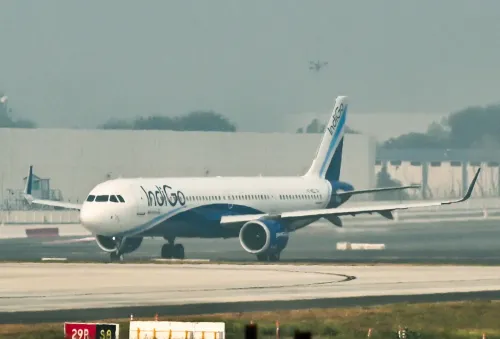
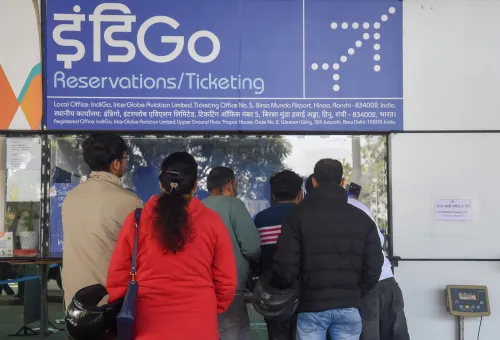
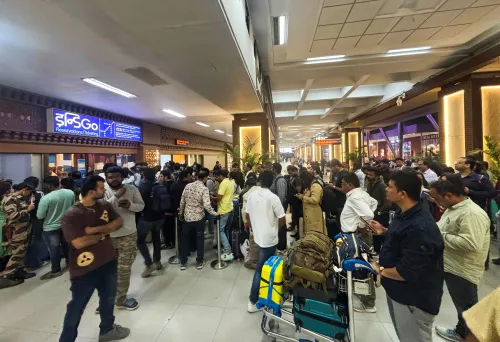
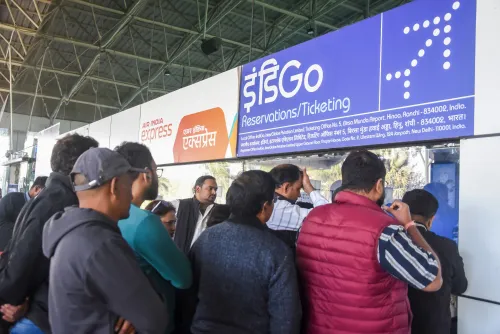
New Delhi, Dec 24 (NationPress) The government has provided preliminary approval for two new airlines to commence operations following the chaos involving IndiGo, which left passengers stranded for days nationwide and highlighted the dominance issues of the largest domestic carrier.
The civil aviation ministry issued a "no-objection certificate" to regional airlines - Shankh Air, Al Hind Air, and FlyExpress - this week, as announced by Union Minister Ram Mohan Naidu on X.
He emphasized the government’s commitment to fostering competition within the domestic aviation sector.
Al Hind Air, backed by the Kerala-based Alhind Group, aims to launch operations in southern India with a fleet of ATR Turboprop aircraft and is currently securing an Air Operator Certificate. FlyExpress has also indicated on its website that it will be "launching soon."
Shankh Air is anticipated to start commercial operations next year.
The domestic market in India predominantly operates as a duopoly, with IndiGo holding approximately 65% of the market share, followed by Air India at 27%. Smaller airlines like SpiceJet and Akasa account for the remaining portion.
Earlier this month, IndiGo had to cancel over 4,000 flights affecting major destinations such as Delhi, Mumbai, Hyderabad, and Bengaluru, primarily due to a shortage of crew.
This crisis stemmed from the implementation of the second phase of flight duty time limitations (FDTL) regulations, which caused significant disruptions in flight schedules.
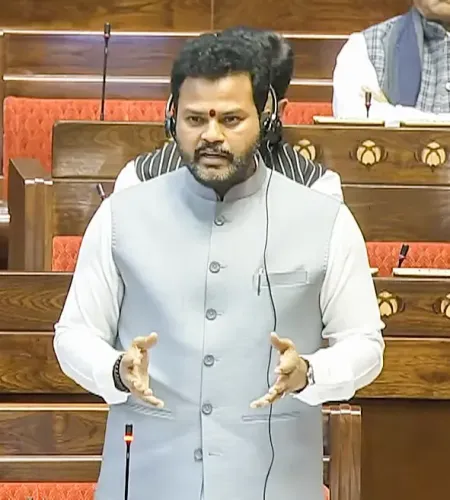
Union Civil Aviation Minister K. Rammohan Naidu noted in Parliament that the government is investigating IndiGo’s mass cancellations, which left thousands of passengers stranded. He assured that strict measures would be taken against the airline to serve as a warning to others.
The minister highlighted that the chaos resulted from an internal crisis at IndiGo after the introduction of new passenger safety regulations.
He reiterated the government's desire for more players in the aviation field, indicating that the nation has the capacity for five major airlines.
The turmoil was largely attributed to newly introduced flight safety measures aimed at addressing pilot fatigue, which necessitated the hiring of additional pilots.
IndiGo, operating 2,200 flights daily and historically focused on minimizing downtime, struggled with crew availability as these regulations took effect, leading to numerous cancellations and significant passenger inconvenience.
As the situation deteriorated, the Directorate General of Civil Aviation temporarily eased the new regulations until February to help the struggling airline restore its operations.
This crisis also raised concerns about the duopolistic nature of the Indian civil aviation market, dominated by IndiGo and Air India. However, the government clarified its ongoing support for the entry of new players into the aviation sector.
Point of View
This development signals a proactive approach by the government to ensure a competitive aviation landscape. Encouraging new entrants into the market not only mitigates the dominance of existing players but also enhances service quality for travelers. The recent disruptions faced by IndiGo underline the urgency for a more resilient and diverse aviation ecosystem in India.
NationPress
7 Oct 2026
Frequently Asked Questions
What prompted the government to approve new airlines?
The government approved new airlines in response to the operational chaos caused by IndiGo, which stranded many passengers and highlighted issues of market dominance.
Which airlines have received approval?
The approved airlines are Shankh Air, Al Hind Air, and FlyExpress.
What is the significance of new airlines entering the market?
New airlines can increase competition, improve service quality, and provide more options for travelers.
How has IndiGo's situation affected the aviation market?
IndiGo's mass flight cancellations have raised concerns about the duopolistic nature of the market, with calls for more competitors.
What regulations contributed to IndiGo's operational issues?
The implementation of flight duty time limitations (FDTL) led to a crew shortage, resulting in numerous flight cancellations.