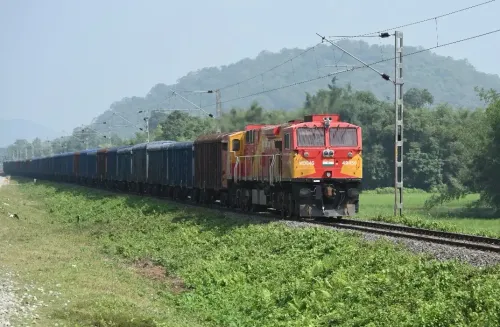
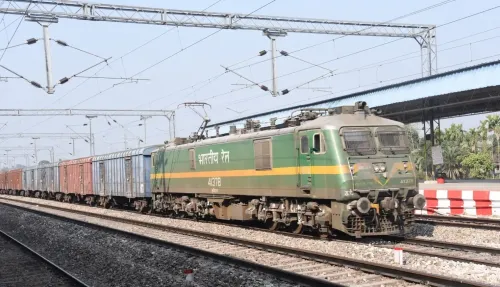
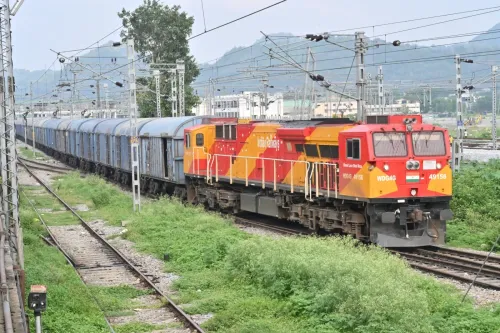
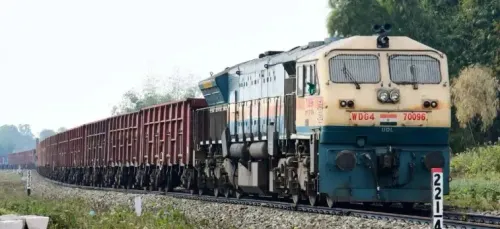
NFR unloads 1,034 freight rakes in May, Assam leads with 557
Synopsis
NFR unloaded 1,034 freight rakes in May 2026, with Assam alone absorbing 557 — more than half the zone's total. The numbers highlight how deeply the Northeastern economy depends on rail freight for everything from food grains to industrial coal, and how NFR's operational efficiency directly shapes supply chains across one of India's most logistics-challenged regions.
Key Takeaways
NFR unloaded 1,034 freight rakes in May 2026 , marking a steady start to FY 2026-27 .
Assam led all states with 557 rakes — 271 essential and 286 non-essential commodities.
Other Northeastern states: Tripura (74), Nagaland (34), Manipur (20), Arunachal Pradesh (10), Mizoram (8), Meghalaya (1).
West Bengal recorded 196 rakes and Bihar recorded 134 rakes .
Commodities moved included food grains, fertilisers, sugar, SNTP-coal, salt, and tank goods .
NFR operates across the Northeast, 7 districts of West Bengal , and 5 districts of north Bihar .
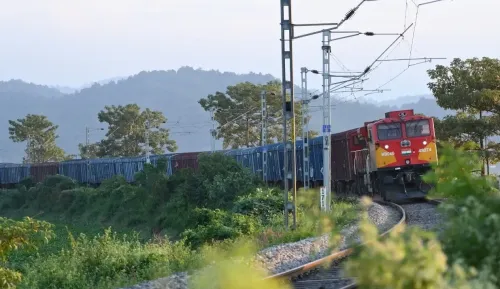
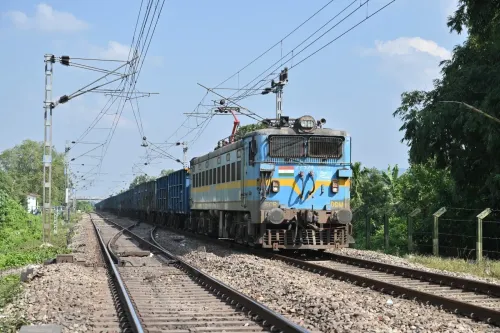
The Northeast Frontier Railway (NFR) sustained strong freight momentum in May 2026, unloading 1,034 freight rakes across its network — marking a steady start to the 2026-27 financial year and reinforcing the railway zone's critical role in supplying essential commodities to the Northeast, according to officials.
Key Freight Figures for May
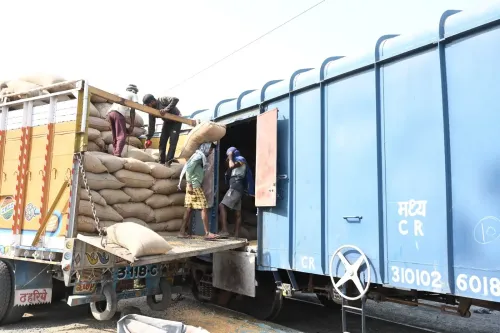
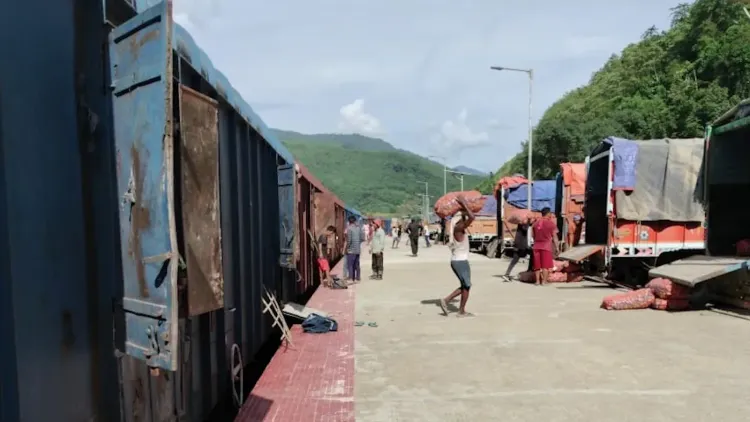
NFR's Chief Public Relations Officer (CPRO) Kapinjal Kishore Sharma confirmed the numbers on 7 June 2026, noting that the rakes carried a wide range of goods including food grains, food-grade items, fertilisers, sugar, SNTP-coal, salt, and tank goods. These consignments were processed at goods sheds spread across the zone's jurisdiction, ensuring timely supply and operational reliability.
Assam Leads, All Northeastern States Covered
Assam recorded the highest unloading activity at 557 rakes — comprising 271 rakes of essential commodities and 286 rakes of non-essential commodities. According to CPRO Sharma, this underscores railways' central role in supporting the state's public distribution systems, industrial activity, and daily consumer needs.
Among other Northeastern states, Tripura received 74 rakes, Nagaland recorded 34 rakes, Manipur received 20 rakes, Arunachal Pradesh received 10 rakes, Mizoram received 8 rakes, and Meghalaya recorded 1 rake.
West Bengal and Bihar Strengthen Regional Supply Chains
Beyond the Northeast, West Bengal accounted for 196 rakes and Bihar recorded 134 rakes of both essential and non-essential commodities. NFR, headquartered at Maligaon near Guwahati, operates not only across the Northeastern states but also in seven districts of West Bengal and five districts of north Bihar, making its freight network a regional economic backbone.
Operational Efficiency and Turnaround Improvements
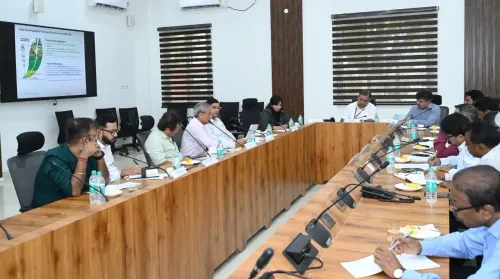
CPRO Sharma noted that close monitoring and coordinated efforts by field units have improved turnaround time and unloading efficiency across the zone. The improvements reflect NFR's stated commitment to reliable freight operations and the broader socio-economic development of the Northeast. This comes amid sustained demand for essential commodities in landlocked Northeastern states, where rail freight remains the most cost-effective mode of bulk supply.
With the financial year only in its early months, NFR's freight performance in subsequent quarters will indicate whether this pace can be sustained or improved upon.
Point of View
034-rake figure is operationally solid, but the more telling detail is Assam's 54% share of total unloading — a structural dependency that reflects both the state's size and the limited alternatives to rail in the region. NFR's freight network is less a commercial asset and more a public utility for the Northeast, where road and inland waterway infrastructure remains underdeveloped. Turnaround time improvements are welcome, but the zone's real test will come when demand spikes during flood season, when rail access to several stations becomes intermittent. Consistent freight performance in those months would be the more meaningful benchmark.
NationPress
19 Sept 2026
Frequently Asked Questions
How many freight rakes did NFR unload in May 2026?
NFR unloaded 1,034 freight rakes in May 2026, marking a steady start to the 2026-27 financial year. The rakes carried essential and non-essential commodities across the Northeast, West Bengal, and north Bihar.
Which state received the most freight from NFR in May 2026?
Assam received the highest number of freight rakes at 557, comprising 271 rakes of essential commodities and 286 rakes of non-essential commodities. This accounted for more than half of NFR's total May unloading.
What commodities does NFR transport across the Northeast?
NFR transports a range of essential and industrial goods including food grains, food-grade items, fertilisers, sugar, SNTP-coal, salt, and tank goods. These are critical for public distribution systems and industrial activity across the Northeastern states.
Which other states fall under NFR's freight network?
Beyond the Northeastern states, NFR operates in seven districts of West Bengal and five districts of north Bihar. In May 2026, West Bengal recorded 196 rakes and Bihar recorded 134 rakes unloaded.
How has NFR improved its freight operations?
According to CPRO Kapinjal Kishore Sharma, NFR has improved turnaround time and unloading efficiency through close monitoring and coordinated efforts by field units. These measures have strengthened operational reliability across the zone's goods sheds.