NGT orders mandatory FIRs for illegal sand mining in Odisha, directs GPS tracking
Synopsis
The NGT has done what local administrations in Odisha repeatedly refused to: drawn a hard line between administrative penalties and criminal prosecution for sand theft. By ordering FIRs statewide, putting the Chief Secretary personally on the compliance hook, and mandating public reporting of review minutes, the tribunal has effectively stripped the cover of nominal fines that allowed illegal sand mining along the Mahanadi to flourish.
Key Takeaways
The NGT Eastern Zone Bench on 3 November 2026 ordered mandatory FIRs under the Bharatiya Nyaya Sanhita for all illegal sand mining and transit cases in Odisha .
Enforcement squads had found 8,688 cubic metres of illegally mined sand during raids but failed to pursue criminal prosecution, settling violations with nominal fines instead.
Odisha Chief Secretary Anu Garg must personally chair quarterly mineral monitoring review meetings, with minutes uploaded to the official state portal.
Odisha DGP Vinaytosh Mishra and Baragada SP Rabindra Nath Satapathy have been directed to register immediate FIRs against the identified violator and ensure statewide FIR compliance.
All transport vehicles used in sand mining must carry operational GPS units and RFID tags ; unauthorised fleets face summary seizure.
Seized sand stocks are to be auctioned, with proceeds going to the Odisha State Pollution Control Board for ecological restoration; compliance reports due within three months .
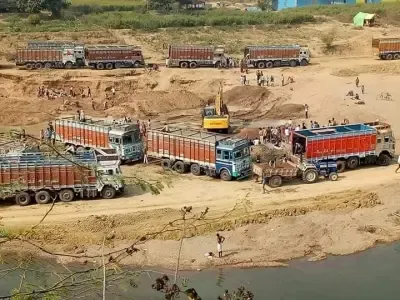
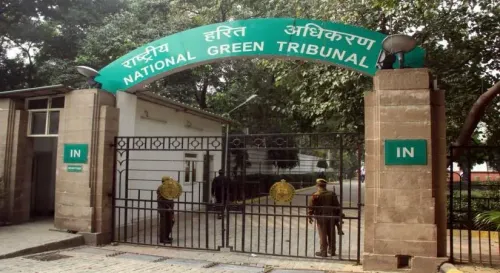
The National Green Tribunal (NGT) on 3 November 2026 issued stringent directives to the Odisha government, ordering mandatory registration of First Information Reports (FIRs) in all cases of illegal sand mining, mandatory GPS and RFID tracking on transport vehicles, quarterly high-level compliance reviews, and auction of all seized sand stocks. The order came while the tribunal's Eastern Zone Bench in Kolkata disposed of a petition filed by applicant Shivaji Patel over rampant illegal sand excavation along the Mahanadi river at Chikhili in Bargarh district.
What Triggered the Order
The petition alleged that a miner was illegally extracting and hoarding sand using suction pumps on boats without a valid lease, supplying material to construction projects and brick kilns in the region. Enforcement squads had already uncovered 8,688 cubic metres of illegally mined sand during raids on separate occasions, yet failed to secure criminal prosecution or seize machinery. The local administration had repeatedly settled violations through nominal penalties rather than pursuing criminal action — a pattern the tribunal found legally indefensible.
Key Directions Issued by the NGT
The bench ruled that administrative penalties cannot shield violators from criminal liability for the theft of state minerals. It established that compounding violations under the Mines and Minerals (Development and Regulation) Act settles only regulatory infractions and leaves statutory criminal liability intact. Sankar Pani, advocate for the applicant, quoted the tribunal as saying that 'local police and mining authorities are legally bound to register FIRs under the Bharatiya Nyaya Sanhita for the theft of state minerals.'
Baragada Superintendent of Police Rabindra Nath Satapathy was directed to register separate, immediate FIRs against the identified violator for all documented instances of illegal sand extraction and storage. Odisha Director General of Police Vinaytosh Mishra was ordered to ensure the immediate, mandatory registration of FIRs under relevant penal statutes for all cases of illicit sand mining and transit across the state.
Top-Level Accountability and Transparency Measures
Odisha Chief Secretary Anu Garg was directed to personally review mineral monitoring compliance at least once every quarter in a joint meeting with all concerned departments. The bench further ordered that the minutes and transparency reports of these review meetings be uploaded to the official state portal, placing the oversight mechanism on public record.
Vehicle Surveillance and Seized Sand Auction
To close enforcement loopholes in transit, the NGT directed state authorities to mandate operational GPS tracking units and RFID tags on all transport vehicles, with unauthorised fleets subject to summary seizure. All seized sand stocks are to be auctioned, with proceeds remitted to the Odisha State Pollution Control Board to fund ecological restoration. The state government and regulatory agencies have been asked to submit compliance reports within three months of receiving the order.
Broader Context
Illegal sand mining remains a persistent environmental and governance challenge across riverine districts in Odisha and several other Indian states. This comes amid repeated findings by courts and green bodies that nominal compounding fees have effectively incentivised continued violation. Notably, the NGT's intervention places direct accountability at the apex of the state bureaucracy — a departure from earlier orders that targeted only district-level officials. The compliance deadline and mandatory public reporting of review minutes are likely to face close scrutiny from environmental watchdogs.
Point of View
Not a district collector. For years, compounding fees under the MMDR Act served as a de facto licence to mine illegally, with violators pricing fines into their operating costs. By ruling that compounding does not extinguish criminal liability and ordering the DGP to enforce FIRs statewide, the tribunal has closed the administrative escape hatch. The real test will be compliance: Odisha has received earlier green directives on sand mining that generated reports without changing ground realities. The mandatory public upload of review-meeting minutes is the tribunal's attempt to build in external accountability — it deserves to be tracked.
NationPress
5 Nov 2026
Frequently Asked Questions
What has the NGT ordered regarding illegal sand mining in Odisha?
The NGT has ordered that FIRs under the Bharatiya Nyaya Sanhita be mandatorily registered for all cases of illegal sand mining and transit in Odisha, ruling that administrative penalties do not eliminate criminal liability. The tribunal also directed GPS and RFID tracking on all transport vehicles, quarterly high-level compliance reviews, and auction of seized sand stocks.
What was the specific case that led to the NGT order?
The order arose from a petition by applicant Shivaji Patel alleging illegal sand extraction using suction pumps on boats along the Mahanadi river at Chikhili in Bargarh district, without a valid mining lease. Enforcement squads had seized 8,688 cubic metres of illegal sand but failed to register criminal cases, with the local administration repeatedly settling offences through nominal fines.
Who has been held personally accountable under the NGT order?
Odisha Chief Secretary Anu Garg must personally chair quarterly mineral monitoring reviews with all concerned departments, and their minutes must be uploaded to the official state portal. Baragada Superintendent of Police Rabindra Nath Satapathy was directed to register immediate FIRs, and DGP Vinaytosh Mishra was ordered to ensure statewide FIR compliance.
Why can administrative penalties not replace FIRs in sand mining cases?
The NGT ruled that compounding violations under the Mines and Minerals (Development and Regulation) Act settles only regulatory infractions and does not extinguish statutory criminal liability for the theft of state minerals. Local police and mining authorities are therefore legally bound to register FIRs under the Bharatiya Nyaya Sanhita regardless of any administrative settlement.
What happens to the sand seized from illegal mining operations?
The NGT ordered that all seized sand stocks be auctioned, with proceeds remitted to the Odisha State Pollution Control Board to fund ecological restoration of affected river areas. State authorities must submit compliance reports on all directives within three months of receiving the order.