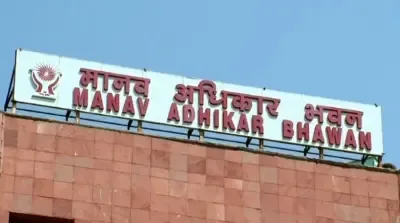
NHRC takes suo motu cognisance of Gujarat woman assault, Nashik water contamination

Synopsis
India's apex human rights body has simultaneously flagged two alarming cases: a woman in Gujarat's Surendranagar allegedly beaten, tied to a tree and assaulted in a so-called 'purification ritual', and an entire neighbourhood in Nashik surviving on purchased water for two months as chemical effluents contaminate their borewells. The NHRC has given authorities two weeks to answer.
Key Takeaways
The NHRC took suo motu cognisance of two separate human rights cases on 16 October 2026 .
A married woman in Surendranagar, Gujarat was allegedly beaten, tied to a tree, and assaulted by her husband and in-laws under the guise of a 'purification ritual' ; the incident allegedly surfaced via a social media video.
The Surendranagar District Magistrate and Superintendent of Police have been served notices to submit a detailed report, including the victim's health status, within two weeks .
In Dattanagar, Nashik , residents have reportedly been drinking contaminated borewell water for two months due to alleged effluent seepage from the Ambad Industrial Area .
Nashik residents are reportedly spending around ₹5,000 per month on clean water; children have been kept from school and doctors have allegedly advised women to avoid pregnancy.
The Maharashtra Chief Secretary and the Maharashtra State Pollution Control Board have been asked for a detailed response within two weeks .
The National Human Rights Commission (NHRC) has taken suo motu cognisance of two separate media reports — one concerning the alleged brutal assault of a married woman by her husband and in-laws in Gujarat's Surendranagar district, and another relating to the alleged contamination of borewell water by industrial effluents in Maharashtra's Nashik district. Both matters were taken up on 16 October 2026, with the apex human rights body observing that the reported incidents, if true, constitute serious violations of human rights.
The Surendranagar Assault Case
According to media reports, a woman and a man she was residing with were allegedly tracked down by her husband and his family members, who were reportedly enraged over the living arrangement. The accused allegedly brought both individuals back to Surendranagar under the pretext of conducting a 'purification ritual'.
The woman was allegedly beaten with sticks, kicked, and tied to a tree. The accused reportedly also forced the man accompanying her to sexually assault her. The incident allegedly came to light after a video of the assault was widely circulated on social media.
The NHRC has issued notices to the Surendranagar District Magistrate and the Superintendent of Police, seeking a detailed report within two weeks. The commission has specifically asked for information on the victim's current health status and details of any compensation disbursed to her.
Nashik Borewell Contamination Case
In the second matter, the NHRC took cognisance of reports regarding the alleged contamination of borewell water in the Dattanagar locality, situated near the Ambad Industrial Area in Nashik. Chemical-laden effluents allegedly discharged by factories in the adjoining industrial zone are said to have been seeping into the groundwater supply for approximately two months, according to a media report carried on 7 October 2026.
The human toll reported is significant. Children in the area have reportedly been advised to stay away from schools, and doctors have allegedly cautioned women in the locality against pregnancy. Residents are reportedly spending around ₹5,000 per month on purchasing clean drinking water, in addition to bearing substantial medical expenses.
The NHRC has issued a notice to the Maharashtra Chief Secretary and has sought comments from the Maharashtra State Pollution Control Board, asking for a detailed report within two weeks.
NHRC's Broader Mandate
The NHRC's suo motu interventions in both cases underscore its role as a watchdog empowered to act on reported violations without waiting for a formal complaint. The commission's notices do not constitute a finding of guilt but compel authorities to submit verifiable facts, placing the onus on district and state administrations to respond formally.
Notably, both incidents involve allegations against either state inaction or industrial negligence — categories that have historically drawn sustained NHRC scrutiny. The Nashik water contamination case, in particular, mirrors a broader pattern of industrial areas encroaching on residential groundwater supplies across Maharashtra's growing urban belts.
What Happens Next
Authorities in both Surendranagar and Nashik now have two weeks to submit detailed responses to the NHRC. Failure to comply or unsatisfactory responses can prompt the commission to issue show-cause notices or recommend remedial action. The outcomes will determine whether the NHRC proceeds with further hearings or issues formal recommendations to state governments.
Point of View
Two months of contaminated water with children out of school and women advised against pregnancy is not a minor administrative lapse; it reflects a structural failure in industrial zoning enforcement. The NHRC's notices are necessary, but they are also non-binding reminders — state administrations have a long track record of filing perfunctory compliance reports while conditions on the ground remain unchanged.
NationPress
16 Oct 2026
Frequently Asked Questions
What is suo motu cognisance and why has the NHRC invoked it here?
Suo motu cognisance means the NHRC has taken up these matters on its own initiative, based on media reports, without waiting for a formal complaint. The commission invoked this power because both cases, if true, point to serious violations of human rights — physical violence against a woman in Gujarat and health endangerment of an entire neighbourhood in Nashik.
What happened to the woman in Surendranagar, Gujarat?
According to media reports, the woman and a male companion were tracked down by her husband and in-laws, brought back to Surendranagar under the pretext of a 'purification ritual', and the woman was allegedly beaten with sticks, kicked, and tied to a tree. The accused also allegedly forced her companion to sexually assault her. The incident reportedly came to light after a video circulated on social media.
What is the situation in Dattanagar, Nashik?
Residents of Dattanagar near the Ambad Industrial Area in Nashik have allegedly been receiving contaminated borewell water for about two months due to chemical effluent seepage from nearby factories. Children have been advised to stay away from school, women have been cautioned against pregnancy, and residents are reportedly spending around ₹5,000 per month on buying clean water.
What action has the NHRC asked authorities to take?
The NHRC has issued notices to the Surendranagar District Magistrate and Superintendent of Police in Gujarat, and to the Maharashtra Chief Secretary and the Maharashtra State Pollution Control Board, asking each to submit a detailed report within two weeks. The Gujarat report must include the victim's current health status and details of any compensation paid.
What are the next steps after the NHRC notices?
The concerned authorities have two weeks to file detailed responses. If the responses are unsatisfactory or not submitted on time, the NHRC can escalate by issuing show-cause notices or formally recommending remedial action to the respective state governments.