NIA files report against 5 juveniles in Pakistan-linked Ghaziabad spy case
Synopsis
Five juveniles are now formally charged in what investigators describe as one of the most elaborate ISI-backed spy networks busted in India in recent years — a solar-powered camera grid at railway stations, GPS coordinates of sensitive sites, and Indian SIM cards handed to Pakistani handlers. With 21 arrests and counting, the Ghaziabad case is far from closed.
Key Takeaways
The NIA filed its investigation report against five juveniles before the Juvenile Justice Board, Ghaziabad on 18 May 2026 .
The juveniles are accused of installing solar-powered spy cameras at sensitive railway locations and transmitting live footage to suspected Pakistan-based terrorists .
They allegedly provided geo-tagged photographs, videos, and GPS coordinates of strategic installations to handlers across the border.
The juveniles also allegedly procured Indian SIM cards for use by Pakistan-linked operatives in terror-related communications.
A total of 21 accused have been arrested; the case was originally registered by local police in March 2026 .
Key mastermind Sohail Malik of Meerut and co-accused Mahek alias Sane Iram were among those arrested on 14 March 2026 .
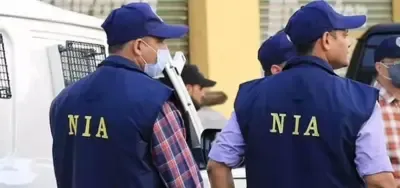
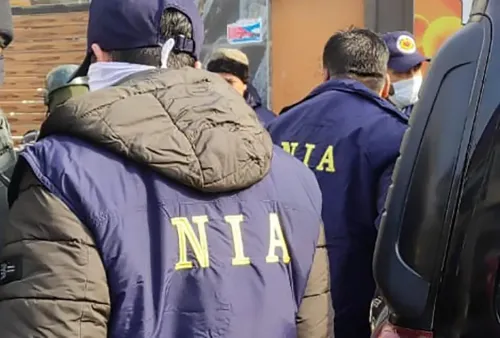
The National Investigation Agency (NIA) on Monday, 18 May filed its investigation report against five Juveniles in Conflict with Law (JCLs) before the Juvenile Justice Board in Ghaziabad, Uttar Pradesh, in connection with a Pakistan-linked espionage conspiracy targeting sensitive Indian installations. The case, registered as RC-01/2026/NIA/LKW, has so far resulted in the arrest of 21 accused since the local police first registered it in March 2026.
What the Juveniles Are Accused Of
According to the NIA, the five juveniles allegedly conspired with adult co-accused to assist suspected Pakistan-based terrorists in obtaining photographs, videos, and precise GPS coordinates of sensitive installations. Investigators say the juveniles illegally accessed prohibited areas of strategic importance and provided active support in installing solar-powered spy cameras at sensitive railway station locations, transmitting live footage to handlers across the border.
The agency further alleged that the juveniles facilitated Pakistan-linked operatives in procuring and using Indian SIM cards to conduct terror-related communications on Indian soil. The charges have been filed under relevant sections of the Bharatiya Nyaya Sanhita (BNS), 2023, the Official Secrets Act, and the Unlawful Activities (Prevention) Act (UAPA).
Scale and Background of the Espionage Module
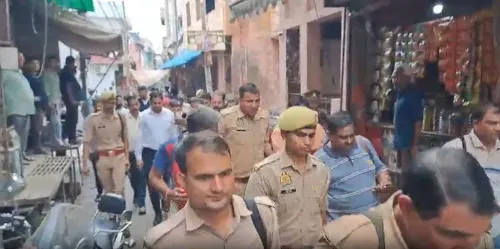
The Ghaziabad espionage case has emerged as one of the most extensive ISI-backed spy networks dismantled in recent years. On 14 March 2026, Ghaziabad Police arrested six individuals in the first major sweep, including Sohail Malik, a Meerut resident identified as a key mastermind, and a woman named Mahek alias Sane Iram. Both were allegedly responsible for recruiting operatives and coordinating payments to network members.
A subsequent police operation brought in eight more accused, raising the total arrests to 22, including key operatives and alleged masterminds. The NIA took over the probe from local police and has since widened its scope to include the juvenile suspects.
What the NIA Investigation Found
The NIA's probe revealed a structured operation in which juveniles were allegedly recruited and tasked with ground-level surveillance. Their alleged role included physically accessing restricted zones, setting up camera hardware, and relaying geo-tagged intelligence to suspected Pakistani handlers — activities that investigators say were designed to directly threaten India's sovereignty, unity, integrity, and security.
Notably, the use of solar-powered cameras indicates a deliberate effort to maintain persistent, covert surveillance without reliance on local power infrastructure — a level of operational planning that investigators say points to external direction.
What Happens Next
The NIA confirmed that investigation against the remaining arrested accused and other suspects in the case is still ongoing. The Juvenile Justice Board in Ghaziabad will now examine the agency's report before determining the next course of proceedings for the five JCLs. Further arrests in the broader network have not been ruled out, according to officials.
Point of View
Since juvenile proceedings carry lighter consequences. The solar-powered camera infrastructure also points to a level of operational sophistication that goes well beyond opportunistic espionage. With 21 arrests and the NIA still investigating, the full architecture of this module is not yet public — and that gap matters for assessing how much damage was done before the network was rolled up.
NationPress
22 Sept 2026
Frequently Asked Questions
What is the Ghaziabad espionage case?
The Ghaziabad espionage case involves a Pakistan-linked spy network that allegedly installed solar-powered cameras at sensitive railway locations and transmitted live footage, GPS coordinates, and geo-tagged images to suspected terrorists based in Pakistan. The case was first registered by local police in March 2026 and later taken over by the NIA.
Why has the NIA filed a report against juveniles?
The NIA found that five juveniles allegedly played an active role in the spy network, including accessing restricted areas, helping install surveillance cameras, and facilitating the procurement of Indian SIM cards for Pakistan-linked operatives. The investigation report has been filed before the Juvenile Justice Board in Ghaziabad under the BNS 2023, Official Secrets Act, and UAPA.
How many people have been arrested in the Ghaziabad spy case so far?
A total of 21 accused have been arrested in the case as of the NIA's latest filing. Earlier police operations had brought the count to 22, including key mastermind Sohail Malik of Meerut and co-accused Mahek alias Sane Iram, both arrested on 14 March 2026.
Who is Sohail Malik and what was his role?
Sohail Malik is a Meerut resident identified by investigators as a key mastermind of the Pakistan-linked espionage module. He was arrested on 14 March 2026 and was allegedly responsible for recruiting operatives into the network and facilitating payments to its members.
What happens next in the case?
The Juvenile Justice Board in Ghaziabad will examine the NIA's investigation report against the five juveniles and determine the next course of proceedings. The NIA has confirmed that its broader investigation against the remaining arrested accused and other suspects is still ongoing.