NIA arrests 15th accused in JMB-linked terror plot targeting Bengal, Northeast

Synopsis
The NIA has arrested a 15th person linked to a Bangladesh-origin terror network accused of radicalising youth via Telegram, holding secret meetings, and expanding JMB's reach into West Bengal and India's Northeast — a conspiracy that has already produced 11 chargesheets and sweeping searches across three states.
Key Takeaways
The NIA arrested one more accused from West Bengal on 11 October 2026 , in a JMB-linked terror case.
Mobile phones and memory cards were seized from the accused at the time of arrest.
13 accused were arrested earlier on 29 September after searches at 16 locations across Assam, West Bengal, and Kerala.
A chargesheet against 11 accused was filed on 25 June before the NIA Special Court, Guwahati under the BNS 2023 and UAPA 1967 .
The conspiracy was allegedly orchestrated by Imam Mahmud Habibullah through the IMK outfit, using Telegram for radicalisation and recruitment.
The NIA says further investigation into case RC-01/2026/NIA/GUW is continuing to trace the full network.
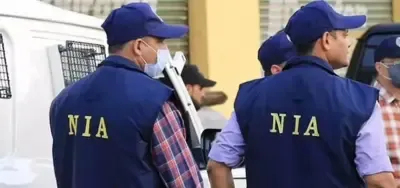
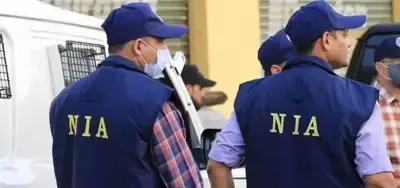
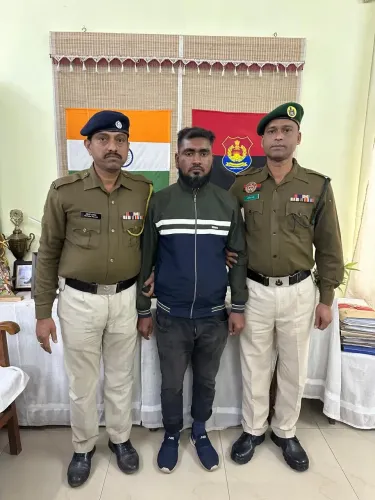
The National Investigation Agency (NIA) on Sunday, 11 October 2026, arrested one more accused from West Bengal in connection with a terror conspiracy linked to Imam Mahmuder Kafila (IMK), a proscribed offshoot of the banned Bangladeshi terrorist organisation Jamaat-ul-Mujahideen Bangladesh (JMB). The arrest brings the total number of accused apprehended in the case to at least 15, as investigators continue to unravel what officials describe as a wide-ranging plot to expand extremist networks across West Bengal and India's north-eastern states.
Several digital devices — including mobile phones and memory cards — were seized from the accused at the time of arrest, the NIA said in an official statement.
Background and Earlier Arrests
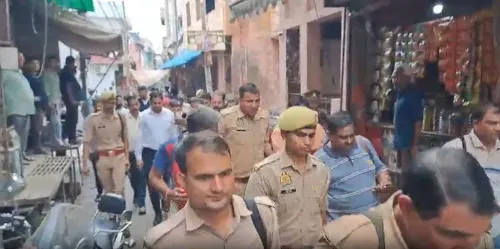
The latest detention follows a major enforcement action on 29 September, when the NIA arrested 13 accused persons after conducting simultaneous searches at 16 locations across Assam, West Bengal, and Kerala. Prior to that, on 25 June, the agency filed a chargesheet against 11 accused before the NIA Special Court in Guwahati, Assam, invoking provisions of the Bharatiya Nyaya Sanhita (BNS), 2023, and the Unlawful Activities (Prevention) Act (UAPA), 1967. The investigation is registered as case RC-01/2026/NIA/GUW.
What the Conspiracy Involved
According to the NIA, Imam Mahmud Habibullah, identified as a senior member of JMB, established IMK with the explicit objective of advancing the banned organisation's agenda within India. Investigators allege that the accused operated through clandestine meetings, religious indoctrination programmes, and the circulation of extremist literature to radicalise vulnerable youth and recruit them into the network.
Digital platforms — notably Telegram — were reportedly misused to spread anti-India propaganda and disseminate extremist ideology. The accused also allegedly worked to foster loyalty to IMK/JMB leadership and systematically strengthen the outfit's presence across the eastern and north-eastern regions of India, according to the agency's statement.
Strategic Significance of the Target States
The focus on West Bengal and the Northeast is notable. These states share India's eastern border with Bangladesh, making them historically sensitive to cross-border extremist infiltration. JMB, which was behind the deadly 2005 serial blasts in Bangladesh, has been banned in India, yet its offshoots have periodically attempted to establish a foothold on the Indian side. This is among the most significant enforcement actions against a JMB-linked network in recent years, involving multiple states and a sprawling digital trail.
Investigation Status and What Comes Next
The NIA has stated that further investigation is ongoing to establish the full extent of the conspiracy and identify any remaining associates. Analysts tracking Islamist extremism in South Asia note that the use of encrypted messaging apps for recruitment and radicalisation has become a recurring challenge for security agencies across the region. With chargesheets already filed and more arrests possible, the case is expected to proceed through the NIA Special Court system over the coming months.
Point of View
One more now — suggests the NIA is working outward from a known core toward peripheral recruiters and financiers, which is standard in UAPA investigations but slow. The more consequential question is structural: why West Bengal and the Northeast remain porous to JMB's successor networks nearly two decades after the outfit was banned. Border management, intelligence-sharing with Dhaka, and the monitoring of encrypted recruitment platforms are all under strain. A chargesheet against 11 is a legal milestone; it is not yet a disruption of the ideology that keeps producing new recruits.
NationPress
11 Oct 2026
Frequently Asked Questions
Who has the NIA arrested in the JMB-linked terror case?
The NIA has arrested at least 15 people in total — 13 on 29 September 2026 and one more on 11 October 2026, all in connection with a conspiracy by Imam Mahmuder Kafila (IMK), an offshoot of the banned Jamaat-ul-Mujahideen Bangladesh. The accused are linked to alleged plots to radicalise youth and expand JMB's network in West Bengal and Northeast India.
What is Imam Mahmuder Kafila (IMK)?
IMK is a proscribed offshoot of Jamaat-ul-Mujahideen Bangladesh (JMB), a banned Bangladeshi terror organisation. According to the NIA, IMK was established by senior JMB member Imam Mahmud Habibullah with the objective of spreading JMB's extremist ideology and expanding its terrorist network inside India, particularly in West Bengal and the northeastern states.
What charges have been filed in this case?
The NIA filed a chargesheet against 11 accused on 25 June before the NIA Special Court in Guwahati under provisions of the Bharatiya Nyaya Sanhita (BNS) 2023 and the Unlawful Activities (Prevention) Act (UAPA) 1967. The case is registered as RC-01/2026/NIA/GUW.
How were the accused allegedly spreading extremist ideology?
According to the NIA, the accused used clandestine meetings, religious indoctrination programmes, extremist literature, and digital platforms — especially Telegram — to radicalise vulnerable youth, recruit them into IMK/JMB, and disseminate anti-India propaganda.
Why are West Bengal and Northeast India the focus of this conspiracy?
West Bengal and the northeastern states share India's eastern border with Bangladesh, making them geographically accessible to JMB-linked networks. Security agencies have long flagged these regions as vulnerable to cross-border extremist infiltration, and the NIA's investigation reflects that sustained concern.