NITI Aayog Vice Chairman visits Siachen, world's highest battlefield
Synopsis
NITI Aayog Vice Chairman Dr Ashok K. Lahiri's visit to Siachen Base Camp — the world's highest active battlefield at 5,753 metres — is more than a symbolic gesture. Coupled with a Fire and Fury Corps briefing on Ladakh's logistics, infrastructure, and connectivity, it signals that India's apex policy body is actively integrating border-area development into its national planning calculus.
Key Takeaways
NITI Aayog Vice Chairman Dr Ashok K.
Lahiri visited Siachen Base Camp on 29 August with his team.
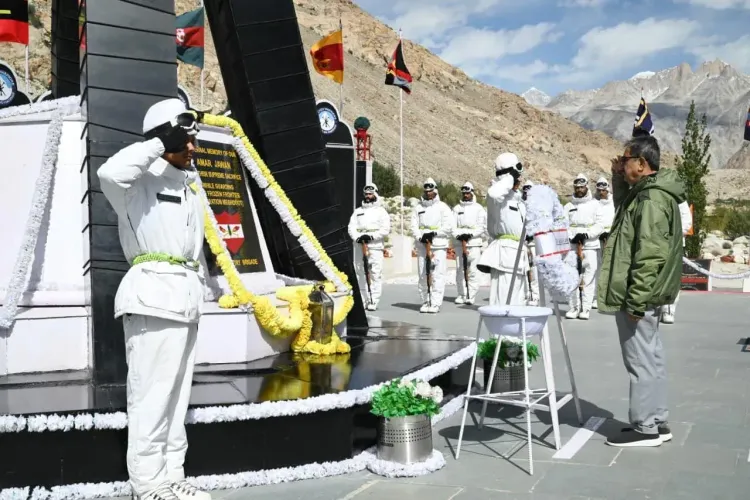
He undertook an aerial reconnaissance of the Northern Glacier and paid homage at the Siachen War Memorial .
Lt Gen Madanraj Pande , GOC Fire and Fury Corps , briefed Dr Lahiri on operational and developmental aspects of Ladakh .
Siachen sits at 5,753 metres and is the world's highest active battlefield, under Indian control since 1984 .
India secured the glacier through Operation Meghdoot , launched to pre-empt Pakistan's competing Operation Ababeel .
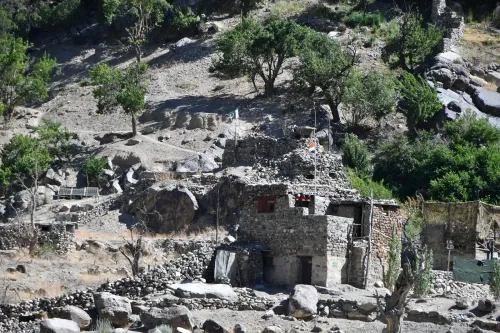
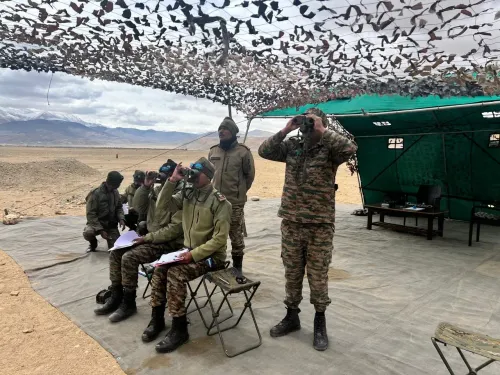
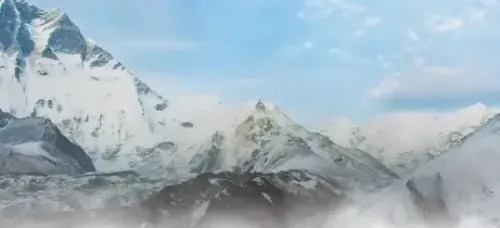
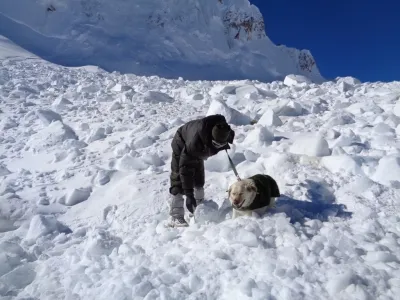
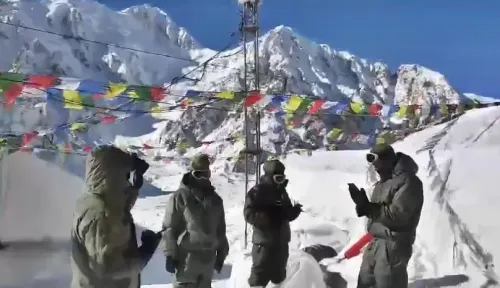
NITI Aayog Vice Chairman Dr Ashok K. Lahiri visited the Siachen Glacier Base Camp on 29 August along with his team, undertaking an aerial reconnaissance of the Northern Glacier to witness firsthand the extreme terrain where Indian Army troops guard the nation's frontiers. The visit was confirmed by NITI Aayog in an official post on X.
What the Visit Covered
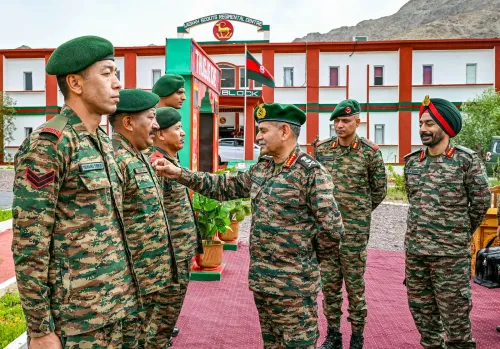
During the visit, Dr Lahiri was briefed by the Commander Siachen Brigade, toured the Rockcraft Training School, and paid homage at the Siachen War Memorial. The itinerary reflected a comprehensive engagement with both the operational realities and the symbolic weight of India's highest military outpost.
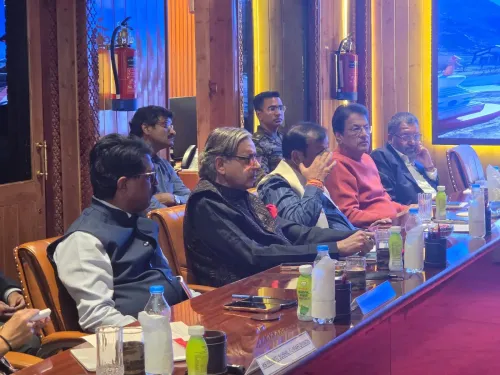
At Headquarters Fire and Fury Corps, Dr Lahiri received a detailed briefing from Lt Gen Madanraj Pande, General Officer Commanding (GOC) Fire and Fury Corps, covering operational and developmental dimensions of Ladakh — including modernisation, logistics, infrastructure, connectivity, and social outreach programmes.
About the Siachen Glacier
The Siachen Glacier, situated in the eastern Karakoram range of the Himalayas at an altitude of 5,753 metres, is the world's highest active battlefield. Located just northeast of point NJ9842 — where the Line of Control (LoC) between India and Pakistan ends — it is the longest glacier in the Karakoram and the second-longest in the world's non-polar regions.
The entire Siachen Glacier, along with all major passes, has been under Indian administration as part of the union territory of Ladakh since 1984. Pakistan controls the western region of the Saltoro Ridge, with Pakistani posts situated approximately 1 km below more than 100 Indian posts on the ridge.
Operation Meghdoot: How India Secured Siachen
India's control over the Siachen Glacier was established through Operation Meghdoot, launched in 1984 to pre-empt Pakistan's competing Operation Ababeel, which sought full control of the glacier. The operation secured the tri-junction of the India-Pakistan-China border in the Himalayas — a strategic foothold that has been maintained at considerable human and logistical cost ever since.
Significance of the Visit
A visit by the NITI Aayog's second-highest official to one of the world's most inhospitable military zones signals that the Centre's policy planning body is directly engaging with Ladakh's developmental and strategic challenges. The briefing on infrastructure, logistics, and connectivity suggests that Siachen's civilian hinterland — not just its military frontline — is under active policy review. This comes amid ongoing efforts to boost border-area development across Ladakh following its reorganisation as a union territory in 2019.
Point of View
Connectivity, and social outreach suggests the Centre is looking beyond the military footprint toward civilian integration of a region that has been a union territory for barely six years. The harder question is whether NITI Aayog's engagement translates into budgetary prioritisation — Ladakh's infrastructure gaps remain significant, and policy attention without commensurate funding has been a recurring pattern in India's border-area development history.
NationPress
13 Oct 2026
Frequently Asked Questions
Why did NITI Aayog Vice Chairman Dr Ashok K. Lahiri visit Siachen?
Dr Lahiri visited Siachen Base Camp to witness the terrain and conditions in which Indian Army troops operate at the world's highest active battlefield. He also received briefings on Ladakh's operational, developmental, and infrastructure priorities from the Fire and Fury Corps.
What is the Siachen Glacier and why is it strategically significant?
The Siachen Glacier is the world's highest active battlefield, located in the eastern Karakoram range at an altitude of 5,753 metres. India has administered the glacier and all its major passes as part of the union territory of Ladakh since 1984, giving it a commanding strategic position over the region.
What was Operation Meghdoot?
Operation Meghdoot was the Indian Armed Forces operation launched in 1984 to secure the Siachen Glacier, pre-empting Pakistan's competing Operation Ababeel. The operation gave India control of the glacier at the tri-junction of the India-Pakistan-China border.
Who briefed Dr Lahiri during the visit?
Lt Gen Madanraj Pande, GOC Fire and Fury Corps, briefed Dr Lahiri at Headquarters Fire and Fury Corps on operational and developmental aspects of Ladakh, covering modernisation, logistics, infrastructure, connectivity, and social outreach.
What is the current military situation at Siachen?
India controls the entire Siachen Glacier and all major passes, with more than 100 Indian posts on the Saltoro Ridge. Pakistan controls the western region of the Saltoro Ridge, with its posts located approximately 1 km below Indian positions.