Assam CM: No income tax for small tea growers earning up to ₹10 lakh
Synopsis
Assam is restoring agricultural income tax after a six-year freeze — but only for large growers. Small tea farmers earning under ₹10 lakh stay exempt, with the raised threshold nearly quadrupling the old ₹2.5 lakh limit. The revenue collected will fund tea garden community welfare, and a production subsidy hike to ₹15 per kg sweetens the deal for orthodox and speciality tea producers.
Key Takeaways
Assam CM Himanta Biswa Sarma confirmed on 11 August that small tea growers earning up to ₹10 lakh annually will remain exempt from agricultural income tax.
The state is restoring agricultural income tax for larger assessees from 1 April 2026 , ending a six-year blanket exemption.
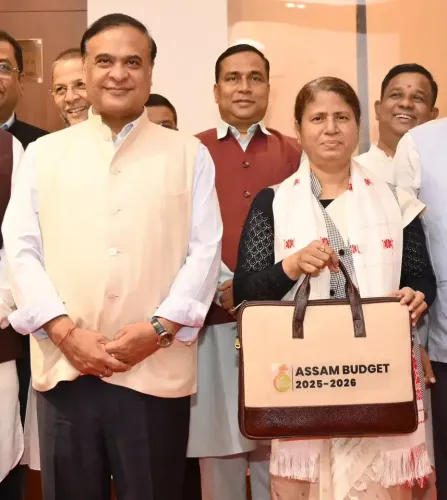
The exemption threshold for small growers has been raised from ₹2.5 lakh to ₹10 lakh per year under the Assam Budget 2026-27 .
Revenue from the restored tax will be directed toward welfare and development of tea garden communities .
The production subsidy for orthodox and speciality tea has been proposed to rise from ₹10 to ₹15 per kg , with support extended to Matcha varieties.
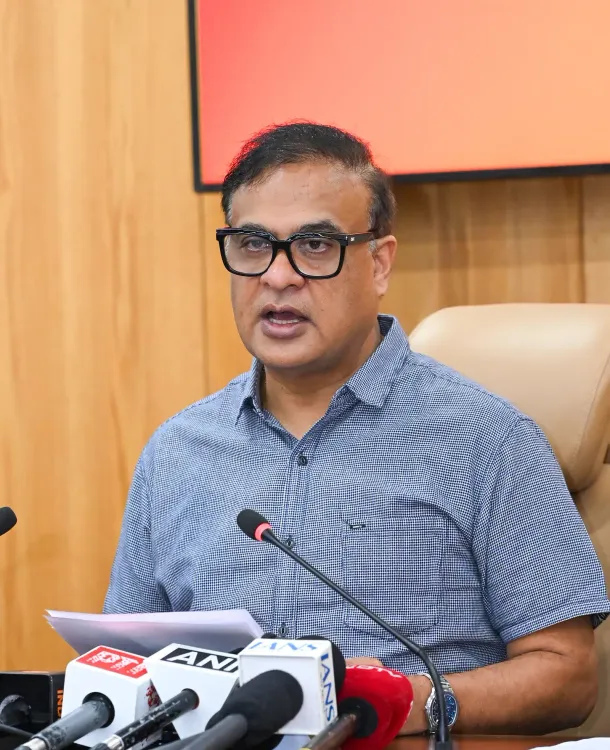
Assam Chief Minister Himanta Biswa Sarma on Tuesday, 11 August announced that small tea growers and farmers earning up to ₹10 lakh in annual agricultural income will remain outside the state's tax net, even as the government moves to restore agricultural income tax for larger assessees. The declaration, made in Guwahati, brings clarity to a policy shift first proposed in the Assam Budget for 2026-27.
What the Policy Change Entails
The Assam government has decided to withdraw a blanket exemption on agricultural income tax that had been in place for the past six years. Under the revised framework, the exemption threshold for small tea growers has been raised substantially — from ₹2.5 lakh to ₹10 lakh per year. Larger agricultural and tea-growing entities, however, will be liable to pay agricultural income tax from 1 April 2026.
'Small tea growers earning up to ₹10 lakh as annual agricultural income will not have to pay agricultural income tax,' Sarma said, stressing that the move was designed to shield those operating at a relatively small scale from any additional financial burden.
Why the Distinction Matters
The Chief Minister noted that agricultural income can vary considerably depending on scale of operations, production volumes, prevailing market prices, and expenditure incurred by growers. The tiered approach — exempting small growers while taxing larger assessees — is intended to ensure that the revenue burden falls on entities better positioned to absorb it. This comes amid broader efforts by the state to strengthen Assam's tea sector, which employs a significant share of the state's workforce.
Where the Revenue Will Go
Revenue generated through the restored agricultural income tax will be channelled toward the welfare and development of tea garden communities, including social and developmental initiatives, according to Sarma. The Chief Minister was explicit that the government's intent was not to impose additional hardship on ordinary farmers, but to build a sustainable funding stream for community welfare.
Broader Tea Sector Support Measures
The restoration of agricultural income tax is part of a wider package of measures for the tea sector outlined in the 2026-27 Budget. The government has also proposed increasing the production subsidy for orthodox and speciality tea from ₹10 to ₹15 per kg, and extending support to premium tea varieties including Matcha. Taken together, the measures signal a deliberate effort to both modernise the sector and improve conditions for the workers and communities tied to it. How effectively the new revenue translates into ground-level welfare improvements will be closely watched by tea garden unions and industry bodies alike.
Point of View
Regardless of capacity to pay. Sarma's tiered reset is structurally sounder, but the real accountability test is whether the restored revenue actually reaches tea garden communities or gets absorbed into general expenditure. Assam's tea belt has a long history of welfare promises that stopped at the estate gate. The subsidy hike for orthodox and Matcha tea is a positive signal for premium exports, but without transparent disbursement tracking, the welfare narrative risks becoming just that — a narrative.
NationPress
12 Aug 2026
Frequently Asked Questions
Who qualifies for the agricultural income tax exemption in Assam?
Small tea growers and farmers earning up to ₹10 lakh in annual agricultural income qualify for the exemption. Larger assessees — those earning above this threshold — will be liable to pay agricultural income tax from 1 April 2026.
Why is Assam restoring agricultural income tax after six years?
The Assam government is restoring agricultural income tax to generate revenue that will be used for the welfare and development of tea garden communities. The blanket exemption that had been in place for six years will now apply only to small growers below the ₹10 lakh threshold.
What was the previous exemption limit for small tea growers in Assam?
The previous exemption limit was ₹2.5 lakh per year. The Assam Budget 2026-27 proposed raising it to ₹10 lakh annually, providing significantly greater relief to small-scale growers.
When will the restored agricultural income tax take effect?
The restored agricultural income tax for larger assessees will come into effect from 1 April 2026, as announced in the Assam Budget 2026-27.
What other tea sector measures did the Assam government announce?
The government proposed increasing the production subsidy for orthodox and speciality tea from ₹10 to ₹15 per kg, and extending support to premium varieties including Matcha, as part of a broader effort to strengthen the state's tea sector.