Lumding-Badarpur rail section hit for a week; Tripura, Mizoram, Manipur cut off
Synopsis
The only rail corridor linking Tripura, Mizoram, Manipur and southern Assam to the rest of India has been partially out of service for over a week — not because of a single dramatic event, but because monsoon rains quietly swallowed 300 metres of track near New Harangajao. With night services suspended and the Guwahati-Silchar Express cancelled, the disruption lays bare how a single vulnerable section holds four states hostage every monsoon.
Key Takeaways
The Lumding-Badarpur Hill Section — the only rail link for Tripura , Mizoram , Manipur , and southern Assam — has been partially disrupted for over a week as of 30 July .
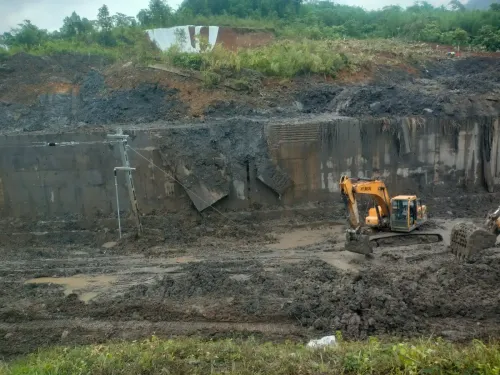
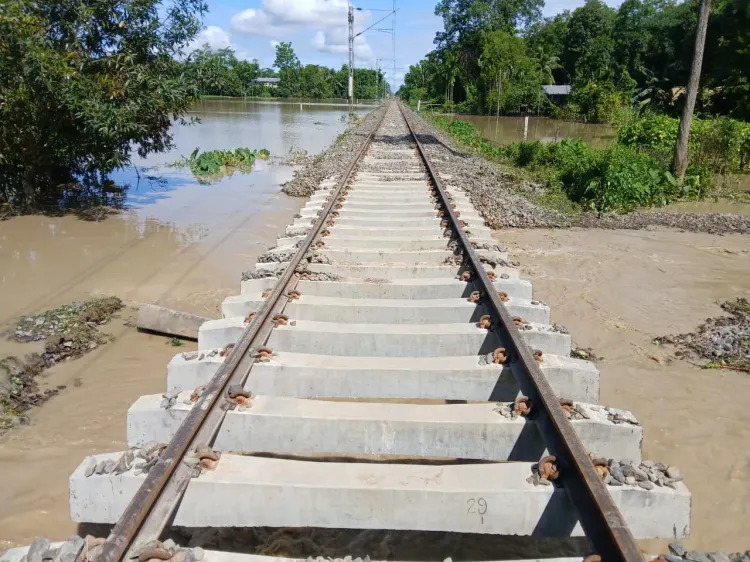
Soil beneath Line 1 and Line 2 near New Harangajao station has subsided over a 300-metre stretch in Dima Hasao district .
Only Line 3 is operational, with train movement restricted to daytime and suspended between 7 pm and 5 am IST .
The Guwahati-Silchar Express has been cancelled for Thursday and Friday ; multiple other trains rescheduled, regulated, or partially cancelled.
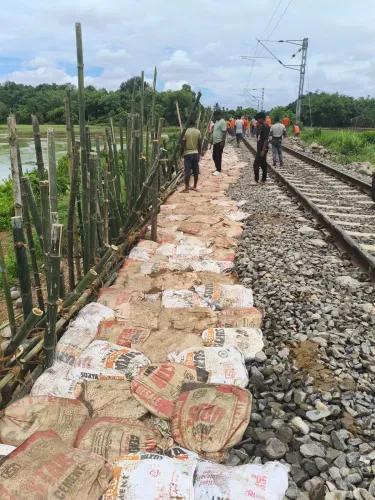
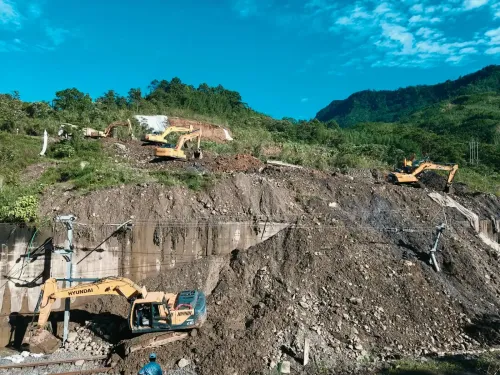
Large-scale restoration involving engineering teams and heavy machinery is underway on a war footing; no firm resumption date has been given.
The disruption affects not just passengers but also the supply of foodgrains, fuel, and essential commodities to four Northeastern states.
Rail connectivity between southern Assam, Tripura, Mizoram, Manipur and the rest of the country has remained severed for over a week after heavy monsoon rainfall damaged tracks along the strategically vital Lumding-Badarpur Hill Section, Northeast Frontier Railway (NFR) officials confirmed on Thursday, 30 July. The disruption, centred near New Harangajao station in Dima Hasao district of Assam, has triggered cascading delays to passenger services and the supply of essential commodities across four Northeastern states.
What Caused the Disruption
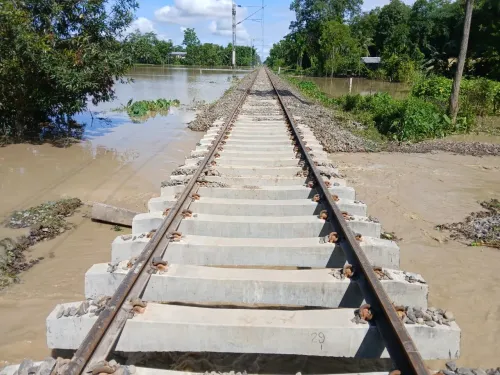
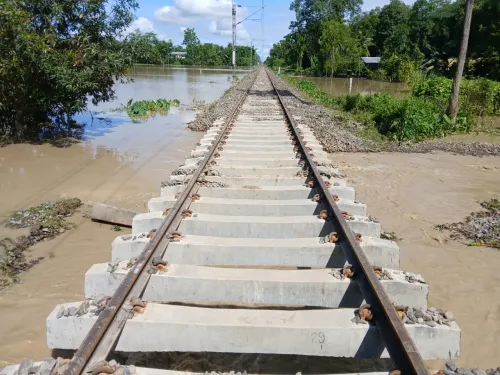
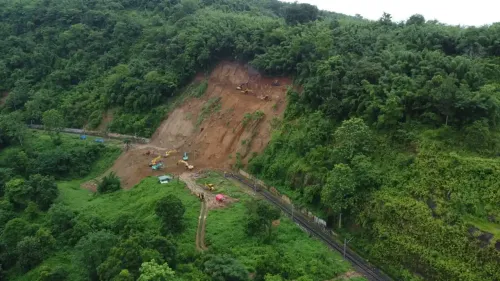
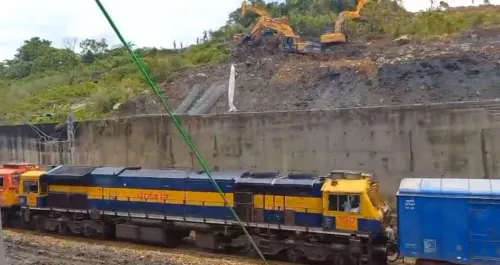
According to a senior NFR official, soil beneath two of the three railway tracks near New Harangajao station has subsided over a stretch of approximately 300 metres due to sustained heavy rainfall in the hilly terrain of Dima Hasao. The subsidence has affected Line 1 and Line 2, leaving only Line 3 operational under strict monitoring and enhanced safety protocols. Continuing inclement weather has further hampered restoration efforts, officials said.
Restoration on War Footing
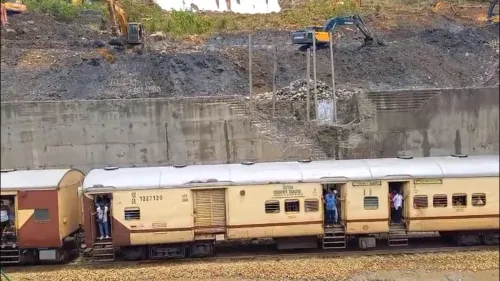
A large deployment of workers, railway engineering teams, and heavy machinery has been mobilised on a war footing to repair the damaged section at the earliest. NFR officials said normal train operations will resume only after restoration is completed safely. The Guwahati-Silchar Express has been cancelled for Thursday and Friday, while several other trains connecting the four affected states have been rescheduled, regulated, or partially cancelled.
As an additional safety measure, the movement of passenger-carrying trains through the affected stretch has been suspended during night hours — between 7 pm and 5 am IST. During daylight hours, trains are being permitted to pass under regulated conditions with continuous on-ground monitoring.
Why This Corridor Is Critical
The Lumding-Badarpur Hill Section is the sole rail link connecting Tripura, Mizoram, Manipur, and southern Assam with the national rail network, making it one of the most strategically significant railway corridors in the Northeast. Any disruption on this route has an immediate cascading impact — not just on passenger movement, but on the transportation of foodgrains, fuel, construction materials, and other essential commodities to the region.
Notably, this is not an isolated incident. Every monsoon season — spanning June to September — railway infrastructure across the Northeast faces recurring damage from floods, landslides, and soil erosion, particularly in the mountainous terrain of Dima Hasao district. The four affected states, already dependent on a single rail corridor, face prolonged hardship each year during this period.
Impact on Passengers and Supply Chains
The week-long disruption has caused considerable hardship to daily commuters and long-distance passengers, while also delaying the timely movement of commercial goods and essential supplies to communities across the four states. With road connectivity in these hilly areas also vulnerable to monsoon damage, rail remains the most reliable freight and passenger artery — making each disruption disproportionately severe.
Restoration timelines remain contingent on weather conditions, and officials have not yet indicated a firm date for the resumption of full services. The situation will be closely watched as the monsoon season has at least two more months to run.
Point of View
With grim regularity, every monsoon. The deeper question is not about restoration speed but about infrastructure resilience: why, after decades of vulnerability, does this corridor still lack redundancy or slope-stabilisation works adequate for Dima Hasao's terrain? For Tripura, Mizoram, and Manipur — states with limited road alternatives — this is not an inconvenience; it is a supply-chain emergency waiting to repeat itself next June.
NationPress
14 Sept 2026
Frequently Asked Questions
Which railway section is disrupted and why?
The Lumding-Badarpur Hill Section in Assam's Dima Hasao district has been partially disrupted due to soil subsidence beneath two of its three tracks near New Harangajao station, caused by sustained heavy monsoon rainfall over the past week. The affected stretch spans approximately 300 metres.
Which states are affected by this rail disruption?
Tripura, Mizoram, Manipur, and southern Assam are all affected, as the Lumding-Badarpur Hill Section is the only rail link connecting these states to the rest of India's rail network. Any disruption on this route directly impacts both passenger movement and the supply of essential commodities.
Which trains have been cancelled or rescheduled?
The Guwahati-Silchar Express has been cancelled for Thursday and Friday, 30–31 July. Several other trains connecting southern Assam, Tripura, Mizoram, and Manipur have been rescheduled, regulated, or partially cancelled. Night services through the affected section are suspended between 7 pm and 5 am IST.
When will normal train services resume?
No firm date has been announced. Northeast Frontier Railway officials have said normal operations will resume only after restoration work is completed safely, and that continuing heavy rainfall is hampering progress. The monsoon season runs through September.
Is this disruption unusual for the region?
No — the Lumding-Badarpur Hill Section and broader Northeast railway infrastructure face recurring damage every monsoon season from June to September, particularly in Dima Hasao's mountainous terrain. Landslides, soil erosion, and waterlogging routinely cause prolonged rail disruptions across the region each year.