Lumding-Badarpur rail link disrupted for 2 weeks after Assam track subsidence
Synopsis
The only rail corridor linking Tripura, Mizoram, Manipur and southern Assam to the rest of India has been crippled for over two weeks — not by a one-off disaster, but by the same monsoon vulnerability that strikes Dima Hasao's mountainous terrain every year. With 300 metres of track undermined and no restoration timeline in sight, this is a structural connectivity crisis hiding behind a seasonal headline.
Key Takeaways
The Lumding-Badarpur Hill Section in Dima Hasao district, Assam has been disrupted for more than two weeks due to monsoon-triggered soil subsidence.
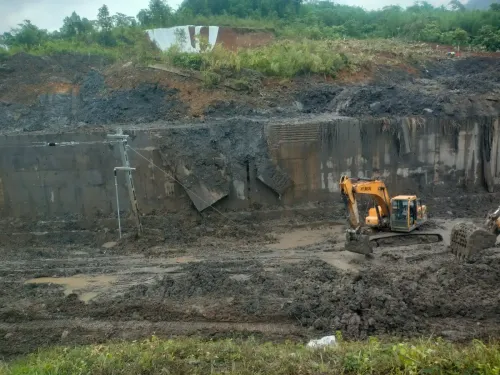
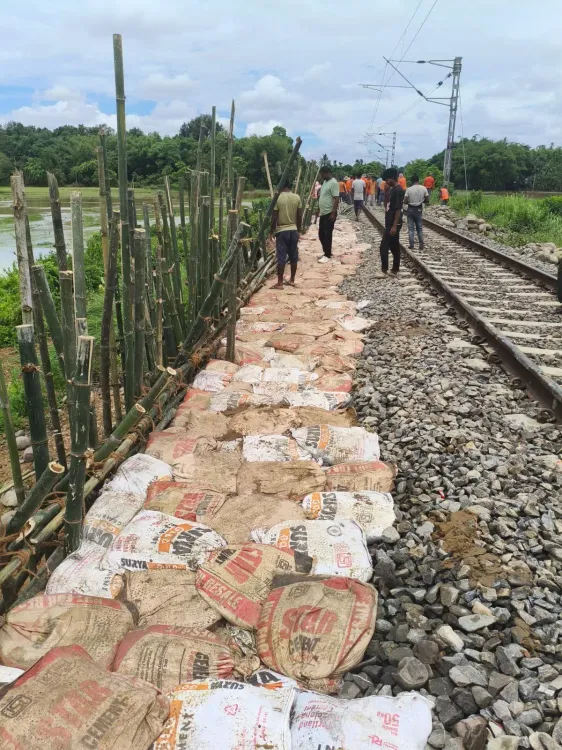
Subsidence affected two of three railway tracks near New Harangajao station over a stretch of nearly 300 metres .
All trains are currently routed through Line 3 only; night operations between 7 pm and 5 am have been suspended for passenger safety.
The Guwahati-Silchar Express was cancelled on 6 August and 8 August ; multiple other trains rescheduled or partially cancelled.
The route is the sole rail link for Tripura , Mizoram , Manipur and southern Assam, affecting supply of foodgrains, fuel, and essential goods.
No restoration timeline has been provided by Northeast Frontier Railway (NFR) due to persistent heavy rainfall.
Rail connectivity between southern Assam, Tripura, Mizoram, Manipur and the rest of India has remained severed for more than two weeks after heavy monsoon rainfall triggered soil subsidence beneath railway tracks along the strategically critical Lumding-Badarpur Hill Section in Dima Hasao district, Assam, officials confirmed on Thursday, 6 August.
What Happened at New Harangajao
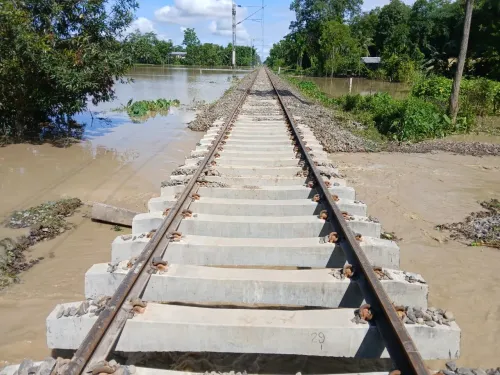
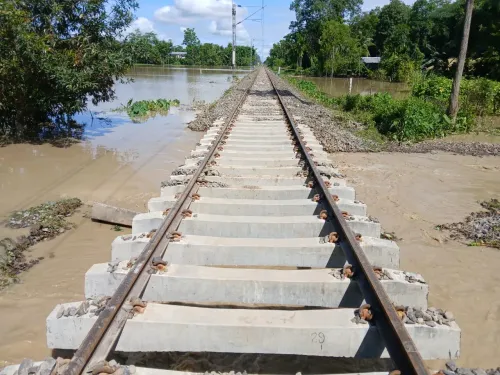
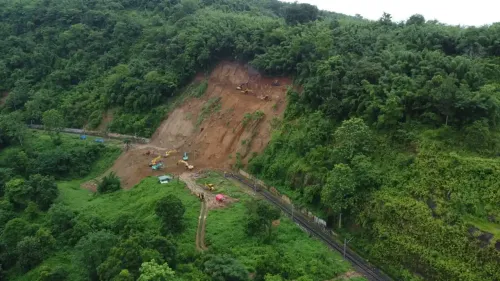
According to a senior Northeast Frontier Railway (NFR) official, incessant moderate to heavy rainfall in and around New Harangajao station in the mountainous Dima Hasao district (formerly North Cachar Hills district) caused the ground beneath two of the three railway tracks to give way. The subsidence has affected a continuous stretch of nearly 300 metres, severely hampering train operations across the Lumding Division.
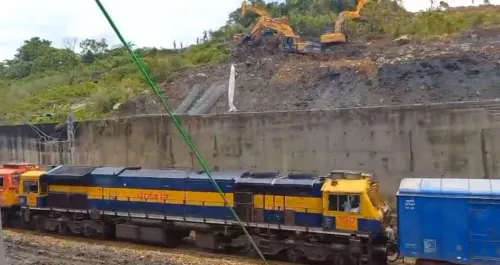
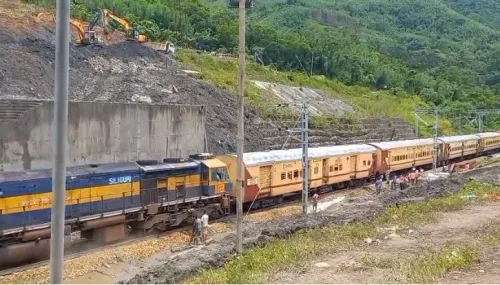
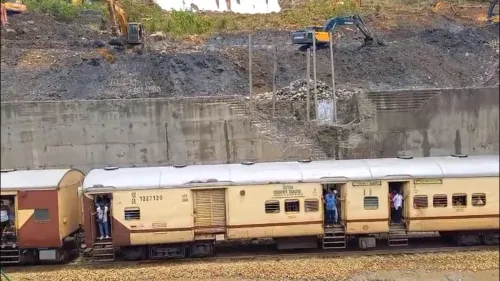
At present, all train movements on the route are being channelled exclusively through Line 3 under strict monitoring and enhanced safety protocols. To further protect passengers, the NFR has suspended the operation of passenger-carrying trains through the affected stretch during night hours — between 7 pm and 5 am — while daytime passage continues under regulated, closely supervised conditions.
Trains Cancelled and Rescheduled
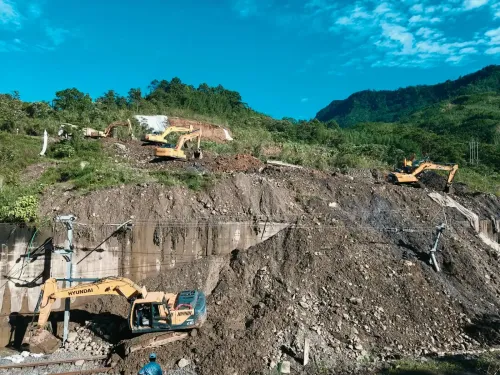
The NFR has cancelled the Guwahati-Silchar Express on 6 August and 8 August. Several other trains connecting southern Assam, Tripura, Mizoram, and Manipur have been rescheduled, regulated, or partially cancelled as restoration work continues. The official said a large number of workers, railway personnel, engineering teams, and heavy machinery have been deployed on a war footing, but persistent rainfall and inclement weather have significantly slowed repair progress.
'We are unable to say when the normal train services would restart. Regular train operations are expected to resume once the restoration work is completed safely,' the official said.
Why This Route Is Critical
The Lumding-Badarpur Hill Section is the sole rail corridor linking Tripura, Mizoram, Manipur, and southern Assam to the national railway network, making it one of the most strategically vital stretches in the Northeast. Any disruption cascades rapidly — affecting not only passenger movement but also the supply of foodgrains, fuel, construction materials, and other essential commodities to the region.
A Recurring Monsoon Vulnerability
This is not an isolated incident. Every year during the June-to-September monsoon season, railway infrastructure across parts of the Northeast faces severe stress from landslides, waterlogging, and soil erosion — particularly in the mountainous terrain of Dima Hasao district. Tracks, embankments, and bridges along the Lumding-Badarpur corridor are among the most frequently damaged. The result is a near-annual cycle of prolonged rail disruptions that impose considerable hardship on commuters and impede the timely flow of goods to some of India's most geographically isolated states.
What Comes Next
The NFR has not provided a timeline for full restoration, citing the unpredictability of ongoing rainfall. Until both Line 1 and Line 2 are declared safe, the region's rail connectivity will remain constrained to a single operational track under heightened supervision. Authorities and passengers alike are watching weather forecasts closely, as further heavy rain could set back repair timelines further.
Point of View
With no redundancy built in after decades of disruptions, reflects a strategic blind spot in Northeast connectivity investment. Each monsoon season effectively holds Tripura, Mizoram, and Manipur hostage to 300 metres of vulnerable mountain terrain. The question that mainstream coverage consistently avoids is why, after years of identical disruptions, there is still no alternative alignment or hardened infrastructure in place.
NationPress
20 Sept 2026
Frequently Asked Questions
Why is the Lumding-Badarpur Hill Section rail link disrupted?
Heavy monsoon rainfall triggered soil subsidence beneath two of three railway tracks near New Harangajao station in Dima Hasao district, Assam, damaging a stretch of nearly 300 metres. The disruption has been ongoing for more than two weeks as of 6 August, with repair efforts hampered by persistent rainfall.
Which states are affected by the rail disruption?
Tripura, Mizoram, Manipur, and southern Assam are directly affected. The Lumding-Badarpur Hill Section is the only rail corridor connecting these states to the rest of India, so any disruption cuts off both passenger movement and the supply of essential commodities.
Which trains have been cancelled or rescheduled?
The Guwahati-Silchar Express has been cancelled on 6 August and 8 August. Several other trains on the Lumding-Badarpur route have been rescheduled, regulated, or partially cancelled. Night-time passenger train operations through the affected stretch have also been suspended between 7 pm and 5 am.
When will normal train services resume on the Lumding-Badarpur Section?
Northeast Frontier Railway (NFR) has not provided a specific timeline for full restoration. Officials have said services will resume only after repair work is completed safely, and ongoing heavy rainfall continues to delay progress.
Is this kind of disruption common in the Northeast?
Yes. The Lumding-Badarpur Hill Section is highly vulnerable to monsoon damage every year between June and September. Landslides, waterlogging, and soil erosion in the mountainous Dima Hasao district routinely damage tracks, embankments, and bridges, causing prolonged connectivity disruptions for the region's states.