Is There a Plot to Rewind the Northeast’s Post-2014 Development and Ignite Anti-India Unrest?
Synopsis
India's intelligence agencies have uncovered a troubling plot aimed at destabilizing the northeastern states. Recent intercepts suggest a collaboration of various terrorist groups looking to reverse the progress made since 2014. Is the peace in the region truly under threat?
Key Takeaways
Increased funding from the ISI to insurgent groups.
Radical preachers are being sent to influence public sentiment.
Recent visits by officials suggest collaboration between Pakistan and Bangladesh.
The peace established since 2014 is at risk .
Vigilance is crucial for maintaining national security .
New Delhi, Oct 29 (NationPress) India’s intelligence agencies have raised alarms about a nefarious scheme that targets the northeastern states. Recent intercepts indicate a convergence of multiple terrorist factions planning attacks in this region.
Under Prime Minister Modi, significant investments have been made in the northeast, leading to job creation and a gradual reduction of insurgent activities.
The current objective appears to be to disrupt this hard-won peace and revert the region to a time when insurgency was rampant and stability seemed unattainable.
This threat is not solely from terrorist organizations based in Pakistan and Bangladesh.
Funding from the ISI has notably increased to rejuvenate several past insurgent groups.
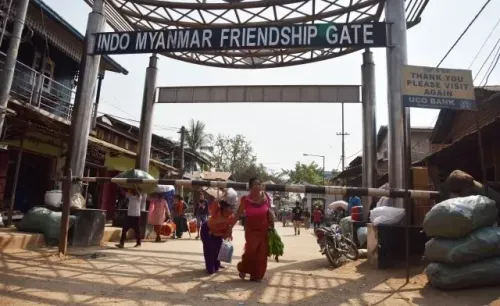
Previously, the ISI funded and armed these factions through networks in Bhutan and Myanmar.
Now, Pakistan has added Bangladesh as a new base to facilitate these activities.
An official from the Intelligence Bureau stated that the main goal is to undermine peace and halt development.
Pakistan aims to convey to the northeastern populace that the Indian government is unable to ensure their safety.
The intent is to instigate unrest, leading the public to turn against the Indian state, the official further elaborated.
The ISI is reportedly collaborating with several high-profile terrorists in both Bangladesh and Pakistan. Intelligence intercepts suggest a recent uptick in visits from Pakistani officials to Bangladesh.
Similarly, officials and terrorists from Bangladesh have frequently visited Pakistan. Experts note that since the Modi administration took office in 2014, a significant focus has been placed on developing the northeast and providing opportunities for the locals.
The ISI recognizes the sensitivity of the northeastern region of India, understanding that any disruptions could spiral out of control. They seek to revert the situation to pre-2014 conditions.
To implement this malicious scheme, the ISI has adopted a multi-faceted strategy.
It involves not only employing terrorists but also sponsoring the visits of radical preachers like Zakir Naik and Ibtisam Elahi Zaheer to Bangladesh.
Zakir Naik, listed among India’s 'Most Wanted', is currently sheltered in Malaysia. He is set to visit Bangladesh for a month, targeting regions near the Indian border. The aim of his visit is to propagate radical Islam and shift public perception in Bangladesh.
Naik openly advocates for the implementation of Sharia law, aligning with the objectives of Jamaat-e-Islami, which seeks to establish similar governance in the country.
Zaheer, closely associated with Lashkar-e-Tayyiba founder Hafiz Saeed, is also part of the plan to disrupt tranquility in the northeast. His visits to areas in Bangladesh, particularly Rangpur, Lalmonirhat, and Nilphamari, raise significant concern.
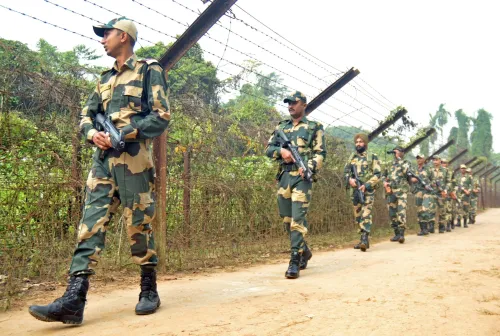
These locations are adjacent to the India-Bangladesh border. Zaheer has a track record of inciting violence and fostering hatred. His events are aimed at instilling strong anti-India sentiments among the populace.
The ISI hopes that if Zaheer succeeds, violence will erupt along the border, spreading rapidly into the northeastern states.
An official noted that if unrest ensues in the northeast, it would be easier for terrorists to infiltrate and execute attacks while Indian security forces are preoccupied with managing the chaos.
Point of View
It is crucial to recognize the importance of national security. The alarming developments regarding potential unrest in the northeastern states highlight the need for vigilance and proactive measures to ensure the safety and stability of our nation. We must remain united and support our security forces in countering such threats.
NationPress
2 Oct 2026
Frequently Asked Questions
What is the current threat to the northeastern states?
India's intelligence agencies have warned of a potential resurgence of insurgency due to a plot involving multiple terrorist organizations targeting the northeastern states.
Who is funding these terrorist activities?
The ISI from Pakistan has significantly increased funding to revive several historical insurgent groups in the region.
What role do radical preachers play in this plot?
Radical preachers like Zakir Naik and Ibtisam Elahi Zaheer are being sponsored to spread extremist ideologies and incite anti-India sentiments in Bangladesh, which could spill over into the northeastern states.
How has the situation changed since 2014?
Since the Modi government assumed power in 2014, considerable development efforts have been made in the northeastern states, leading to job creation and a decline in insurgent activities.
What are the implications if unrest erupts in the northeast?
If violence breaks out, it could facilitate terrorist infiltration and attacks while security forces are engaged in managing the unrest.