Oct 10 protest curbs: Home Ministry clarifies affidavit apology practice before SC
Synopsis
The Home Ministry has pushed back against media reports framing its Supreme Court affidavit as a genuine apology — insisting it is merely standard contempt-petition procedure. The real story is the Centre's simultaneous bid to get the SC to expand its legal room to suspend internet services at future protests, a move that could have wide implications for civil liberties and judicial oversight of communication blackouts.
Key Takeaways
The Union Home Ministry on 15 October 2026 clarified that the opening apology in its Supreme Court affidavit is a mandatory procedural requirement in every contempt petition, not an admission of guilt.
Affidavits were filed by Home Secretary Govind Mohan , the Commissioner of Police , and other officials in response to a contempt notice over October 10 protest curbs in Delhi .
The Centre defended the temporary suspension of mobile internet in central Delhi as proportionate and lawful, and denied wilful disobedience of court directions.
The Centre urged the Supreme Court to discharge the contempt notice against Home Secretary Govind Mohan .
The government also sought a modification of the court's order to permit future internet suspensions where legally warranted and procedurally compliant.
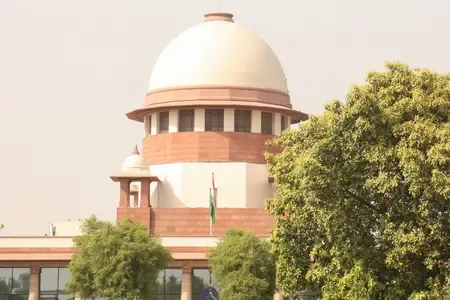
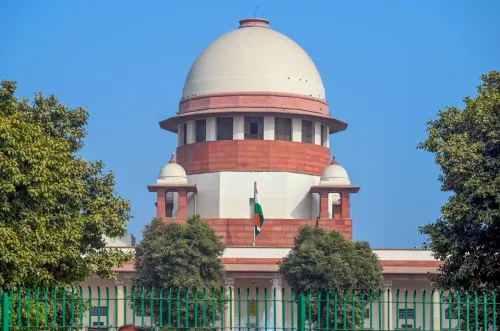
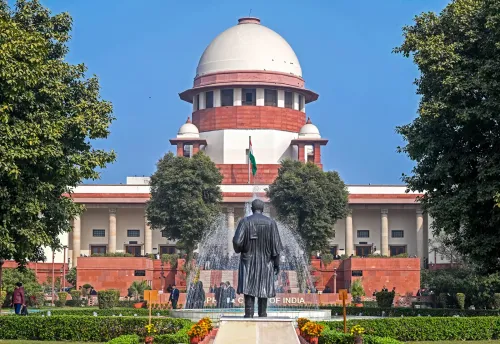
The Union Home Ministry on Thursday, 15 October 2026, clarified that media reports claiming Home Secretary Govind Mohan had tendered an unconditional apology to the Supreme Court in a contempt case linked to the October 10 protest curbs in Delhi are misleading and distort established legal procedure. The Ministry stressed that the opening apology in such affidavits is a mandatory procedural requirement — not an admission of wrongdoing.
What the Ministry Said
The Ministry stated, 'Whenever a contempt notice is issued by the Supreme Court, it is required that the party responding to the notice must begin their affidavit with an unconditional apology. Only thereafter are all other facts and arguments presented.'
It further clarified, 'This is mandatorily followed in every contempt petition. Following this practice, the first paragraph of the affidavits filed by the Home Secretary, Commissioner of Police, and other concerned officials complied with this requirement. Thereafter, detailed particulars in the affidavit have been furnished.'
Background: The October 10 Protest and Internet Curbs
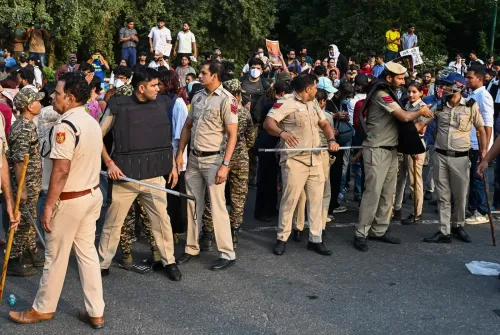
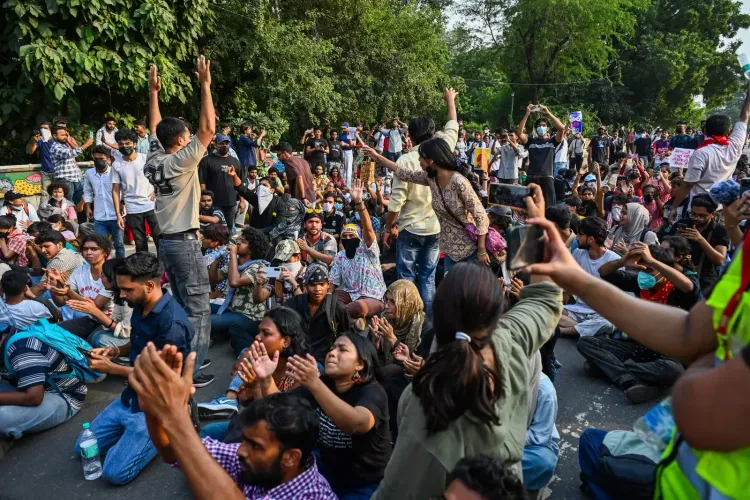
The contempt proceedings stem from a Supreme Court notice issued in connection with the temporary suspension of mobile internet services in parts of central Delhi during the October 10 protest against Chief Election Commissioner (CEC) Gyanesh Kumar, organised by the Cockroach Janata Party (CJP). The government's counter-affidavit, filed on Wednesday, defended the suspension as a proportionate and lawful measure to prevent a disturbance of public order.
Notably, the Centre denied any wilful disobedience of court directions, asserting in its affidavit that all actions taken by the government and the police were fully compliant with the law and that no case of contempt was made out against them.
Centre's Requests Before the Supreme Court
Through its affidavit, the Centre urged the Supreme Court to discharge the contempt notice issued to Home Secretary Govind Mohan. It also sought a modification of the court's existing order to permit future suspension of internet services in situations where such a measure becomes necessary, provided decisions are taken in strict compliance with applicable law and statutory safeguards.
This comes amid heightened scrutiny of the government's powers to impose communication blackouts, an issue that has repeatedly come before the judiciary in recent years. The Supreme Court has previously set out procedural guardrails for internet shutdowns, making the Centre's request for a modification of the order particularly significant.
Why This Matters
The clarification highlights a recurring tension between the government's invocation of public order powers and judicial oversight of fundamental rights, including the right to access the internet. Critics argue that internet shutdowns disproportionately affect ordinary citizens, while the Centre maintains that narrowly targeted suspensions are a necessary and lawful tool in specific circumstances. The Supreme Court's eventual ruling on the contempt notice — and the modification request — could set a precedent for how communication curbs are handled at future public protests.
The matter is expected to come up for further hearing before the Supreme Court in the coming days, with the court's response to the Centre's modification request closely watched by civil liberties advocates and law enforcement agencies alike.
Point of View
Not the procedural apology, is what the court will ultimately adjudicate. If granted, it could recalibrate the balance the Supreme Court struck in earlier internet shutdown rulings, making this far more than a routine contempt response. The framing battle in the press — apology or no apology — risks distracting from that substantive legal contest.
NationPress
15 Oct 2026
Frequently Asked Questions
Why did the Home Ministry issue this clarification?
The Home Ministry clarified that media reports describing the Home Secretary's Supreme Court affidavit as an 'unconditional apology' were misleading. It explained that beginning a contempt-case affidavit with an unconditional apology is a mandatory legal requirement in every such petition, not an acknowledgment of wrongdoing.
What is the contempt notice about?
The Supreme Court issued a contempt notice to Home Secretary Govind Mohan in connection with the temporary suspension of mobile internet services in parts of central Delhi during the October 10 protest against Chief Election Commissioner Gyanesh Kumar, organised by the Cockroach Janata Party (CJP). The court sought an explanation for whether its directions were wilfully disobeyed.
What is the Centre's position in its Supreme Court affidavit?
The Centre maintained that the internet suspension was necessary to prevent a disturbance of public order and was a proportionate, lawful response. It denied wilful disobedience and argued that no case of contempt was made out against the government or police.
What has the Centre requested the Supreme Court to do?
The Centre has asked the Supreme Court to discharge the contempt notice against Home Secretary Govind Mohan. It has also sought a modification of the court's existing order to permit future internet suspensions where such action is necessary and taken in strict compliance with applicable law and statutory safeguards.
What happens next in this case?
The matter is expected to come up for further hearing before the Supreme Court in the coming days. The court's ruling on both the contempt notice and the Centre's modification request will be closely watched, as it could set a precedent for government powers to impose internet shutdowns during public protests.