Delhi internet shutdown Oct 10: Centre defends ban before Supreme Court
Synopsis
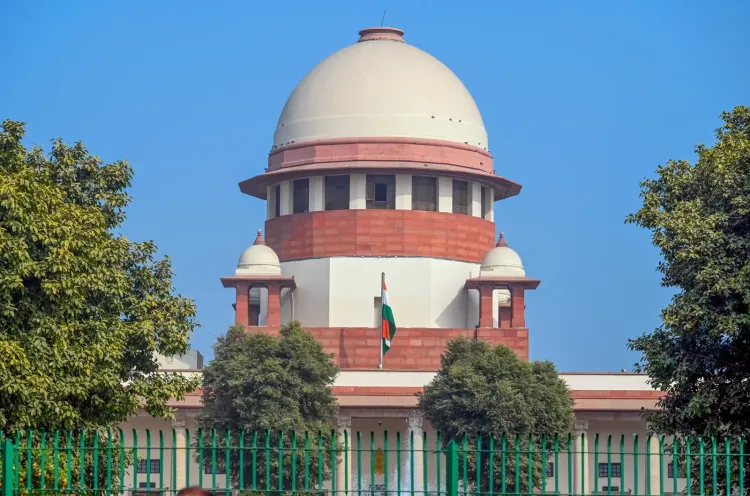
The Centre has gone to the Supreme Court defending a 24-hour mobile internet blackout in a 4 km radius around Raisina Hill on October 10 — imposed during a protest against the Chief Election Commissioner — and is now asking the court to modify its own order to allow such shutdowns in future. With a contempt notice hanging over the Union Home Secretary, the case could reshape India's internet-shutdown jurisprudence.
Key Takeaways
The Central government filed a counter-affidavit before the Supreme Court on 15 October 2026 defending the October 10 mobile internet suspension in central Delhi .
The internet shutdown covered a 4 km radius around Raisina Hill from 10 pm on October 9 to 10 pm on October 10 .
The Cockroach Janata Party (CJP) had organised the protest against Chief Election Commissioner Gyanesh Kumar over alleged irregularities in the Special Intensive Revision (SIR) of electoral rolls.
The Supreme Court had issued a contempt notice to Union Home Secretary Govind Mohan ; the Centre has sought its discharge.
The Centre has also sought a modification of the court's order to permit future internet suspensions when taken in compliance with law.
Contempt notices were also issued to Delhi Police Commissioner Anurag Kumar and DMRC chairperson D.
Thara on October 11 .
The Central government has filed a counter-affidavit before the Supreme Court defending its decision to suspend mobile internet services in parts of central Delhi during the October 10 protest against Chief Election Commissioner (CEC) Gyanesh Kumar, organised by the Cockroach Janata Party (CJP). The Centre denied that it had wilfully disobeyed the court's directions and sought discharge of the contempt notice issued to Union Home Secretary Govind Mohan.
What the Centre's Affidavit Says
Filed on Wednesday, 15 October, the counter-affidavit maintained that the temporary suspension of mobile internet services was necessary to prevent a disturbance of public order and constituted a proportionate response to the prevailing circumstances. The Centre argued that the internet was suspended only from 10 pm on October 9 to 10 pm on October 10, and was limited to a 4 km radius around Raisina Hill.
The government stated the decision was taken following a request from the Delhi Police, which had apprehended a possible law-and-order situation during the proposed demonstration — particularly after organisers announced their intention to proceed despite being denied permission. The affidavit also cited the Delhi Police's experience during a similar episode on 20 July 2026 as part of the justification for imposing preventive restrictions.
The Centre's Plea for a Modified Court Order
Beyond defending the shutdown, the Centre has sought a modification of the Supreme Court's existing order to permit suspension of internet services in situations where such a measure becomes necessary — provided the decision is taken in strict compliance with the law and applicable statutory safeguards. Critics argue this could set a broader precedent for future restrictions on digital access during protests.
Background: The October 10 Protest and Court Intervention
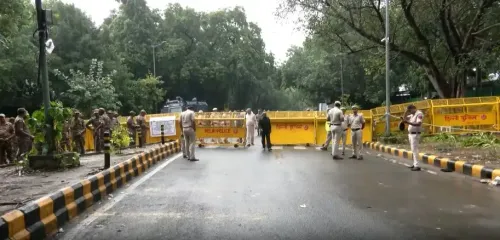
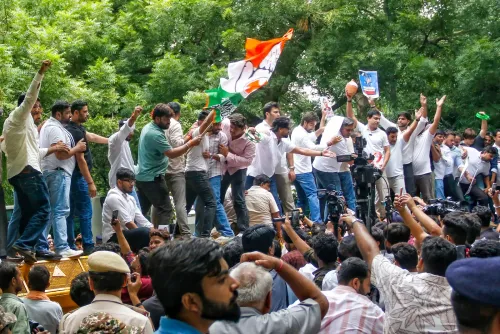
The dispute arose amid extensive security restrictions imposed across the national capital ahead of the October 10 demonstration called by the CJP. The party had planned to protest against the Election Commission of India (ECI) and Chief Election Commissioner Gyanesh Kumar over alleged irregularities in the Special Intensive Revision (SIR) of electoral rolls. The Delhi Police had denied permission for the proposed gathering, citing the short notice given by the organisers.
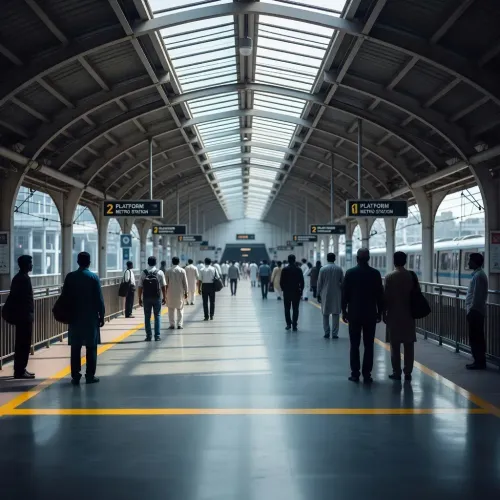
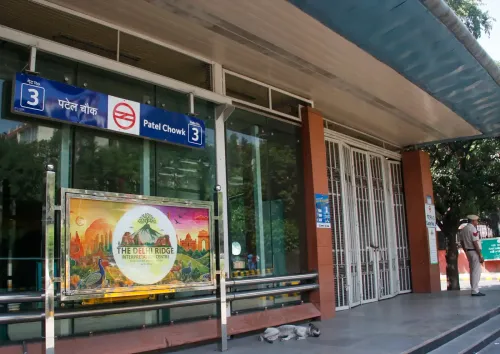
On October 9, the Supreme Court intervened in the matter of restrictions placed on public transport ahead of the protest. The court directed authorities to ensure there was no complete prohibition on the movement of Delhi Metro trains and other trains entering the national capital, while allowing regulation of services wherever necessary. The court also emphasised that security arrangements should not cause undue hardship to members of the public, and directed authorities to widely communicate decisions on transport services.
Contempt Proceedings and Key Respondents
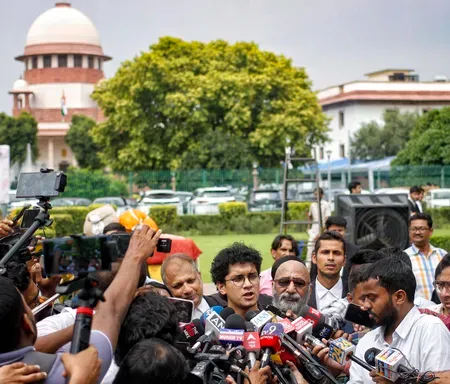
A contempt petition was subsequently filed alleging non-compliance with the court's directions. During a special hearing on October 11, the Supreme Court issued notices to the Centre, Delhi Police Commissioner Anurag Kumar, and Delhi Metro Rail Corporation (DMRC) chairperson D. Thara, seeking their responses to the allegations.
The Centre's counter-affidavit maintained that its actions did not constitute a wilful violation of the court's directions and sought relief from the contempt proceedings initiated against Union Home Secretary Govind Mohan. The Supreme Court is yet to rule on the Centre's plea for modification of its earlier order.
What Happens Next
The matter is now squarely before the Supreme Court, which must weigh the government's public-order justification against constitutional protections for access to communication and the right to peaceful protest. The outcome — particularly any ruling on the Centre's plea to modify the court's existing order — could have significant implications for how internet shutdowns during protests are regulated across India going forward.
Point of View
Effectively seeking judicial cover for a tool that has been used over 700 times in India in recent years. The contempt notice against the Union Home Secretary is what has forced this unusual legal posture: the government cannot simply ignore the court, so it is trying to legitimise the act retrospectively. The deeper question the court must answer is whether a 4 km radius around the seat of government can routinely become a constitutional-rights exclusion zone every time a protest is planned. India's internet-shutdown record already draws international scrutiny; a permissive Supreme Court ruling here would further normalise what democracies elsewhere treat as an extraordinary measure of last resort.
NationPress
15 Oct 2026
Frequently Asked Questions
Why did the Centre suspend mobile internet in Delhi on October 10?
The Centre suspended mobile internet services in a 4 km radius around Raisina Hill from 10 pm on October 9 to 10 pm on October 10, citing the need to prevent a law-and-order breakdown during a protest organised by the Cockroach Janata Party (CJP) against Chief Election Commissioner Gyanesh Kumar. The government says the decision was taken at the request of the Delhi Police, which feared disorder after organisers announced they would proceed despite being denied permission.
What is the Supreme Court contempt notice about?
The Supreme Court issued a contempt notice to Union Home Secretary Govind Mohan after a petition alleged non-compliance with the court's October 9 directions, which had barred a complete shutdown of Delhi Metro and rail services ahead of the protest. The Centre has filed a counter-affidavit denying wilful disobedience and seeking discharge of the contempt notice.
What modification has the Centre sought from the Supreme Court?
The Centre has asked the Supreme Court to modify its existing order to allow authorities to suspend internet services in situations requiring it, provided the decision is taken in strict compliance with law and applicable statutory safeguards. This is a significant ask, as it would give the government broader judicial backing for future shutdowns during protests.
What was the CJP protest about?
The Cockroach Janata Party (CJP) had planned a protest on October 10 against the Election Commission of India (ECI) and Chief Election Commissioner Gyanesh Kumar over alleged irregularities in the Special Intensive Revision (SIR) of electoral rolls. The Delhi Police denied permission for the gathering, citing insufficient notice from the organisers.
Who else received contempt notices from the Supreme Court?
Apart from Union Home Secretary Govind Mohan, the Supreme Court on October 11 issued notices to Delhi Police Commissioner Anurag Kumar and Delhi Metro Rail Corporation (DMRC) chairperson D. Thara, seeking their responses to the contempt allegations arising from the October 10 protest restrictions.