Delhi Police defend Metro curbs, internet ban in SC as proportionate to public order
Synopsis
Delhi Police Commissioner Anurag Kumar offered an unconditional apology to the Supreme Court while defending Metro regulation, an internet suspension request, and mass removals as lawful and proportionate — arguing that intelligence inputs, a 36-day protest violation, and 240 injured officers justified the sweeping pre-emptive action on 10 October 2026.
Key Takeaways
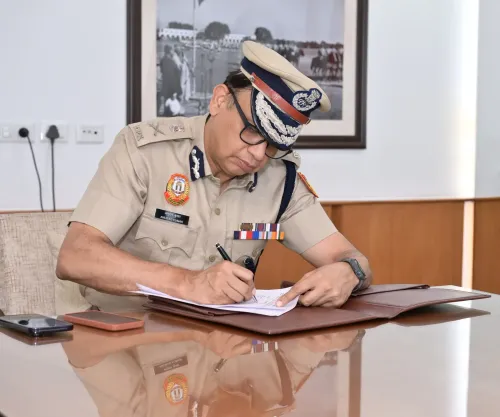
Delhi Police Commissioner Anurag Kumar filed an affidavit before the Supreme Court on 15 October 2026 defending actions taken on 10 October 2026 .
Kumar tendered an unconditional and unqualified apology but denied any wilful non-compliance with the court's 9 October 2026 directions.
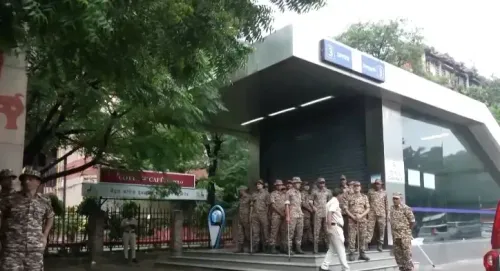
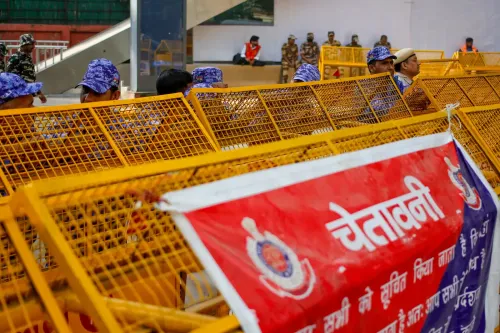
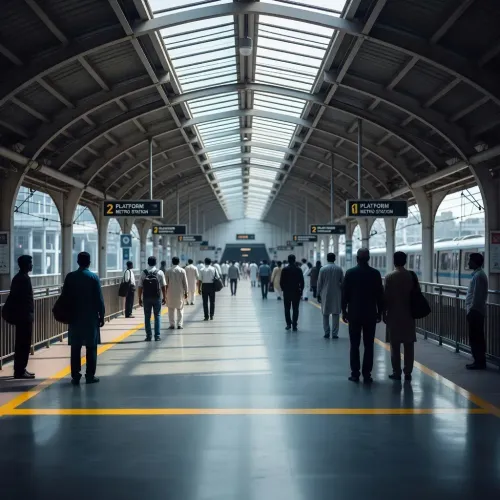
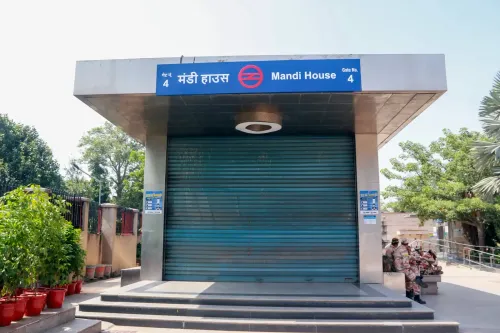
Measures included regulation of Metro rail services , a request to suspend cellular internet , erection of barricades, and removal of individuals from restricted areas.
Police cited a prior protest that ran for 36 days against a permitted one-day window, with gatherings exceeding 35,000 against a cap of 1,000 , and over 240 police injuries .
Those removed were reportedly released within a few hours, well within the statutory 24-hour limit, and were not lodged in lock-ups or jails.
The Supreme Court will decide whether to discharge or continue the contempt notice against the Police Commissioner.
Delhi Police told the Supreme Court on 15 October 2026 that preventive measures taken on 10 October 2026 — including the regulation of Metro rail services, a request to suspend cellular internet services, and the removal of individuals from restricted areas — were bona fide, proportionate, and aimed solely at preventing a disturbance of public order in the national capital. The submission came through an affidavit filed by Delhi Police Commissioner Anurag Kumar in response to contempt proceedings before the apex court.
The Apology and the Defence
Commissioner Anurag Kumar tendered an unconditional and unqualified apology in the affidavit, while simultaneously maintaining that there had been no wilful or deliberate non-compliance with the Supreme Court's directions issued on 9 October 2026. The affidavit was filed in response to contempt proceedings initiated by advocate Shailendra Mani Tripathi, who alleged violations of those directions. The police chief argued that maintaining law and order required a 'delicate balance between the right to protest and the rights of other citizens to lead their normal and peaceful lives.'
What Triggered the Measures
According to the affidavit, intelligence inputs indicated that people could assemble at Jantar Mantar despite a denial of permission for a proposed protest against Chief Election Commissioner (CEC) Gyanesh Kumar. An intimation regarding the planned October 10 protest was reportedly received from the organising body on October 7, following which the competent authority rejected the request on October 9, citing public order concerns and the organisation's prior conduct. Prohibitory orders under Section 163 of the Bharatiya Nagarik Suraksha Sanhita (BNSS) were already in force.
History of Prior Incidents Cited
The police invoked a prior protest on 20 July 2026 to justify the heightened alert. According to the affidavit, the organisation had originally been granted permission for a one-day demonstration at Jantar Mantar between 10 am and 5 pm, with conditions that the gathering remain peaceful, participation be capped at 1,000, and public movement not be obstructed. The police alleged that the organisers violated every condition — continuing the protest for 36 days, assembling over 35,000 participants, and subsequently marching towards Parliament without permission. More than 240 police personnel, including women officers, reportedly sustained injuries during those incidents. Further marches on 6, 7 and 8 October 2026 allegedly caused severe traffic congestion in central Delhi and additional injuries to police.
On Detentions and Conditions of Custody
Addressing the removal of individuals from restricted areas, the affidavit stated that police exercised powers under Section 65 of the Delhi Police Act and Section 172 of the BNSS only in areas where prohibitory orders were operational and where individuals resisted lawful directions. Those removed were reportedly released within a few hours — well within the maximum 24-hour statutory limit — and were neither held in lock-ups nor lodged in jails. Political leaders among those removed were, according to the affidavit, accommodated in police officers' chambers and provided refreshments and meals.
The Broader Argument and What Comes Next
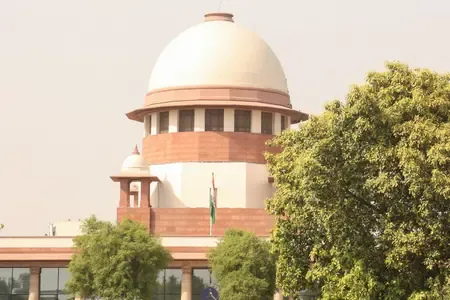
The Delhi Police further argued that the capital's sensitivity — given the presence of Parliament, the Supreme Court, Rashtrapati Bhawan, and multiple foreign diplomatic missions — necessitated a higher threshold of preventive action. The affidavit concluded by asserting that a major public order situation had been averted through timely intervention. Commissioner Kumar sought the discharge of the contempt notice, urging the court to consider the 'peculiar problems and challenges' faced by police administration in the national capital. The Supreme Court is expected to examine the affidavit and determine whether the contempt proceedings will proceed or be closed.
Point of View
Or whether October 10 set a template that future administrations will deploy far more liberally. The invocation of a 36-day protest overstay and 240 police injuries is legally relevant context, but it does not automatically legitimise internet shutdowns — a measure that courts globally have been increasingly sceptical of as a proportionate tool. The burden of proof on 'proportionality' here belongs squarely with the state.
NationPress
15 Oct 2026
Frequently Asked Questions
Why did Delhi Police file an affidavit in the Supreme Court?
Delhi Police Commissioner Anurag Kumar filed an affidavit in response to contempt proceedings initiated by advocate Shailendra Mani Tripathi, who alleged that the police violated the Supreme Court's directions issued on 9 October 2026. The affidavit defended the measures taken on 10 October 2026 as lawful and proportionate while tendering an unconditional apology.
What measures did Delhi Police take on 10 October 2026?
Delhi Police regulated Metro rail services, requested the Centre to suspend cellular internet services, erected barricades, and removed individuals from restricted areas. According to the affidavit, these steps were based on intelligence inputs indicating that people could assemble at Jantar Mantar despite a denial of protest permission.
Were people detained by Delhi Police during the October 10 restrictions?
Yes, individuals were removed from restricted areas under Section 65 of the Delhi Police Act and Section 172 of the BNSS. The affidavit states they were released within a few hours — well before the 24-hour statutory maximum — and were not held in lock-ups or jails. Political leaders among those removed were reportedly accommodated in police officers' chambers.
Why did police deny permission for the October 10 protest?
The competent authority rejected the protest request on 9 October 2026, citing public order concerns and the organising body's prior conduct. Police referenced a July 2026 protest at Jantar Mantar that ran for 36 days against a one-day permit, drew over 35,000 participants against a cap of 1,000, and led to injuries to more than 240 police personnel.
What will the Supreme Court decide next?
The Supreme Court will examine Delhi Police Commissioner Anurag Kumar's affidavit and determine whether to discharge or continue the contempt notice against him. Kumar has sought discharge, arguing that the actions were lawful, proportionate, and did not amount to wilful non-compliance with the court's directions.