Odisha CM Hikes Home Guards Daily Allowance

Synopsis
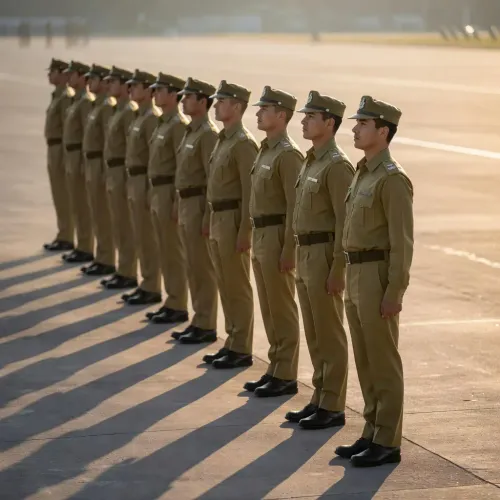
Chief Minister Mohan Majhi has approved a hike in the daily allowance for Odisha Home Guards, the state's auxiliary volunteer security force. The revision aims to improve financial recognition and morale for personnel deployed in law and order, disaster management, and election duties across the state.
Key Takeaways
Chief Minister Mohan Majhi has approved a hike in the daily allowance for Odisha Home Guards .
The announcement was made by the Chief Minister's Office of Odisha on June 10, 2026 .
Odisha Home Guards are a state-level auxiliary volunteer force assisting regular police in law and order, elections, and disaster management.
Periodic allowance revisions are a standard welfare mechanism for Home Guards across Indian states to sustain recruitment and retention.
Odisha is one of India's most disaster-prone states, making active and motivated Home Guards personnel critical to emergency response.
Future budget announcements and Ministry of Home Affairs advisories may shape the next round of allowance revisions.
The Chief Minister's Office of Odisha announced on Wednesday, June 10, 2026 that Chief Minister Mohan Majhi has approved a hike in the daily allowance paid to Odisha Home Guards, strengthening the welfare of the state's auxiliary security volunteers.
Context
Odisha's Home Guards are a state-level auxiliary volunteer force that supplements the regular police in maintaining law and order, conducting election duties, managing natural disasters, and supporting routine policing. The force operates under the Odisha Home Department and draws personnel largely from local communities on a part-time, honorarium-based model.
The allowance revision is a direct welfare measure aimed at improving the financial recognition extended to these volunteers, who are deployed extensively during cyclones, floods, and large-scale public events — situations that Odisha, one of India's most disaster-prone states, faces with regularity.
Policy Backdrop
India's Home Guards system was formally expanded and standardised following the 1962 Sino-Indian conflict, when states including Odisha raised or enlarged their auxiliary units under central guidelines to bolster internal security capacity. Since then, the force has evolved from a civil-defence body into a frontline support arm for state police.
Across Indian states, periodic revisions to Home Guards honoraria and daily allowances are a recognised tool for maintaining recruitment and retention in a force that does not offer permanent employment. The Ministry of Home Affairs periodically issues advisories on uniform allowance norms, though final rates remain a state prerogative.
Stakeholders and Impact
Home Guards personnel across Odisha stand to benefit directly from the revised allowance, which is expected to improve morale among volunteers who are often deployed at short notice for extended durations during emergencies and elections. The hike signals the state government's acknowledgement of their contribution to public safety.
The revision also carries indirect benefits for the state's overall security architecture: better-compensated volunteers are more likely to remain active and responsive, reducing pressure on the regular police force during peak deployment periods such as cyclone season and general elections.
What's Next
Attention will now turn to the state's forthcoming budget cycle to see whether further upward revisions are planned for Home Guards honoraria or allied auxiliary forces. Any central advisory from the Ministry of Home Affairs on harmonising allowance norms across states could also shape the next round of revisions in Odisha and peer states.
The move sets a benchmark that other eastern Indian states with large Home Guards cadres may find difficult to ignore, particularly as competition for auxiliary security volunteers intensifies ahead of future electoral and disaster-management cycles.
Point of View
The move carries both administrative and political value: it addresses a long-standing grievance of a large, geographically dispersed volunteer cadre that is visible in every district during elections and disasters. Broader context matters here — Odisha's exposure to annual cyclones and floods makes a motivated Home Guards force an operational necessity, not merely a welfare gesture. The revision may also create soft pressure on neighbouring states to revisit their own allowance structures ahead of the next electoral cycle.
NationPress
26 Oct 2026
Frequently Asked Questions
What is the Odisha Home Guards allowance hike about?
Chief Minister Mohan Majhi has approved an increase in the daily allowance paid to Odisha Home Guards, the state's auxiliary volunteer security force, as a welfare measure to improve their financial recognition and morale.
Who are Odisha Home Guards?
Odisha Home Guards are a state-level auxiliary volunteer force that assists the regular police in maintaining law and order, managing natural disasters, providing election security, and supporting routine policing duties across the state.
Why is the Odisha government increasing Home Guards allowance?
The revision aims to improve recruitment, retention, and morale among Home Guards volunteers, who are deployed extensively during cyclones, floods, and elections but are compensated on an honorarium basis rather than as permanent employees.
How often do Indian states revise Home Guards allowances?
Indian states periodically revise Home Guards honoraria and daily allowances as part of routine welfare measures, often ahead of or following elections, budget cycles, or central Ministry of Home Affairs advisories on uniform allowance norms.
What is the history of Home Guards in Odisha?
India's Home Guards system was formally expanded after the 1962 Sino-Indian conflict, with states including Odisha raising or enlarging their auxiliary units under central guidelines to strengthen internal security and civil-defence capacity.