How Did Odisha CM Congratulate PM Modi on the US Tariff Deal?
Synopsis
Odisha Chief Minister Mohan Charan Majhi praised Prime Minister Modi for the India-US trade deal, marking a significant evolution in bilateral economic relations. The reduction of tariffs to 18% on Made in India products is set to empower Indian manufacturing and open new avenues for businesses.
Key Takeaways
Historic trade advancement between India and the US.
Reduction of tariffs to 18% on Made in India products.
Boost for Indian manufacturing and MSMEs.
New opportunities for entrepreneurs and startups.
Strengthened Indo-US relations .
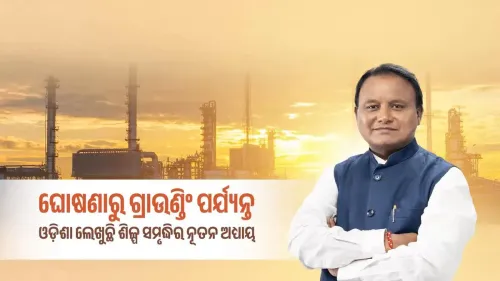
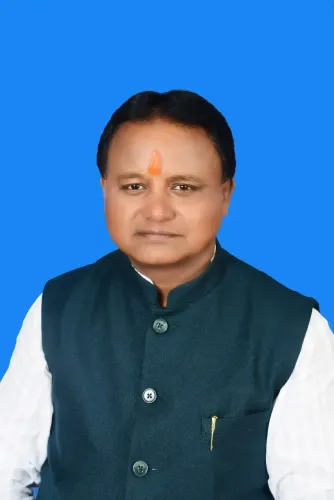
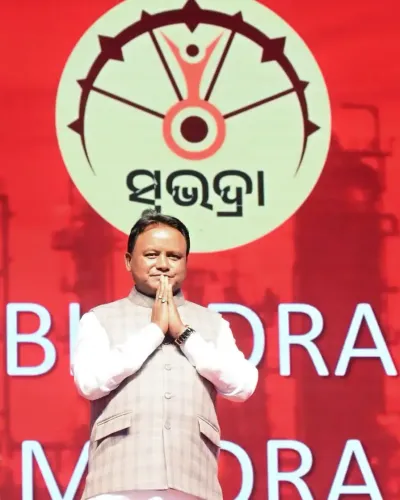
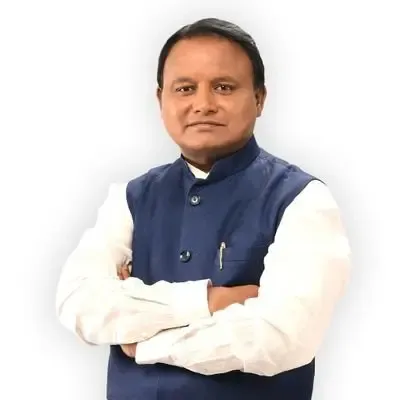
Bhubaneswar, Feb 3 (NationPress) Odisha's Chief Minister Mohan Charan Majhi extended his congratulations to Prime Minister Narendra Modi regarding the recent India-US trade agreement and the significant reduction in tariffs. He characterized this event as a historic leap in the economic relationships between the two nations.
In a post on his X handle, CM Majhi expressed, "This marks a historic leap in the economic partnership between India and the United States, establishing a robust base for enhanced collaboration and mutual prosperity."
He further emphasized that the US's decision to lower tariffs to 18 percent on Made in India goods will provide a vital boost for Indian manufacturing, MSMEs, exporters, and employment opportunities. This tariff reduction is set to unlock broader markets and fresh prospects for entrepreneurs and startups across India.
"I convey my heartfelt congratulations and appreciation to PM Shri @narendramodi Ji for his impactful leadership and people-centered diplomacy, fortifying Indo-US relations and enriching India's global economic stature," the Chief Minister noted.
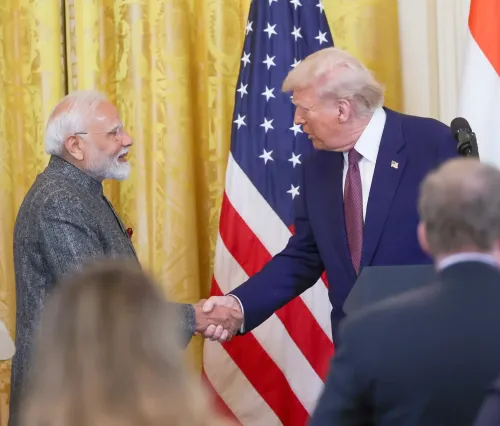
In a pivotal announcement, PM Modi declared that tariffs on ‘Made in India’ products would be reduced to 18 percent after US President Donald Trump indicated the achievement of a historic trade deal between India and the United States.
“I am thrilled to announce that ‘Made in India’ products will now enjoy a reduced tariff of 18 percent. A huge thank you to President Trump on behalf of India’s 1.4 billion citizens for this remarkable announcement,” the Prime Minister shared on his X handle on Monday.
The eagerly anticipated India-US trade agreement revealed by President Trump and Prime Minister Modi received strong support from Indian-American business leaders, while policy veterans offered mixed but mainly positive responses, with advocates calling it a breakthrough and former officials advising caution due to unclear details.
India and the United States have spent years striving to finalize a comprehensive trade framework, with negotiations often hindered by tariff disputes, market-access issues, and political tensions.
Despite these hurdles, bilateral trade has continued to flourish, reaching a remarkable $200 billion.
Point of View
This development signifies a crucial step towards bolstering economic ties between India and the United States. The reduction in tariffs is expected to enhance manufacturing capabilities and export potentials, enabling Indian businesses to thrive in a competitive global landscape. It is vital for the government to ensure that this momentum is sustained and translated into tangible benefits for the economy.
NationPress
17 Sept 2026
Frequently Asked Questions
What is the significance of the India-US trade deal?
The India-US trade deal symbolizes a strengthening of economic ties, with reduced tariffs fostering greater trade opportunities, especially for Indian manufacturers and exporters.
How will the tariff reduction impact Indian businesses?
The reduction in tariffs to 18% is expected to boost Indian manufacturing, aid MSMEs, and create jobs, while also opening new markets for entrepreneurs.
Who announced the reduction in tariffs?
The announcement regarding the reduction in tariffs on Made in India products was made by Prime Minister Narendra Modi.
What was the reaction of business leaders to the trade deal?
Indian-American business leaders have largely endorsed the trade deal, viewing it as a breakthrough, while some policy veterans have called for caution.
What challenges have plagued India-US trade negotiations?
Negotiations have faced challenges due to tariff disputes, market-access concerns, and political tensions between the two nations.