Odisha CM Majhi tables ₹24,150 crore supplementary budget for 2026-27

Synopsis
Odisha CM Mohan Charan Majhi — doubling as Finance Minister — tabled a ₹24,150 crore supplementary budget on Day 1 of the winter Assembly session, with ₹8,312 crore alone going to food subsidies under the Annapurna Yojana and ₹5,100 crore to disaster funds. The scale of welfare and social-protection spending signals the government's priorities heading into the second half of the fiscal year.
Key Takeaways
Odisha CM Mohan Charan Majhi tabled a ₹24,150 crore supplementary budget for 2026-27 on 18 November 2026 . ₹17,990 crore allocated for programme expenditure; ₹5,100 crore for Disaster Response Funds; ₹1,060 crore for administrative costs. ₹8,312 crore earmarked under MukhyaMantri Annapurna Yojana for food subsidy. ₹6,448 crore set aside for SC and ST Development, including ₹3,765 crore under TASP and ₹2,646 crore under SCPSC.
Fiscal deficit projected at around 3% of GSDP ; debt-GSDP ratio to remain within the mandated 25% ceiling.
The supplementary provision follows the state's ₹3.10 lakh crore annual budget passed on 31 March 2026 .
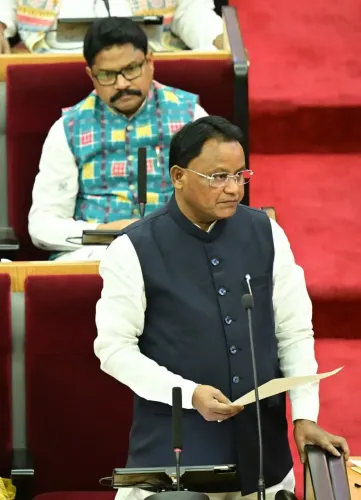
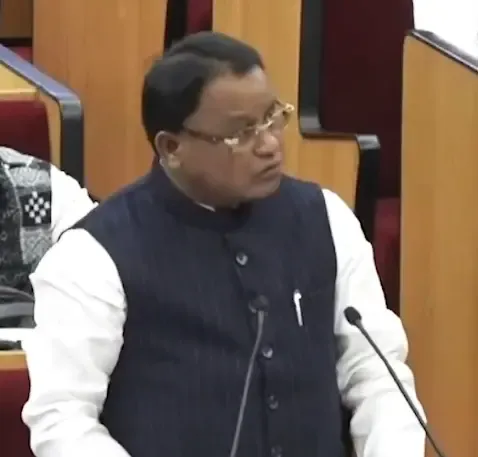
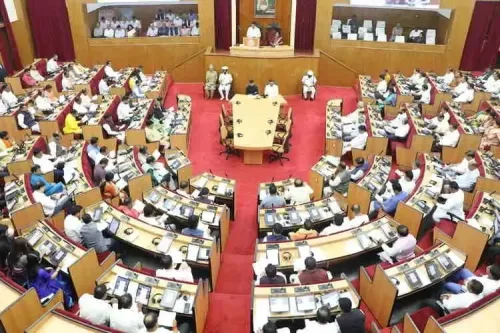
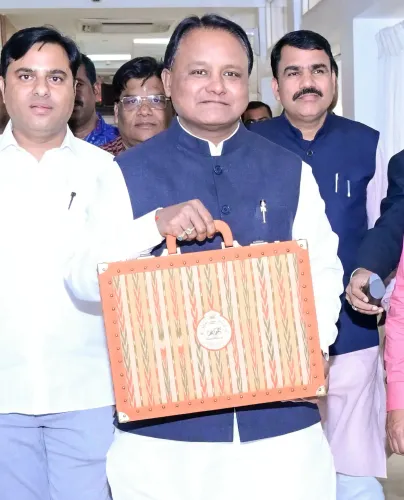
Odisha Chief Minister Mohan Charan Majhi on Wednesday, 18 November 2026, presented a supplementary budget of ₹24,150 crore for the financial year 2026-27 on the first day of the eighth session of the 17th Odisha Legislative Assembly in Bhubaneswar. Majhi, who also holds the Finance portfolio, tabled provisions covering welfare schemes, disaster response, and administrative expenditure.
Budget Breakdown at a Glance
The ₹24,150 crore supplementary provision is divided into three broad heads: ₹17,990 crore for programme expenditure on flagship welfare and development schemes, ₹5,100 crore for Disaster Response Funds, and ₹1,060 crore for administrative expenditure.
Within the ₹17,990 crore programme expenditure, ₹14,228 crore has been earmarked for State Sector Schemes, ₹3,442 crore for Centrally Sponsored Schemes, and ₹320 crore for Central Sector Schemes.
Key Welfare and Development Allocations
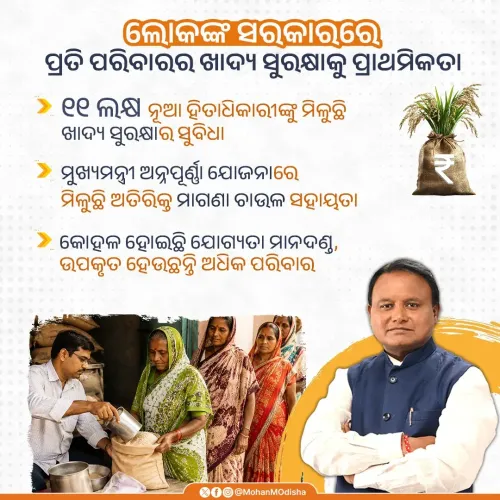
The Food Supplies and Consumer Welfare Department received the largest single allocation — ₹8,389.76 crore — of which ₹8,312 crore has been set aside under the MukhyaMantri Annapurna Yojana for food subsidy. This underscores the government's emphasis on subsidised food access for vulnerable households.
Disaster management received ₹4,999.39 crore, reflecting Odisha's historically high exposure to cyclones and floods. The Health and Family Welfare Department was allocated ₹1,246.33 crore, while School and Mass Education received ₹1,390.74 crore.
Among new initiatives, the government provisioned ₹485 crore for the Gyanodaya–Siksha ru Samruddhi–KG to PG Free Education Scheme, ₹316 crore for the Scheme for Financial Assistance to States for Public Health Infrastructure (FASPHI), ₹174 crore for the Urban Challenge Fund, and ₹550 crore for land acquisition for new railway lines.
Sectoral Priorities: Industry, SC/ST Development, Agriculture
Major sectoral allocations include ₹843 crore for Industries and the MSME sector, and a combined ₹6,448 crore for SC and ST Development — comprising ₹3,765 crore under the Tribal Area Sub-Plan (TASP) and ₹2,646 crore under the Special Component Plan for Scheduled Castes (SCPSC). Infrastructure development received ₹2,359 crore and the Agriculture and Allied sector ₹1,606 crore.
Fiscal Responsibility Compliance
The state government stated that the supplementary budget complies with Fiscal Responsibility and Budget Management (FRBM) norms, with the additional provision backed by savings, surrendered funds, or additional Central grants. The government projected a revenue surplus, a fiscal deficit contained at around 3% of GSDP, and a debt-to-GSDP ratio within the mandated ceiling of 25%.
Notably, Odisha had already passed an annual budget of ₹3.10 lakh crore for 2026-27 on 31 March 2026, making this supplementary provision an additional layer to fund emerging priorities through the remainder of the fiscal year.
Point of View
150 crore layered on top of a ₹3.10 lakh crore annual outlay — reflects a government stretching to respond to both structural welfare demands and recurring disaster costs. The ₹8,312 crore food subsidy provision alone signals that Majhi's administration is leaning heavily on direct-benefit populism ahead of the political calendar. Yet the size of the disaster response allocation (₹5,100 crore) is a reminder that Odisha's fiscal planning is perennially hostage to climate risk, and the FRBM compliance claim — dependent on savings and surrenders — deserves scrutiny rather than automatic acceptance.
NationPress
18 Nov 2026
Frequently Asked Questions
What is the Odisha supplementary budget for 2026-27?
It is an additional provision of ₹24,150 crore tabled by Chief Minister Mohan Charan Majhi on 18 November 2026 during the eighth session of the 17th Odisha Assembly. The budget supplements the ₹3.10 lakh crore annual budget passed on 31 March 2026, covering welfare programmes, disaster response, and administrative needs for the remainder of the financial year.
What is the MukhyaMantri Annapurna Yojana allocation in the supplementary budget?
The Odisha government has provisioned ₹8,312 crore under the MukhyaMantri Annapurna Yojana for food subsidy, out of a total ₹8,389.76 crore allocated to the Food Supplies and Consumer Welfare Department. This is the single largest departmental allocation in the supplementary budget.
How much has Odisha allocated for disaster response in the supplementary budget?
The supplementary budget allocates ₹5,100 crore specifically to Disaster Response Funds, in addition to ₹4,999.39 crore for the Disaster Management Department under programme expenditure. Odisha is historically vulnerable to cyclones and floods, making disaster preparedness a recurring fiscal priority.
Is the Odisha supplementary budget compliant with FRBM norms?
The state government has stated that the supplementary budget complies with Fiscal Responsibility and Budget Management (FRBM) norms, with the additional provision backed by savings, surrendered funds, or additional Central grants. The government projects a revenue surplus and a fiscal deficit of around 3% of GSDP, with the debt-to-GSDP ratio within the mandated 25% ceiling.
What are the new schemes funded in the Odisha supplementary budget?
New initiatives provisioned in the budget include ₹485 crore for the Gyanodaya–Siksha ru Samruddhi–KG to PG Free Education Scheme, ₹316 crore for the FASPHI public health infrastructure scheme, ₹174 crore for the Urban Challenge Fund, and ₹550 crore for land acquisition for new railway lines.