Odisha CMO honours Anganwadi and ASHA workers
Synopsis
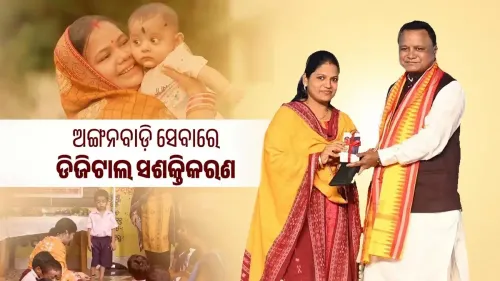
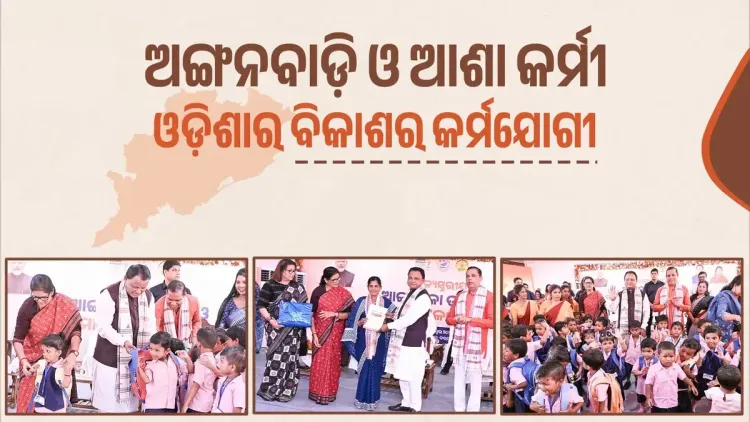
The Chief Minister's Office of Odisha on 29 September 2026 publicly honoured Anganwadi workers, sahayikas and ASHA workers, calling their selfless service across child nutrition, early education and maternal health the bedrock of the state's development journey.
Key Takeaways
The Chief Minister's Office of Odisha posted a tribute on 29 September 2026 recognising Anganwadi workers, sahayikas and ASHA workers as grassroots 'karmayogis'.
Anganwadi workers operate under the Integrated Child Development Services (ICDS) scheme, launched in 1975 , delivering nutrition, preschool education and health services.
ASHA workers were introduced in 2005 under the National Rural Health Mission to link rural communities with government health facilities.
The post highlighted their work across child nutrition, early education, and maternal and child health — often simultaneously.
No specific new policy announcement was made, but the public framing of 'recognition' often precedes state-level budgetary or training decisions for these cadres.
Odisha has consistently cited these frontline cadres as key to improvements in its human development indicators , including infant mortality and institutional deliveries.
They work at the last mile of India's welfare state — reaching mothers in remote villages, tracking malnourished children, and ensuring that a newborn's first weeks are met with care rather than neglect. On Tuesday, 29 September 2026, the Chief Minister's Office of Odisha used its official platform to publicly acknowledge the contribution of Anganwadi workers, helpers (sahayikas), and ASHA workers to the state's development journey, calling their selfless service the foundation of Odisha's human progress.
The post, written in Odia, stated: 'ଓଡ଼ିଶାର ବିକାଶ ଯାତ୍ରାରେ ତୃଣମୂଳସ୍ତରର କର୍ମଯୋଗୀଙ୍କ ଅବଦାନକୁ ସମ୍ମାନ ମିଳୁଛି' — 'The contribution of grassroots karmayogis to Odisha's development journey is receiving recognition.' It went on to describe how these workers fulfil not one but multiple responsibilities with dedication, spanning child nutrition, early education, and maternal and child health.
Who Anganwadi and ASHA workers actually are
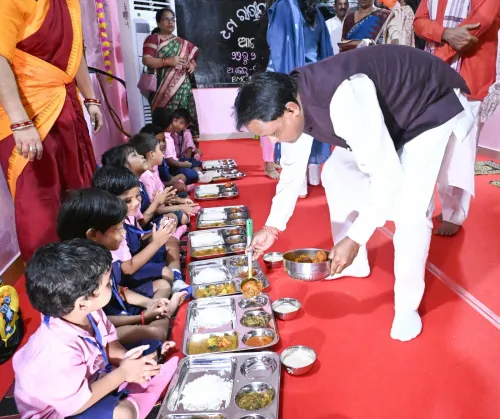
Anganwadi workers are the frontline engine of the Integrated Child Development Services (ICDS), a central government scheme launched in 1975 to combat child malnutrition and support early childhood development. Each Anganwadi centre is typically staffed by a worker and a helper — the 'sahayika' — who together serve a cluster of households, tracking growth charts, distributing supplementary nutrition, and running pre-school activity sessions.
ASHA workers — Accredited Social Health Activists — were introduced in 2005 under the National Rural Health Mission as a community bridge between rural populations and government health facilities. They escort pregnant women to hospitals, counsel new mothers on breastfeeding, and mobilise families for immunisation drives. Together, these two cadres form the connective tissue of India's public health infrastructure in its most underserved pockets.
Odisha's consistent bet on grassroots health cadres
Odisha has over the years positioned these workers as central actors in improving its human development indicators — a state that has made measurable strides in reducing infant mortality and improving institutional deliveries. The CMO's acknowledgement frames their work not as routine government service but as a moral enterprise: 'niḥsvārtha sevā' — selfless service — that 'further strengthens Odisha's journey of development.'
The framing carries political weight too. State governments across India periodically spotlight Anganwadi and ASHA workers — especially ahead of budget cycles or welfare scheme reviews — signalling possible follow-through on revised honoraria, additional training, or performance recognition. No specific new policy was announced in this post, but the language of 'honour' and 'recognition' is rarely coincidental.
For now, the message is an unambiguous public salute to the women who show up, every day, at the doorstep of India's hardest problems. Whether it is backed by new resources will be the next question worth asking.
Point of View
Benefits and formal employment status. Public recognition from a Chief Minister's Office can be a precursor to policy action, but it can also function as a substitute for it. Odisha's framing of these workers as 'karmayogis' — a term with deep moral resonance — raises the stakes of any follow-up: once you publicly canonise a workforce, leaving their compensation unchanged becomes a harder political position to hold.
NationPress
29 Sept 2026
Frequently Asked Questions
Who are Anganwadi workers and what do they do in Odisha?
Anganwadi workers are frontline government employees under the Integrated Child Development Services scheme, running local centres that provide supplementary nutrition, preschool education and basic health services to children under six and pregnant or lactating mothers. In Odisha they are paired with a helper called a sahayika.
What is the difference between an ASHA worker and an Anganwadi worker?
ASHA (Accredited Social Health Activist) workers focus primarily on health outreach — escorting mothers to hospitals, mobilising immunisation and counselling families — and were introduced in 2005 under the National Rural Health Mission. Anganwadi workers have a broader mandate covering nutrition, early education and health under the ICDS scheme launched in 1975.
Why did the Odisha CMO post a tribute to Anganwadi and ASHA workers?
The Chief Minister's Office of Odisha on 29 September 2026 publicly honoured these workers for their 'selfless service' spanning child nutrition, early education and maternal health. No specific new policy was announced, but such tributes often precede budget decisions on honoraria or training.
What is the ICDS scheme and when was it started?
The Integrated Child Development Services (ICDS) scheme was launched by the central government in 1975 to combat child malnutrition and support early childhood care and development. It operates through a network of Anganwadi centres across India.
Are Anganwadi and ASHA workers government employees?
They are classified as honorary volunteers or scheme workers rather than regular government employees, which means they receive honoraria rather than salaries and typically do not enjoy full government service benefits — a long-standing grievance of both cadres.