Odisha orders salary deductions for govt employees dodging alimony, maintenance orders
Synopsis
Odisha has cut out the middleman entirely — if a male state government employee ignores a court order to pay maintenance or alimony, the salary bill will do it for him. CM Majhi's directive, triggered by a steady stream of grievance-hearing complaints, routes payments directly from payroll to the bank accounts of wives and children, and will be embedded in the state's HRMS.
Key Takeaways
Odisha CMO issued the directive on 30 August , ordering direct salary deductions for male government employees defaulting on court-ordered maintenance or alimony.
CM Mohan Majhi acted after receiving roughly 2–3 complaints per state grievance hearing involving women and children denied maintenance.
The Drawing and Disbursing Officer (DDO) will deduct the court-specified amount from monthly salary bills and electronically transfer funds to entitled wives or children.
Court-directed maintenance matters will be integrated into the state's Human Resources Management System (HRMS) for automated, systemic compliance.
The mechanism covers both ongoing maintenance cases and alimony arising from divorce proceedings.
The Odisha government has directed that court-ordered maintenance grants and alimony be deducted directly from the salaries of male state government employees who defy judicial directions to support their wives or children. The order, issued by the Chief Minister's Office (CMO) on Sunday, 30 August, follows a pattern of complaints received during state-level grievance hearings in Bhubaneswar.
What Prompted the Decision
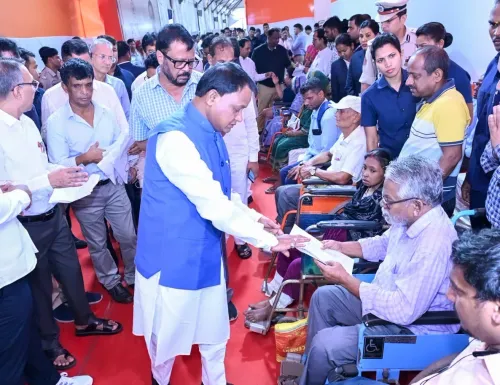
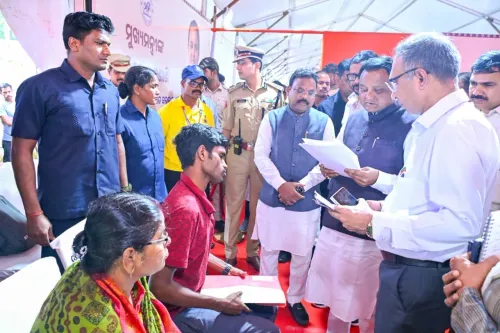
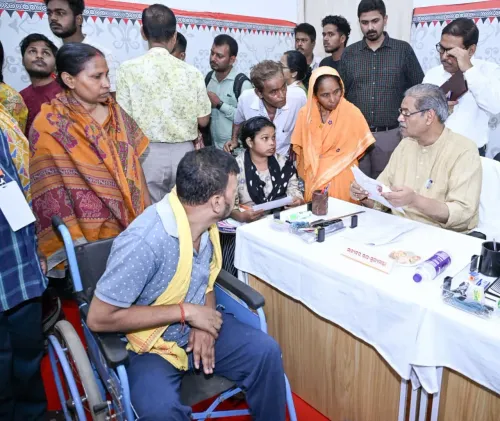
Chief Minister Mohan Majhi took strong note of the issue after receiving roughly two to three complaints per grievance hearing involving women and children denied court-mandated maintenance by government employees. Complaints spanned both ongoing maintenance cases and alimony disputes arising from divorce proceedings. The frequency of these grievances at the state's own public hearings underscored the gap between judicial orders and actual compliance.
How the New Mechanism Works
Under the guidelines issued following the Chief Minister's directive, the departmental Drawing and Disbursing Officer (DDO) will be responsible for executing the deductions. Once a court order is received, the DDO will deduct the court-specified amount while preparing the employee's monthly salary bill and electronically transfer it directly into the designated bank accounts of the entitled wife or children. The process removes the defaulting employee from the payment chain entirely.
HRMS Integration for Systemic Compliance
Chief Minister Majhi has also directed officials to integrate court-directed maintenance matters into the state's Human Resources Management System (HRMS). The move is aimed at automating compliance, reducing manual intervention, and ensuring timely disbursement. This systemic integration signals that the government intends the mechanism to be durable rather than a one-off administrative instruction.
What the Government Said
'Being a government employee of the state, defying a court order, and subjecting one's wife and children to such injustice is completely unacceptable to the state government,' Chief Minister Majhi said in the official statement.
Impact and What Comes Next
The new framework is expected to provide immediate relief to women and children who have struggled to receive maintenance despite holding valid court orders. It places the compliance burden squarely on the state's payroll machinery rather than on the aggrieved party to pursue recovery. Notably, this is among the more direct administrative interventions by a state government to enforce family court orders through salary mechanisms. How swiftly departments operationalise the DDO instructions — and whether the HRMS integration is completed on schedule — will determine the policy's real-world impact.
Point of View
Bypassing the enforcement gap that typically exists between a family court judgment and actual payment. But the policy's durability depends on two things: how quickly departments brief their DDOs, and whether the HRMS integration is genuinely completed rather than announced and shelved. The deeper question is why it took repeated grievance-hearing complaints to trigger a mechanism that family courts and state payroll systems could, in principle, have coordinated years ago. Other states with similar grievance backlogs should be watching Odisha's implementation closely.
NationPress
15 Oct 2026
Frequently Asked Questions
What has the Odisha government ordered regarding alimony and maintenance payments?
The Odisha government has directed that court-ordered maintenance or alimony be deducted directly from the monthly salaries of male state government employees who fail to comply with judicial directions. The deducted amount will be electronically transferred to the bank accounts of the entitled wife or children.
Why did Chief Minister Majhi issue this directive?
CM Mohan Majhi issued the directive after noticing a recurring pattern of roughly two to three complaints per state-level grievance hearing from women and children who were being denied court-mandated maintenance by government employees. The frequency of complaints at public hearings highlighted a systemic compliance failure.
Who is responsible for executing the salary deductions?
The departmental Drawing and Disbursing Officer (DDO) is responsible. Once a court order is received, the DDO deducts the specified amount while preparing the employee's monthly salary bill and transfers it electronically to the designated accounts.
How will the process be made systematic and automated?
The Chief Minister has directed that court-directed maintenance matters be integrated into Odisha's Human Resources Management System (HRMS). This is intended to automate compliance and ensure timely disbursement without relying on manual follow-up.
Does this order cover divorce-related alimony as well?
Yes. The directive covers both ongoing maintenance grant cases involving wives and children, and alimony payments arising from divorce-related proceedings where government employees have defaulted despite court orders.