Odisha signs JVA with NLC India for 1,000 MW green energy push
Synopsis
Odisha has formalised a 1,000 MW renewable energy joint venture with NLC India's subsidiary NIRL, combining 250 MW of wind and 225 MW of floating solar in a 51:49 equity structure with state agency OREDA. It is one of the most structured state-level green energy partnerships in eastern India, and a direct play on meeting India's 2030 clean power targets.
Key Takeaways
Odisha signed a Joint Venture Agreement with NLC India Limited on 23 June at Kharavela Bhavan, Bhubaneswar .
The Joint Venture Company (JVC) targets 1,000 MW of renewable energy capacity across Odisha.
Project mix includes 250 MW wind power and 225 MW floating solar power , plus other renewable initiatives.
Equity split: 51% held by NIRL (NLC India Renewables Limited) and 49% by OREDA .
The JVC board will have five members — three from NIRL, two from OREDA.
The venture is aimed at fulfilling Odisha's Renewable Purchase Obligation (RPO) targets and supporting India's 500 GW clean energy goal by 2030.
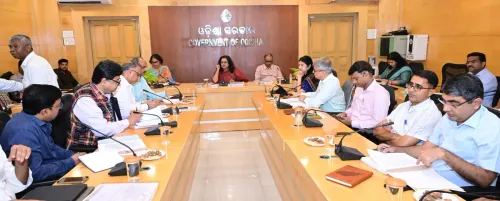
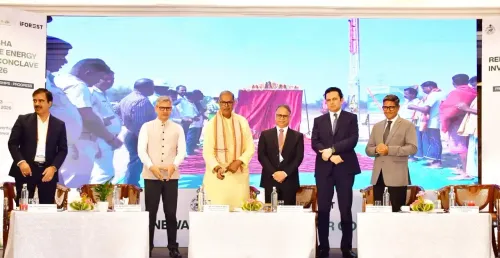
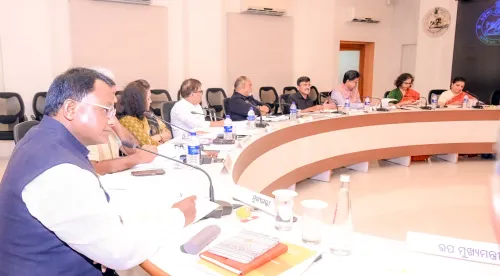
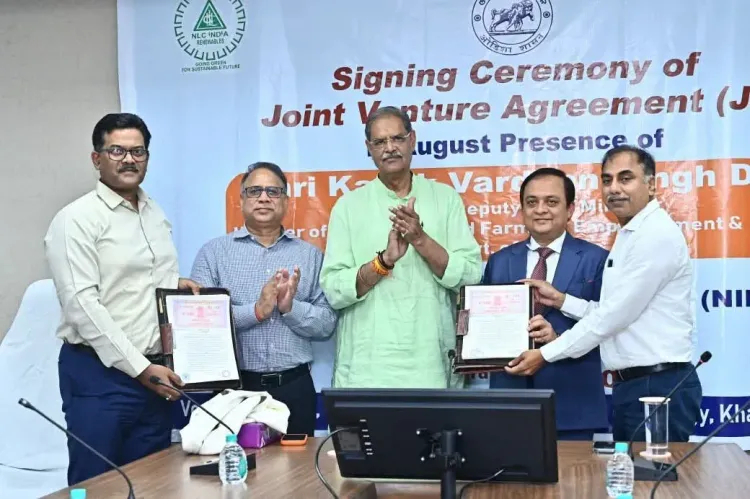
The Odisha government on Tuesday, 23 June signed a Joint Venture Agreement (JVA) with NLC India Limited, a Navratna Public Sector Undertaking, to fast-track the state's shift toward sustainable energy. The agreement, inked at Kharavela Bhavan in Bhubaneswar, targets the development of 1,000 MW of green energy capacity across Odisha.
Structure of the Joint Venture
The JVA was executed between NLC India Renewables Limited (NIRL), a wholly owned subsidiary of NLC India Limited, and OREDA Limited (Odisha Renewable Energy Development Agency), operating under the state's Energy Department. The newly formed Joint Venture Company (JVC) will carry an equity structure of 51 per cent held by NIRL and 49 per cent by OREDA. Its Board of Directors will comprise five members — three nominated by NIRL and two by OREDA.
What the Project Portfolio Covers
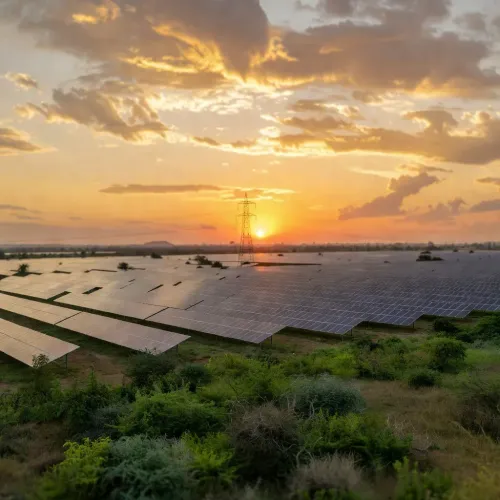
The venture's energy mix spans a range of renewable sources. Key components include 250 MW of wind power and 225 MW of floating solar power projects, alongside other renewable energy initiatives. The floating solar component is particularly significant given Odisha's water reservoir infrastructure, which offers untapped potential for this technology.
What the Government Said
Deputy Chief Minister and Energy Minister Kanak Vardhan Singh Deo, who presided over the signing ceremony, described the collaboration as a defining moment for the state's energy landscape. He said the partnership would combine Odisha's renewable resource potential with NIRL's technical and financial expertise to meet the state's Renewable Purchase Obligation (RPO) targets.
'This venture will catalyse sustainable industrial growth and cement Odisha's position as a hub for green innovation in India,' Singh Deo said.
Additional Chief Secretary Vishal Kumar Dev called the initiative a pivotal step in strengthening Odisha's institutional capacity to manage large-scale renewable projects, adding that it reinforces the state's commitment to a cleaner future.
Why This Matters for Odisha
Odisha has been expanding its industrial base — particularly in steel, aluminium, and chemicals — sectors that carry high energy demand. Securing a reliable, green power supply through a structured JVC with a Navratna PSU lends both financial credibility and execution capacity to the state's clean energy ambitions. This comes amid India's broader push to achieve 500 GW of non-fossil fuel capacity by 2030, with states increasingly required to meet rising RPO thresholds. For Odisha, the 1,000 MW target through this JVC represents a meaningful step toward that national commitment.
What Comes Next
With the JVC's governance structure now formalised, project development work — including site identification, grid connectivity planning, and financial closure — is expected to proceed in the coming months. The wind and floating solar components will likely require environmental clearances and land or water-body allocation, which will be key milestones to watch.
Point of View
000 MW target is ambitious for a state that has historically lagged coastal peers like Tamil Nadu and Gujarat on renewable deployment. Whether this JVC accelerates the pipeline or becomes another MoU-to-execution gap story will depend on how quickly NIRL and OREDA move from governance paperwork to ground-breaking.
NationPress
22 Sept 2026
Frequently Asked Questions
What is the Odisha-NLC India Joint Venture Agreement about?
The Odisha government and NLC India Limited have formed a joint venture to develop 1,000 MW of renewable energy projects in Odisha. The JVC is structured between NLC India Renewables Limited (NIRL) and OREDA, with a 51:49 equity split in favour of NIRL.
What types of renewable energy projects are planned under this JVC?
The venture will develop 250 MW of wind power and 225 MW of floating solar power, alongside other renewable energy projects, as part of a diversified green energy portfolio.
Who are the key parties in this joint venture?
The two parties are NLC India Renewables Limited (NIRL), a wholly owned subsidiary of the Navratna PSU NLC India Limited, and OREDA Limited (Odisha Renewable Energy Development Agency), under Odisha's Energy Department.
What is the governance structure of the Joint Venture Company?
The JVC will have a five-member Board of Directors — three nominated by NIRL and two by OREDA. NIRL holds 51 per cent equity and OREDA holds 49 per cent.
Why is this JVC significant for Odisha?
The venture is designed to help Odisha meet its Renewable Purchase Obligation targets and contribute to India's national goal of 500 GW non-fossil fuel capacity by 2030. It also supports the state's growing industrial energy demand from sectors like steel, aluminium, and chemicals.