Odisha CMO: Vet Camps for Livestock in Malkangiri Amid Cyclone Arnab
Synopsis
The Chief Minister's Office of Odisha has activated veterinary health camps in cyclone-hit Malkangiri district, providing medical care and fodder to livestock during Cyclone Arnab — part of the state's battle-tested disaster response playbook built after the 1999 super cyclone.
Key Takeaways
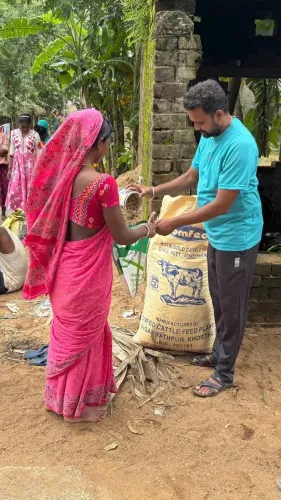
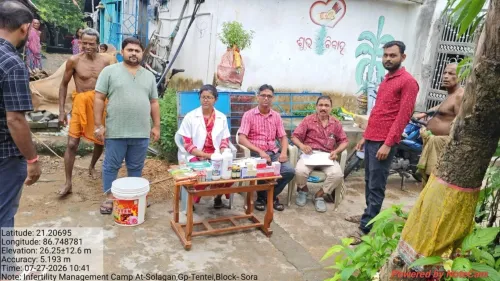
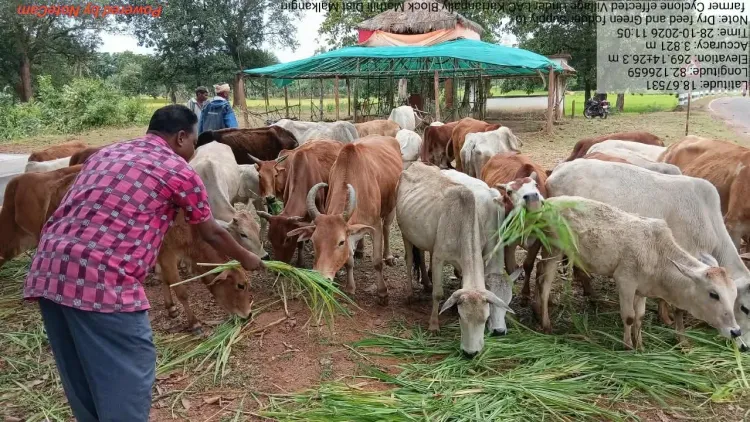
Veterinary health camps are operational in Malkangiri district during Cyclone Arnab , providing medical treatment and fodder to domestic animals.
The initiative is led by the Chief Minister's Office of Odisha as part of the state's integrated cyclone disaster response.
Malkangiri is a largely tribal, rural district in southern Odisha where livestock are a primary livelihood asset.
Odisha formalised animal welfare within its disaster management framework following the catastrophic 1999 super cyclone , with the model refined during Cyclone Fani in 2019 .
The camps address the two main post-cyclone threats to livestock: untreated injury or illness, and fodder scarcity caused by flooded pastures and broken supply chains.
Post-storm assessment of livestock losses in southern Odisha districts will be a key indicator of the intervention's reach and effectiveness.
When a cyclone bears down on southern Odisha, the most vulnerable victims often have no voice — and four legs. Recognising that, the Chief Minister's Office of Odisha announced on Thursday, 29 October 2026 that veterinary health camps are actively running in Malkangiri district to protect and care for livestock caught in the path of Cyclone Arnab.
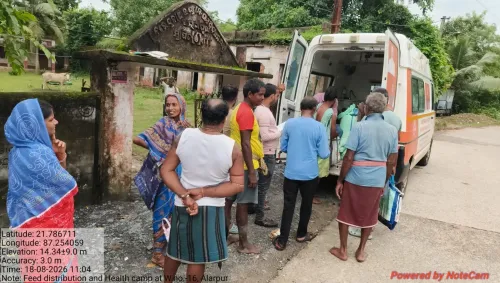
The camps are providing essential medical treatment and fodder to domestic animals, ensuring their health and survival through the storm. As the CMO stated: 'Veterinary health camps in Malkangiri district are providing essential medical care and fodder to livestock to ensure their safety and well-being during Cyclone Arnab.'
Why Malkangiri — and Why Livestock Matter Here
Malkangiri sits in the southernmost tip of Odisha, a district with a predominantly tribal and rural population whose livelihoods are deeply intertwined with livestock. A cow, a goat, or a pair of bullocks is not just an animal here — it is savings, agricultural labour, and food security combined. When a cyclone sweeps through and an animal is lost or falls ill, a family's economic footing can collapse overnight.
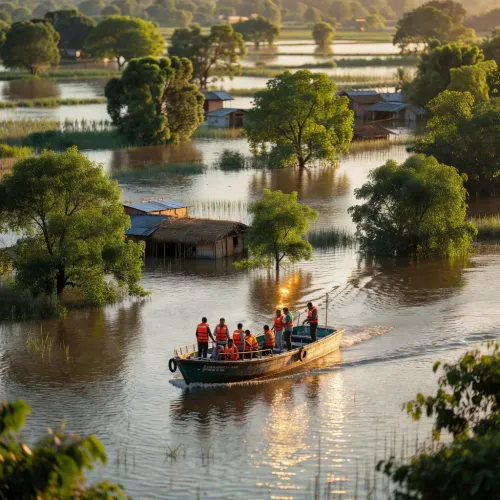
The district's geography — close to the Bay of Bengal weather corridor and prone to cyclonic winds and flooding — makes it a recurring flashpoint for animal casualties during storms. Getting veterinary teams and fodder supplies into such terrain during an active weather event is a logistical challenge the state has been sharpening for decades.
Odisha's Livestock-in-Disaster Playbook, Built Over 25 Years
The blueprint for what is unfolding in Malkangiri was written in blood and loss after the devastating 1999 super cyclone, which killed tens of thousands of animals across Odisha and wiped out rural livelihoods across entire talukas. That catastrophe forced policymakers to include animal welfare explicitly within the state's disaster management architecture — a step most Indian states have still not formalised at scale.
By the time Cyclone Fani struck in 2019, Odisha had evolved a markedly more integrated response: veterinary officers were pre-positioned, emergency fodder stocks were pre-staged, and mobile camps were activated within hours of the storm clearing. The camps now running in Malkangiri during Cyclone Arnab are the direct institutional descendant of those hard-won lessons.
What the Camps Are Delivering on the Ground
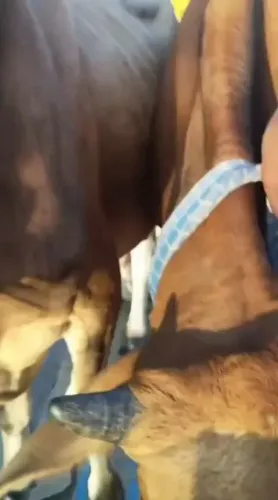
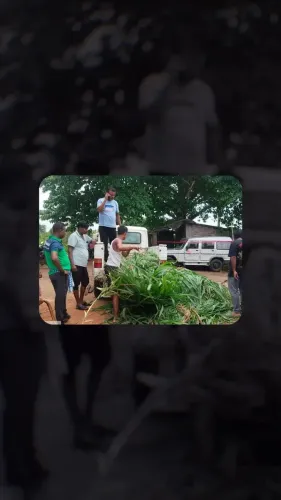
The veterinary health camps are offering two immediate interventions: medical care for injured or distressed animals, and fodder distribution to address the feed shortage that typically follows when pastures flood and supply chains snap. Together, these measures address the two most common causes of livestock loss in cyclone aftermath — untreated injury or illness, and starvation.
State government watchers will now track whether similar camps are extended to other vulnerable southern districts as Cyclone Arnab's track becomes clearer, and what post-storm livestock loss assessments reveal about the scale of impact on rural households in the region.
Odisha has long argued that protecting an animal during a disaster is, in effect, protecting the family that owns it. The camps in Malkangiri are that argument, made real.
Point of View
Institutionalised approach to disaster management that goes beyond human relief — recognising that rural livelihoods are inseparable from animal welfare. This positions the state as a model for integrating livestock protection into India's broader disaster preparedness framework, a gap most states have yet to address systematically. The move also carries political salience: in a tribal-majority district where state presence is often contested, a visible, on-the-ground welfare intervention during a crisis is as much a trust-building exercise as it is emergency management. Whether the scale of the camps matches the eventual scale of need will be the real test of this commitment.
NationPress
29 Oct 2026
Frequently Asked Questions
What are the veterinary health camps doing in Malkangiri during Cyclone Arnab?
The camps are providing essential medical care and fodder distribution to domestic livestock in Malkangiri district to protect their health and survival during Cyclone Arnab.
Why is Malkangiri district specifically targeted for livestock relief?
Malkangiri is a southern Odisha district with a large tribal and rural population heavily dependent on livestock for their livelihoods, making it especially vulnerable to animal losses during cyclones.
How has Odisha built its system for protecting animals during cyclones?
Odisha developed its livestock-in-disaster protocols after the devastating 1999 super cyclone and refined them further during Cyclone Fani in 2019, progressively integrating animal health services into its official disaster management framework.
Who announced the veterinary camps in Malkangiri for Cyclone Arnab?
The Chief Minister's Office of Odisha announced the activation of the veterinary health camps via its official account on 29 October 2026.
What happens to livestock during cyclones in Odisha?
Livestock face two primary threats during cyclones — injuries or illness from the storm itself, and starvation when pastures flood and fodder supply chains break down. Odisha's veterinary camps address both with on-site medical care and emergency fodder supplies.