Omar Abdullah chairs IFFJK-2026 meet to revive Kashmir's film legacy
Synopsis
Kashmir was once Bollywood's favourite backdrop — then militancy shut it down. Now CM Omar Abdullah is betting on a four-day international film festival in September 2026 to reclaim that legacy, linking cinematic revival directly to tourism, investment, and jobs in J&K.
Key Takeaways
J&K CM Omar Abdullah chaired a review meeting on 30 June 2025 for the inaugural International Film Festival of Jammu and Kashmir (IFFJK) 2026 .
The proposed four-day festival is scheduled for September 2026 and will feature international competition, documentaries, short films, workshops, and cultural programmes.
Abdullah directed that local film-makers, artisans, and creative professionals be meaningfully integrated into the festival through networking and business engagements.
A special segment will recognise cinema personalities who kept Kashmir's film legacy alive over the decades.
An AI-enabled mobile application and dedicated digital ecosystem are planned for festival management and audience engagement.
Representatives of the National Film Development Corporation (NFDC) attended the planning meeting alongside senior J&K government officials.
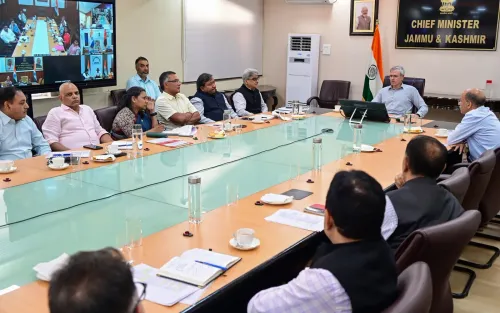
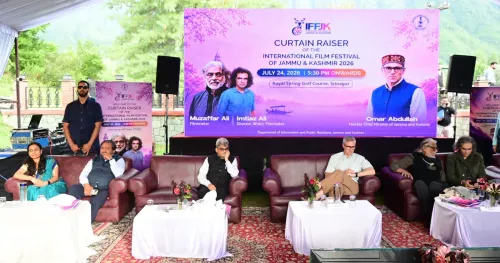
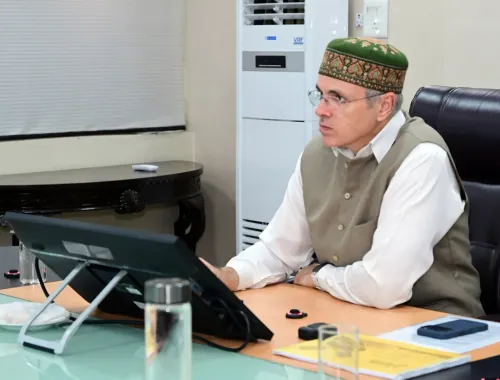
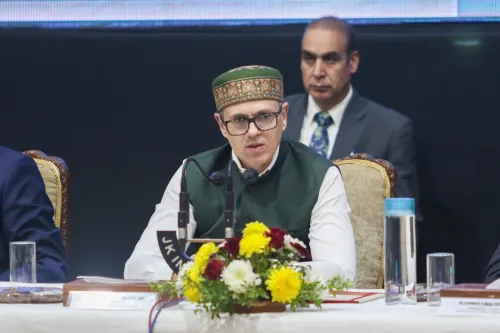
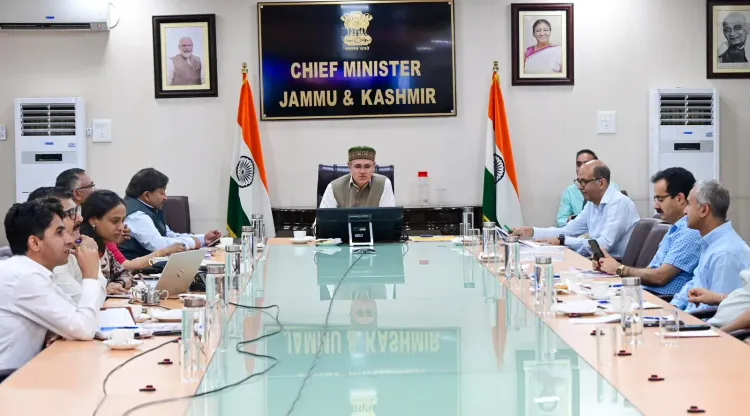
Jammu and Kashmir Chief Minister Omar Abdullah on Tuesday, 30 June 2025, chaired a high-level review meeting in Srinagar to assess preparations for the inaugural International Film Festival of Jammu and Kashmir (IFFJK) 2026, declaring his intent to restore Kashmir's historic role as India's premier destination for cinematic production. The proposed four-day festival, scheduled for September 2026, is being positioned as both a cultural milestone and an economic catalyst for the region.
What the Festival Envisions
The IFFJK-2026 is conceived as a globally recognised cinematic event that showcases J&K's landscapes, cultural heritage, and emerging creative talent. The festival's programming framework — presented by Director Information and Public Relations Shreya Singhal — covers international competition, Indian cinema, documentaries, short films, student films, animation, regional cinema, industry forums, workshops, and cultural programmes. Screenings will be held across multiple venues to create an immersive experience for film-makers, delegates, and audiences.
A dedicated digital ecosystem is also planned, including a festival website and an AI-enabled mobile application to manage film submissions, registrations, accreditation, scheduling, and real-time festival operations.
CM Abdullah's Key Directives
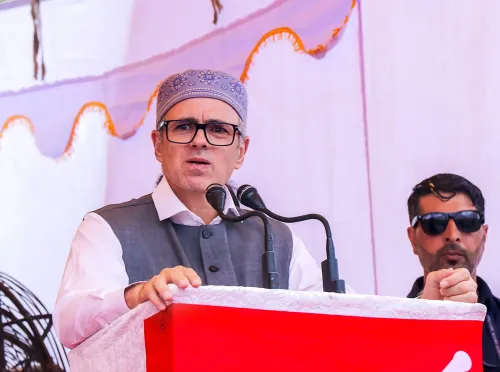
Chief Minister Abdullah stressed that the festival must not be treated as a standalone film event but as a defining cultural and economic platform for J&K, with measurable spillovers into tourism, investment, employment, and the creative economy. He directed organisers to meaningfully integrate local film-makers, writers, directors, actors, cinematographers, technicians, photographers, designers, artisans, and craftsmen into the festival through exhibitions, networking sessions, and business engagements.
Abdullah also called for structured master-class sessions, workshops, panel discussions, and mentoring programmes that connect local talent with national and international industry professionals, providing them global exposure and technical expertise.
Honouring Kashmir's Cinematic Legacy
A special recognition segment is proposed to honour distinguished actors, film-makers, directors, producers, cinematographers, and musicians who have contributed to keeping Kashmir's cinematic legacy alive over the decades. Abdullah said recognising their contribution would celebrate the region's enduring association with Indian cinema and inspire a renewed partnership between the film industry and J&K.
Notably, Kashmir was once synonymous with Bollywood — a preferred backdrop for some of Hindi cinema's most iconic films — before militancy in the early 1990s effectively ended large-scale film production in the valley. The IFFJK is seen as an effort to reclaim that identity.
Broader Economic and Institutional Dimensions
The meeting, attended by Advisor to the Chief Minister Nasir Aslam Wani, Additional Chief Secretary Dheeraj Gupta, Finance ACS Shailendra Kumar, Commissioner Secretary Information R Alice Vaz, representatives of the National Film Development Corporation (NFDC), and senior officers from Tourism and General Administration, also reviewed proposals for technical partnerships with premier film institutions for jury support, curation, and specialised training for local youth.
Plans for an integrated social media campaign and a global promotional strategy were also discussed. Abdullah directed concerned departments to ensure the festival's benefits extend well beyond the film fraternity to local artisans, entrepreneurs, and tourism stakeholders. With September 2026 as the target, all eyes are now on whether J&K can deliver an international-grade festival that resets the narrative around the region's creative economy.
Point of View
Logistics, and talent confidence that took three decades to partially reverse. A single festival, however well-branded, cannot substitute for a sustained policy environment that gives producers certainty. The real test will be whether the festival generates measurable film-shoot bookings and creative-economy jobs in the two years that follow — or whether it remains a well-attended event that leaves the structural gaps intact.
NationPress
29 Sept 2026
Frequently Asked Questions
What is the International Film Festival of Jammu and Kashmir (IFFJK) 2026?
The IFFJK 2026 is the inaugural edition of J&K's international film festival, proposed as a four-day event in September 2026 in Srinagar. It aims to revive Kashmir's historic role in Indian cinema and serve as a cultural and economic platform for the region, featuring international competition, documentaries, short films, workshops, and cultural programmes.
Why is CM Omar Abdullah pushing to revive Kashmir's film production legacy?
Kashmir was once a premier Bollywood filming destination before large-scale production effectively ceased in the early 1990s due to militancy. Abdullah wants to reclaim that identity and channel it into tourism, investment, and employment, framing the film festival as a vehicle for broader economic development in J&K.
When and where will IFFJK 2026 be held?
The festival is scheduled for September 2026 and will feature screenings across multiple venues in Jammu and Kashmir. Exact venue details are yet to be finalised as planning is still at the review stage.
How will local talent benefit from IFFJK 2026?
CM Abdullah has directed organisers to integrate local film-makers, writers, actors, cinematographers, technicians, artisans, and craftsmen into the festival through exhibitions, networking sessions, master-classes, workshops, and mentoring programmes with national and international industry professionals.
Which institutions are involved in planning IFFJK 2026?
The National Film Development Corporation (NFDC) is among the key institutional participants, alongside J&K's Information, Tourism, and General Administration departments. Technical partnerships with premier film institutions for curation, jury support, and youth training are also being explored.