Meghalaya Assembly's anti-uranium mining resolution wins cross-party backing

Synopsis
In a rare show of cross-party unanimity, Meghalaya's Assembly has formally resolved against uranium mining — and the Opposition has backed the ruling government without reservation. The real battle now moves to New Delhi, where the state must press the Centre to honour a stand rooted in tribal rights, environmental concerns, and decades of public resistance.
Key Takeaways
Meghalaya State Assembly unanimously adopted a resolution on 26 August opposing uranium mining and any uranium ore-processing facility in the state.
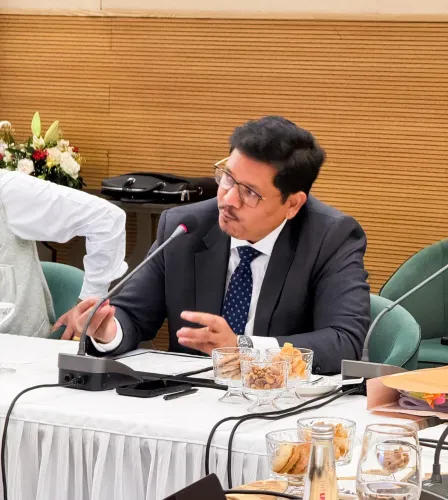
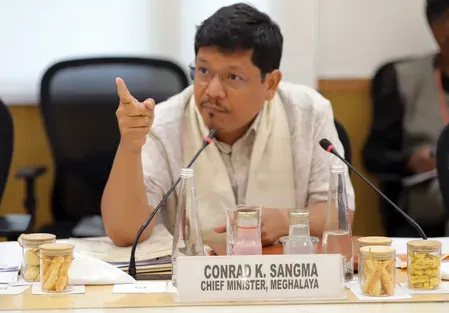
Leader of Opposition Mukul Sangma (Congress) welcomed the resolution, calling it the culmination of a decades-long public movement.
Sangma urged sustained engagement with the Central government to ensure no uranium mining activity is pursued in Meghalaya.
He cautioned against future amendments to Central mining laws that could undermine Sixth Schedule protections for tribal communities.
Sangma cited advances in renewable energy as reducing the need to pursue uranium projects with significant environmental and social risks.
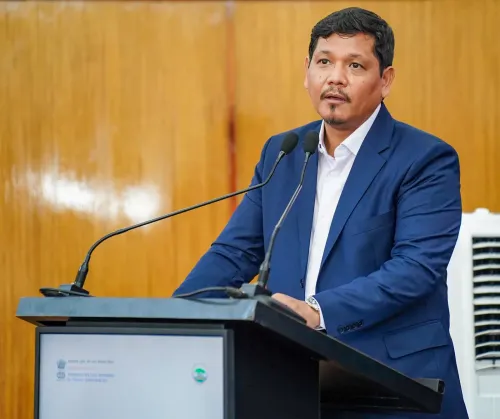
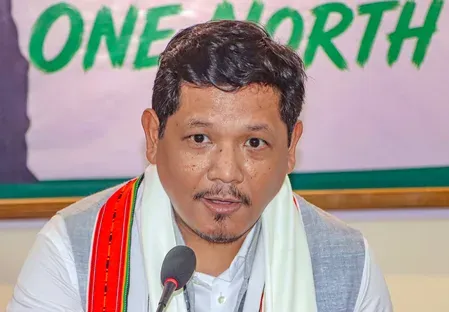
Meghalaya's State Assembly on Wednesday, 26 August unanimously adopted a resolution opposing uranium mining and the establishment of any uranium ore-processing facility in the state — a decision welcomed across party lines, including by Leader of Opposition and Congress leader Mukul Sangma, who called it a reflection of the long-standing collective will of Meghalaya's people.
What the Resolution Establishes
The resolution formally records the State Assembly's opposition to uranium mining and any related ore-processing activity within Meghalaya. Sangma described the move not as a political win for any single party or government, but as the culmination of a decades-long public movement rooted in concerns over health, environment, land rights, and the future of the state's communities.
'The adoption of the resolution must now be followed by continuous engagement with the Union government so that uranium mining or related processing activities are not pursued in the state,' Sangma said after the resolution was adopted.
Cross-Party Unity on a Contentious Issue
Notably, Sangma — as Leader of the Opposition — extended his full support to the ruling government's decision to bring the resolution before the House, underscoring the rare unanimity on an issue that transcends political differences. 'I sincerely thank the government. I have my full support and trust in this decision,' he said.
He stressed that while governments may change over time, Meghalaya's position on uranium mining must remain consistent, given its direct implications for tribal communities and the state's natural resources.
Engagement with the Centre: The Next Step
Sangma called for sustained engagement with the Central government to ensure that no uranium mining or ore-processing activity is pursued in Meghalaya. He also urged the state government to remain vigilant against any future amendments to Central mining laws that could dilute Meghalaya's unique customary landholding system or override the constitutional protections afforded to its tribal communities under the Sixth Schedule of the Constitution.
This is particularly significant given that uranium deposits have been identified in parts of Meghalaya, and the Atomic Minerals Directorate has historically explored the region — making legislative pushback a critical counterweight to federal mining interests.
Renewable Energy and the Shifting Calculus
Sangma also pointed to rapid advances in technology and the growing availability of renewable and alternative energy sources as factors that have reduced the strategic necessity of pursuing uranium mining projects that carry significant environmental and social risks. Critics of uranium mining in the region have long argued that the economic benefits do not justify the ecological costs, particularly in a biodiversity-rich state with a predominantly tribal population.
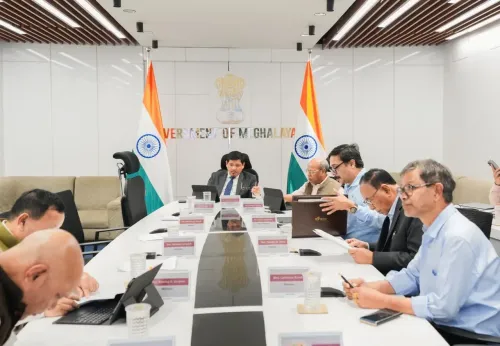
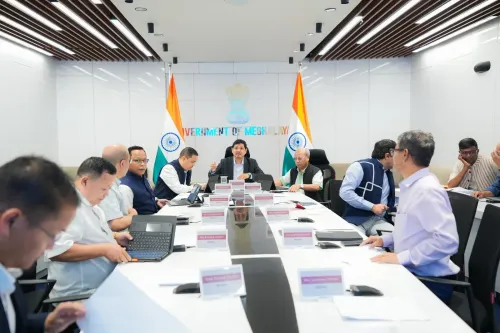
The resolution now sets the stage for a formal dialogue between the Meghalaya government and New Delhi, with the Assembly's unanimous stand providing significant moral and legislative weight to the state's position.
Point of View
But unanimity in a state assembly is only the opening move — not the endgame. Uranium exploration in Meghalaya is driven by the Atomic Minerals Directorate, a Central body operating under national energy security imperatives that a state resolution cannot legally override. The real test is whether Meghalaya's government converts this legislative consensus into sustained, legally grounded pressure on New Delhi. Sangma's warning about future amendments to Central mining laws is the sharpest observation in the room: a single regulatory change at the Centre could render the resolution symbolic. The Sixth Schedule protections are robust but not invulnerable to legislative erosion, and Meghalaya's tribal communities have seen that play out before.
NationPress
26 Aug 2026
Frequently Asked Questions
What did the Meghalaya Assembly resolve regarding uranium mining?
The Meghalaya State Assembly unanimously adopted a resolution on 26 August formally opposing uranium mining and the establishment of any uranium ore-processing facility within the state. The resolution reflects decades of public resistance to uranium exploration in the region.
Why did Opposition leader Mukul Sangma support the resolution?
Mukul Sangma backed the resolution because he views uranium mining as an issue that transcends party politics, directly affecting the health, environment, land rights, and future of Meghalaya's people — particularly its tribal communities. He described it as the culmination of a long-standing collective movement, not a political victory for any one party.
What is the significance of the Sixth Schedule in this context?
The Sixth Schedule of the Indian Constitution provides special protections for tribal communities in states like Meghalaya, including rights over customary land and local governance. Sangma urged the state government to guard against any Central mining law amendments that could dilute these protections.
What happens next after the resolution is adopted?
Sangma has called for continuous engagement with the Central government to ensure no uranium mining or related processing activities are pursued in Meghalaya. The state government is expected to formally communicate the Assembly's position to New Delhi.
Why is uranium mining a concern in Meghalaya?
Uranium deposits have been identified in parts of Meghalaya, drawing interest from Central exploration agencies. Critics argue that mining poses significant environmental and social risks to a biodiversity-rich, predominantly tribal state — risks that Sangma and others say outweigh any strategic or economic benefits, especially given the growing availability of renewable energy alternatives.