PM SHRI scheme: 13,092 schools revamped, 20 lakh students to benefit
Synopsis
The PM SHRI scheme has crossed a key milestone — 13,092 schools selected, 90% of its total target — with the Central government's annual outlay more than doubling in just three years. With ₹27,360 crore committed and 20 lakh students in its sights, this is India's largest structured attempt to operationalise NEP 2020 at the school level.
Key Takeaways
13,092 schools selected as PM SHRI Schools across India as of July 2026 , covering 90% of the scheme's total target.
The initiative is expected to directly benefit more than 20 lakh students through upgraded infrastructure and modern teaching practices.
Total project outlay is ₹27,360 crore for five years ( 2022-23 to 2026-27 ), with the Central share at ₹18,128 crore .
Central PAB outlay has grown by 107% — from ₹2,520 crore in 2023-24 to ₹5,224 crore in 2026-27.
Selected schools include institutions under KVS , NVS , and NCERT , intended to serve as model schools under NEP 2020 .
The scheme, launched on 7 September 2022 , completed four years in 2026.
More than 13,000 schools across India are being upgraded under the Pradhan Mantri Schools for Rising India (PM SHRI) Scheme, with the government expecting the initiative to directly benefit over 20 lakh students through improved infrastructure, learning facilities, and modernised educational practices, according to an official government statement released on 15 September 2026.
Scale and Progress So Far
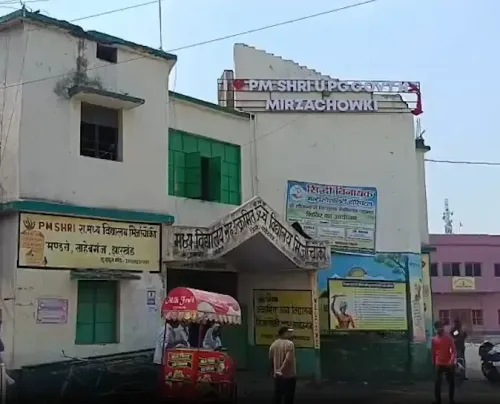
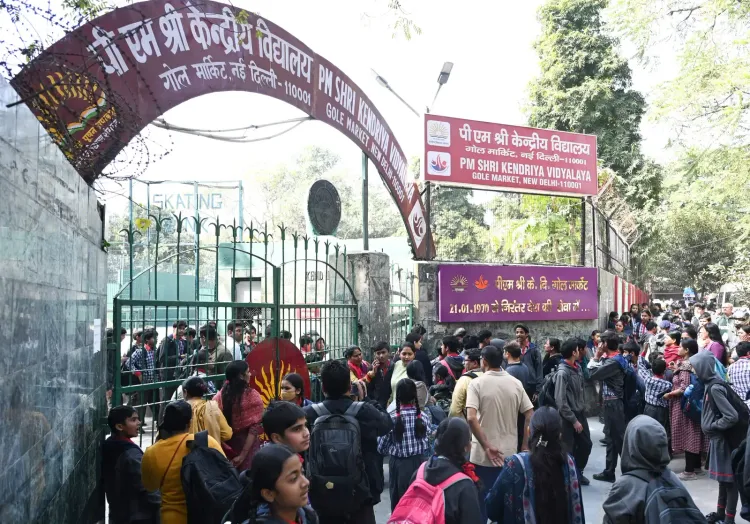
According to government data, 13,092 schools had been selected as PM SHRI Schools across states and Union Territories as of July 2026. This accounts for approximately 90 per cent of the total target envisaged under the scheme, which aims to develop more than 14,500 existing schools into exemplar institutions aligned with the National Education Policy (NEP) 2020.
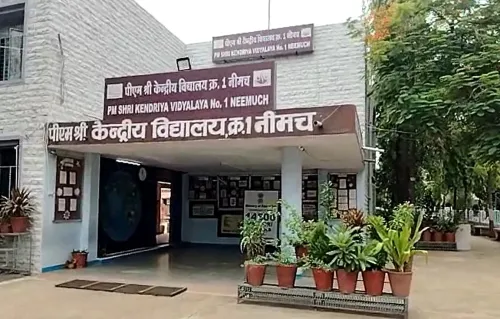
The selected institutions include schools under the Kendriya Vidyalaya Sangathan (KVS), Navodaya Vidyalaya Samiti (NVS), and the National Council of Educational Research and Training (NCERT), among others.
Financial Outlay and Rising Investment
The scheme carries a total project cost of ₹27,360 crore, spread over five years from 2022-23 to 2026-27. Of this, the Central government's share stands at ₹18,128 crore. Notably, the Central share of the approved Project Approval Board (PAB) outlay has risen sharply — from ₹2,520 crore in 2023-24 to ₹5,224 crore in 2026-27, a jump of around 107 per cent, reflecting the programme's accelerating pace of implementation.
What the Scheme Aims to Change
Launched on 7 September 2022, the PM SHRI Scheme focuses on strengthening school infrastructure, upgrading pedagogy, promoting inclusion and sustainability, and equipping students with skills suited to 21st-century demands. The scheme completed four years in 2026. PM SHRI schools are designed to serve as model institutions — demonstrating how NEP 2020's principles can be implemented effectively — and are intended to set a benchmark that other schools across the country can follow.
Officials noted that India's education system currently comprises 14.71 lakh schools serving more than 24.69 crore students. 'India is witnessing a significant transformation in its school education system, marked by a growing emphasis on quality, equity, inclusion, and future-ready learning,' officials said, adding that the focus is increasingly on enhancing learning outcomes and supporting holistic development.
What Students Can Expect
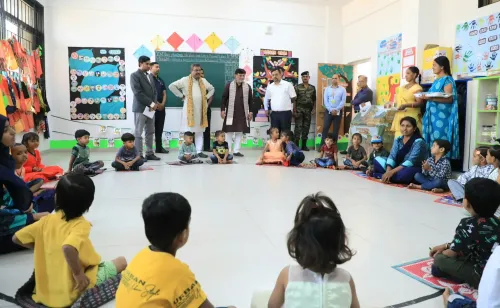
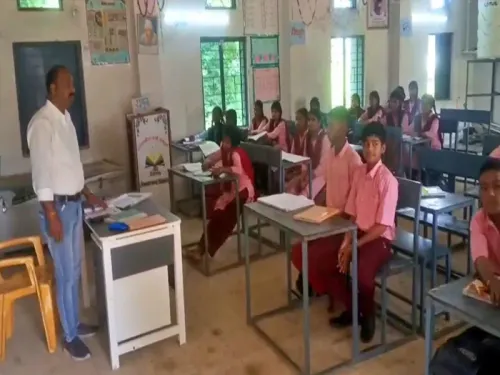
The selected PM SHRI schools are envisioned to provide students with safe, stimulating, and welcoming learning environments. The initiative also seeks to ensure access to quality infrastructure, appropriate learning resources, and diverse educational experiences that contribute to students' overall development — academic, physical, and creative.
What Comes Next
With the scheme running until 2026-27, the government is expected to bring the remaining 10 per cent of target schools into the fold in the current fiscal year. The rising PAB outlay signals that the final phase will see the highest single-year spending since the programme's launch, and implementation quality at the ground level will be the critical metric to watch.
Point of View
Not just headline repetition. But the PM SHRI scheme's real test is qualitative: selecting 13,092 schools is an administrative achievement; turning them into functioning exemplar institutions is an altogether harder task. India's education system has a long history of infrastructure schemes that improved buildings without meaningfully shifting learning outcomes. Unless third-party learning assessments are built into PM SHRI's accountability framework, the ₹27,360 crore investment risks being measured by square footage rather than student achievement.
NationPress
15 Sept 2026
Frequently Asked Questions
What is the PM SHRI scheme?
The Pradhan Mantri Schools for Rising India (PM SHRI) scheme is a Central government initiative launched on 7 September 2022, aimed at developing more than 14,500 existing schools into model institutions aligned with the National Education Policy (NEP) 2020. It has a total outlay of ₹27,360 crore over five years from 2022-23 to 2026-27.
How many schools have been selected under PM SHRI so far?
As of July 2026, 13,092 schools have been selected as PM SHRI Schools across states and Union Territories, representing approximately 90 per cent of the scheme's total target of more than 14,500 schools.
How many students will benefit from the PM SHRI scheme?
The government expects the PM SHRI initiative to directly benefit more than 20 lakh students through improved infrastructure, upgraded learning facilities, and modernised educational practices across the selected schools.
What is the funding breakdown for the PM SHRI scheme?
The total project cost is ₹27,360 crore, of which the Central government's share is ₹18,128 crore. The Central annual outlay has risen sharply — from ₹2,520 crore in 2023-24 to ₹5,224 crore in 2026-27, an increase of around 107 per cent.
Which types of schools are included in the PM SHRI scheme?
The selected PM SHRI schools include institutions under the Kendriya Vidyalaya Sangathan (KVS), Navodaya Vidyalaya Samiti (NVS), and the National Council of Educational Research and Training (NCERT), alongside state government schools across India.